
Culture
09:21, 27-Apr-2018
14th China International Cartoon and Animation Festival kicks off in Hangzhou
 ["china"]
Share







Copied
02:31
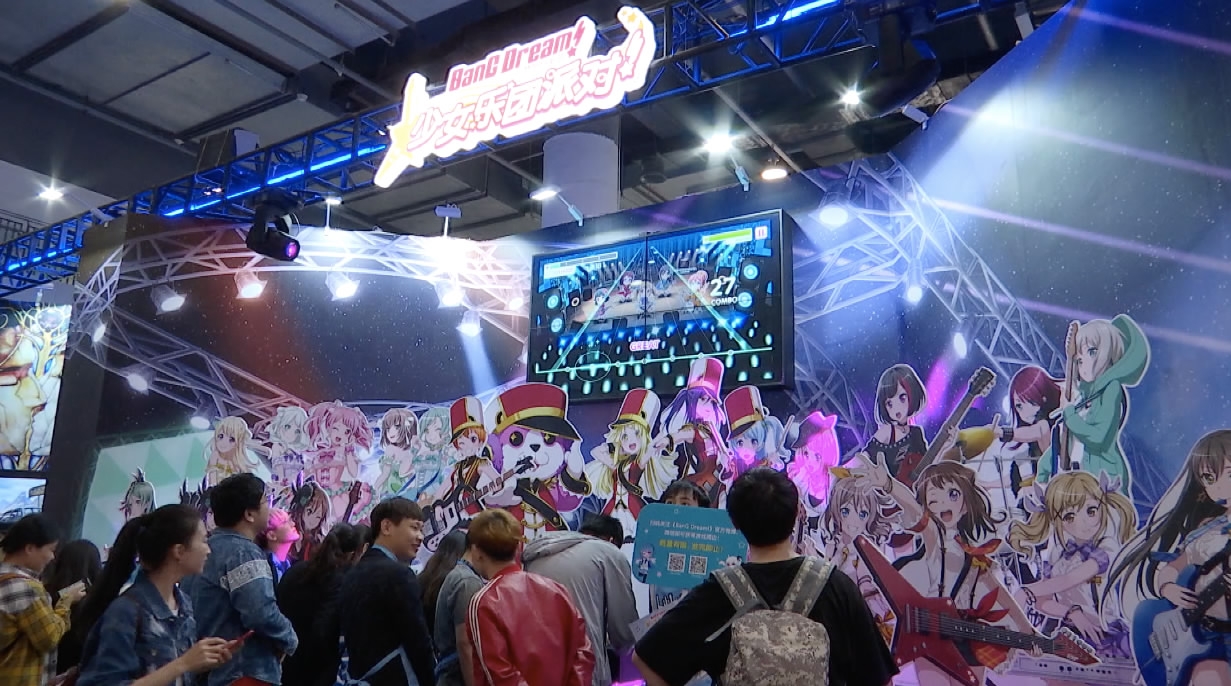
China’s animation industry has long faced intense competition from foreign competitors. At the 14th China International Cartoon and Animation Festival (CICAF), which kicked off Thursday in the eastern city of Hangzhou, some industry experts say technique and storytelling could be the secrets to success.
This year’s CICAF features an entire pavilion full of Chinese animators, including big names like Fantawild, Bilibili and Tencent. Ma Aofan, an anime enthusiast at the festival told CGTN that she is a big fan of “Dahufa” and “Big Fish and Begonia,” both produced by domestic animators.
Ma said, “I majored in animation production in college, and I think there have been some improvements in terms of the quality of production by Chinese animators. Movies like 'Dahufa' and 'Big fish and Begonia' have very good content, special effects and color rendering."
Last year, fantasy film "Dahufa" – which combines Japanese animation style with Chinese ink-painting techniques – generated 13 million US dollars at the box office. However, experts say that this particular success doesn’t mean Chinese animation has caught up to its international rivals.
Han Xiaofei, operations director of Shanghai Huanma Culture Media, said, “High-quality works are still just the tip of the iceberg. The average production level is nowhere near Hollywood or Pixar. Especially in the area of computer animation, we are still at the stage of learning foreign techniques and borrowing their software programs.”
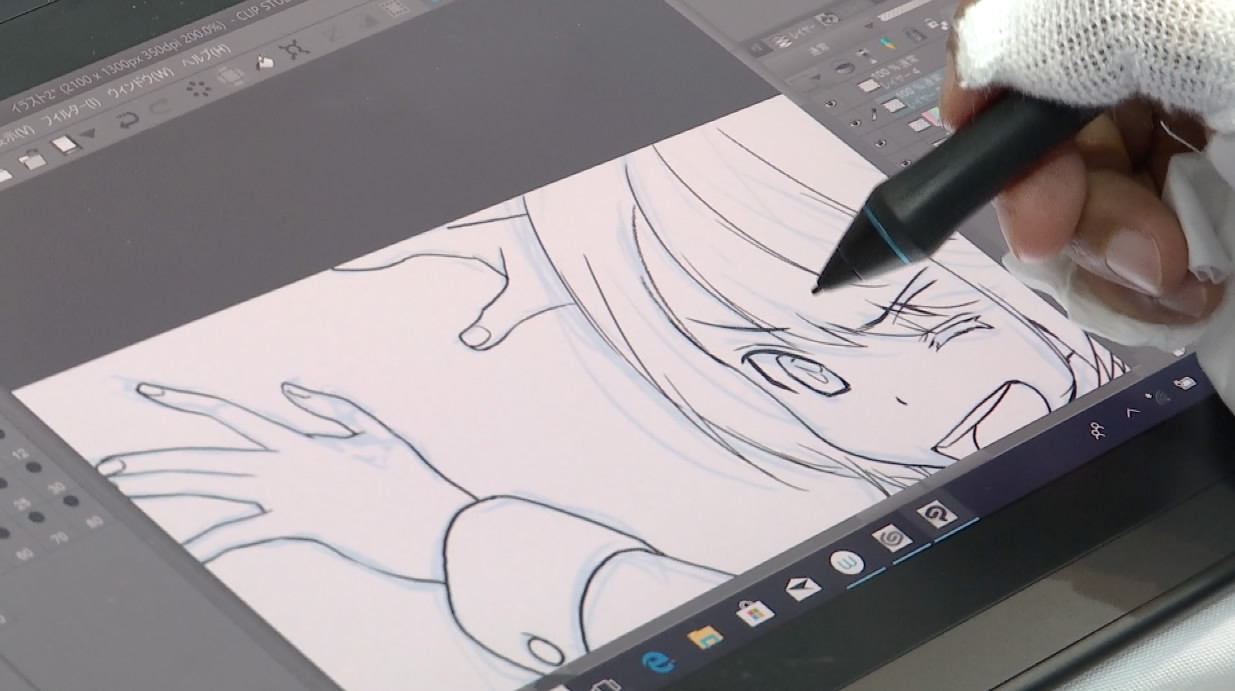
Japanese animator drawing a draft at the festival /CGTN Photo
Japanese animator drawing a draft at the festival /CGTN Photo
In his opinion, the technique shortage has to do with a lack of talent. In addition, the development of animation has been much shorter in China than in many western countries.
While technique seems to be the key factor in cartoon production, storytelling appears to be another area that is lagging behind.
Jon Rennie, managing director of a Welsh studio named Cloth Cat Animation, told CGTN that technique is not the problem. “I don’t think it’s just technique. What I’ve been most impressed by here is the quality of the animation visuals. There is no lack of talent here for creative visuals. What it actually comes down to is a story, a plot, a character.”
From his perspective, most Chinese animations are too plot-driven, based on actions or mythologies that don’t really relate to audiences outside China. He says there needs to be more character-building. He gave "The Monkey King" as an example.
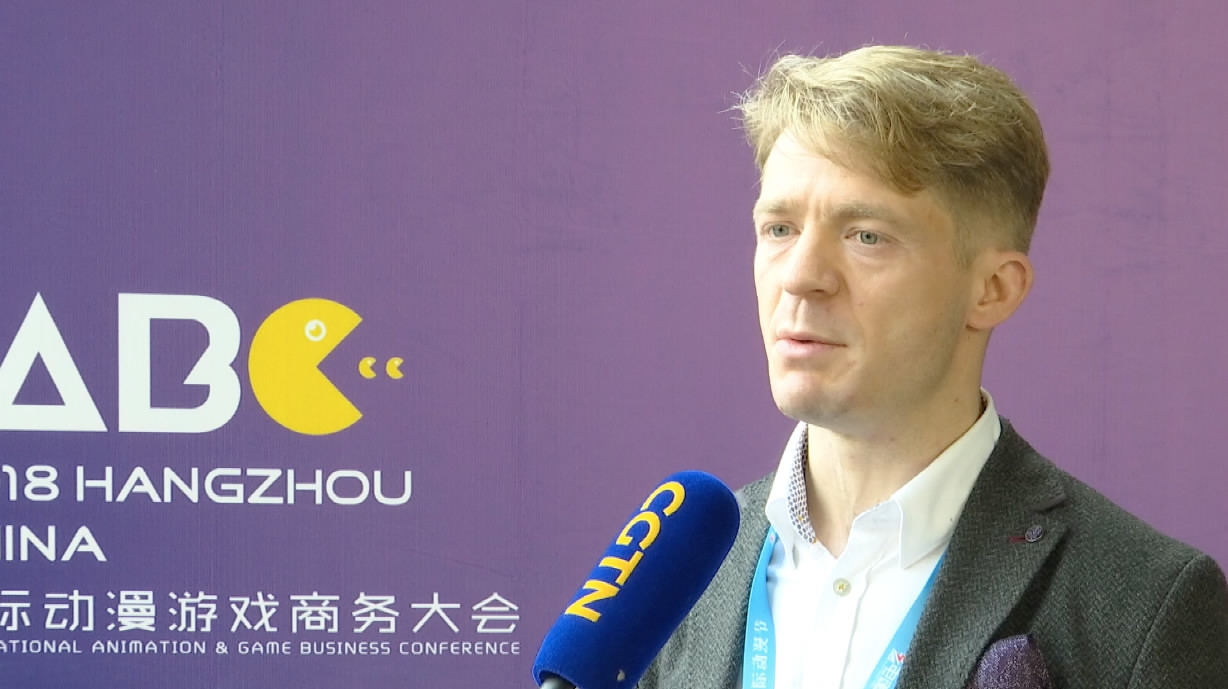
Jon Rennie, managing director of a Welsh animation studio /CGTN Photo
Jon Rennie, managing director of a Welsh animation studio /CGTN Photo
“A hero goes on a journey, faces adversaries, overcomes his inner conflict, and eventually saves the day and defeats the monster. It’s those kinds of easy visuals that really make a difference. In the end, you need to find what resonates with everybody and make that character relatable, believable.”
According to a recent report, Chinese animation now reaches an audience of 230 million. That means one out of every seven people in China is a fan of cartoons and anime. To meet that demand, experts say the domestic industry needs to step up its production, learn from rivals, and come up with better quality products.