
World
16:35, 16-Jul-2018
Reporter's diary: Surge in migrant arrivals in Spain raises alarm
Updated
16:03, 19-Jul-2018
 ["europe"]
Share







Copied
02:25
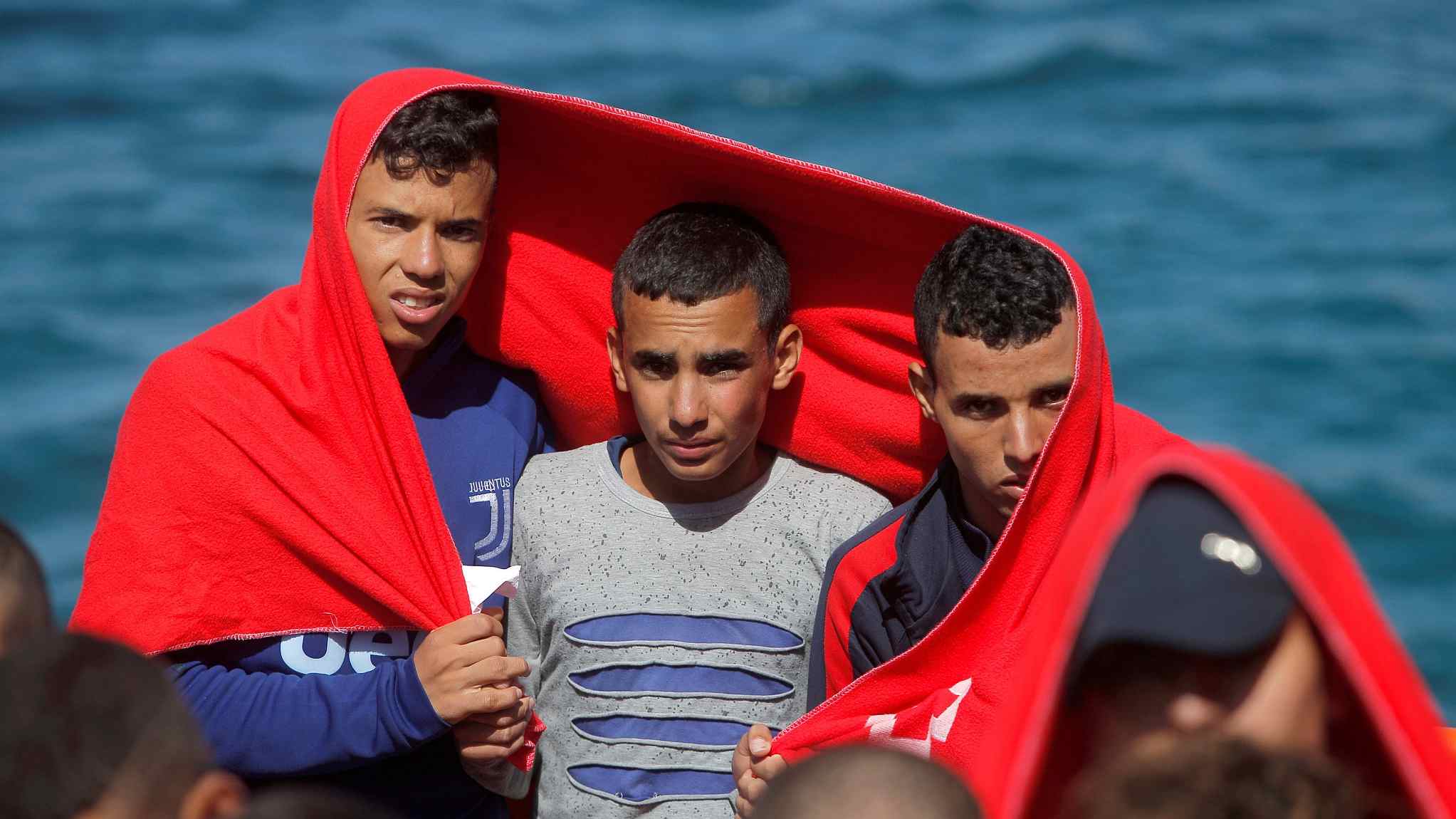
It's in towns like Tarifa, on the southern coast of Spain, just 14 kilometers from Africa, that the impact of the surge of irregular African migrants into the country this year is seen in sharp focus.
On June 23, a lazy summer day in this town that was popular with surfers, news broke that more than 600 migrants rescued at sea were heading for Tarifa port.
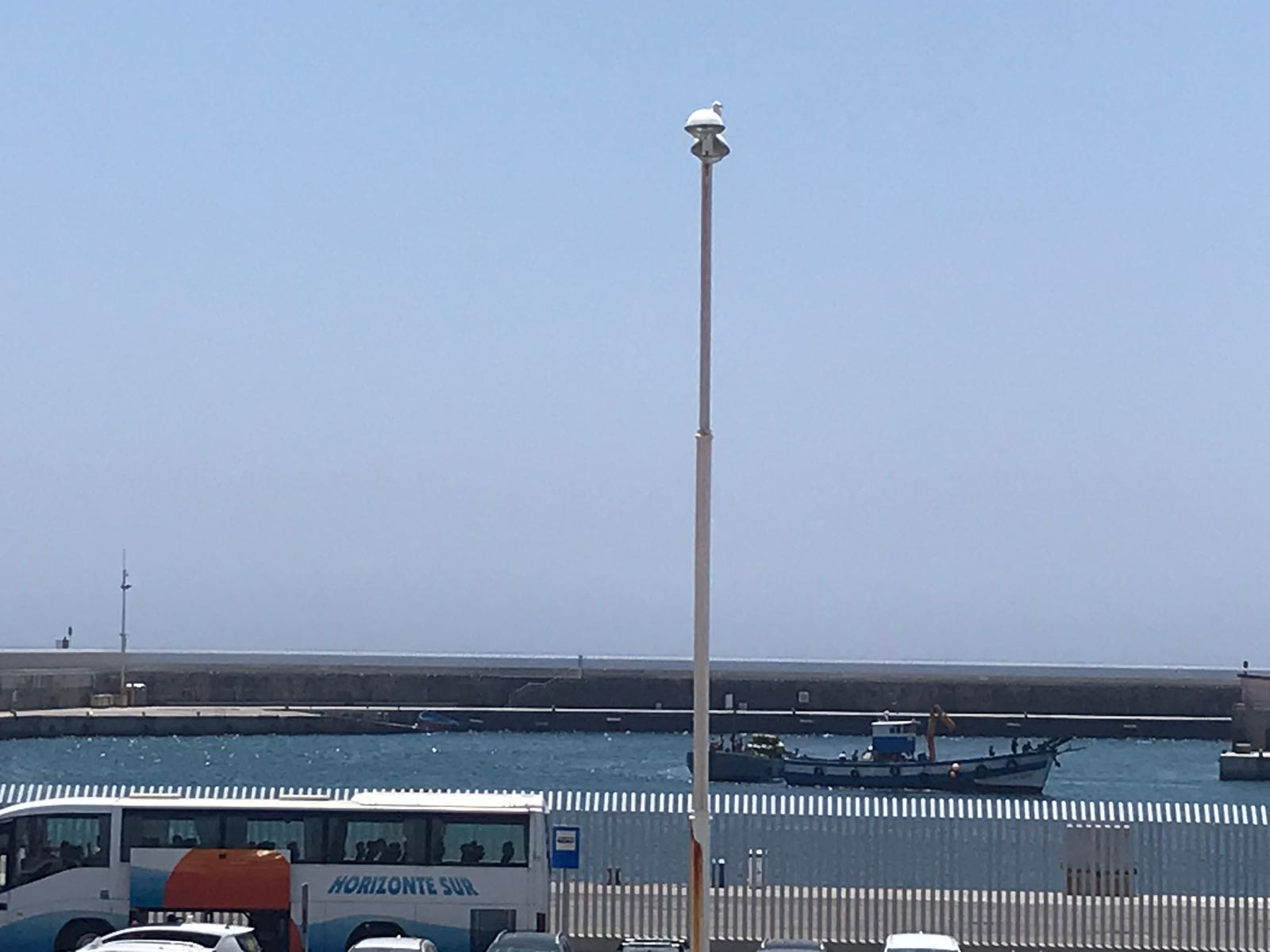
The Tarifa pier where migrants arrive and are rescued at sea. /CGTN Photo
The Tarifa pier where migrants arrive and are rescued at sea. /CGTN Photo
Paqui Hidalgo, town councilor for social affairs, said she organized over 100 volunteers to help the migrants one night.
The town hall offered its sports complex for temporary emergency accommodation.
Hidalgo told CGTN that Tarifa previously used the sports center for past migrant influxes, but added, "It’s not the best place for these people when they arrive."
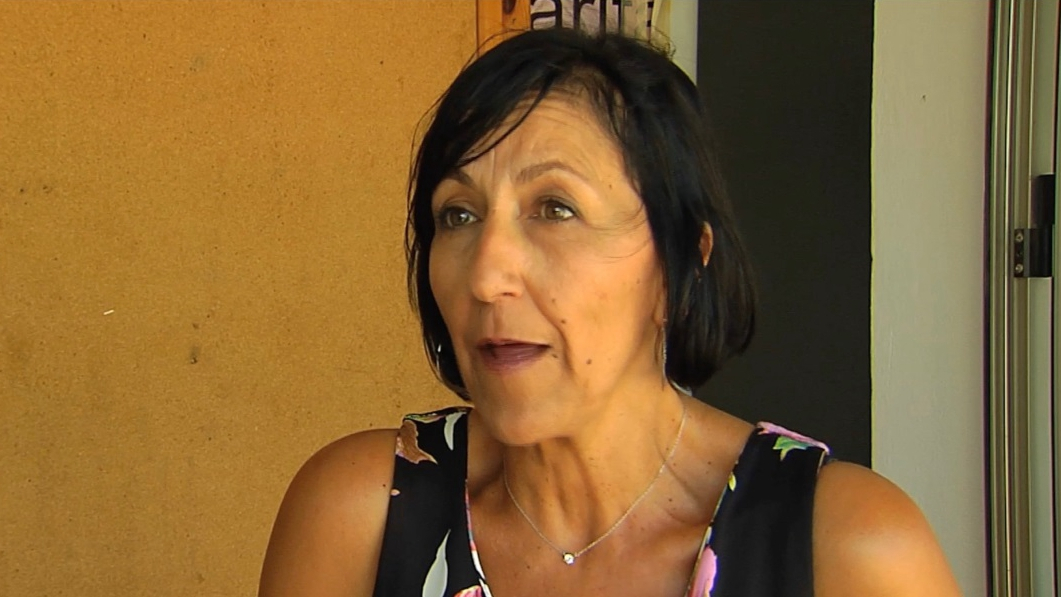
Paqui Hidalgo, town councilor for social affairs. /CGTN Photo
Paqui Hidalgo, town councilor for social affairs. /CGTN Photo
The migrants, mainly from sub-Saharan Africa, were crowded into the facility where showers were not readily available. Police cars are parked outside, guarding the venue.
Although the Spanish government provided food packets, a volunteer coordinator, who identified herself as Lola, said the portions were basic. As a result, the city hall paid for additional sandwiches for a while, and when that stopped, Lola said many volunteers donated their own money to help buy more food for the migrants.
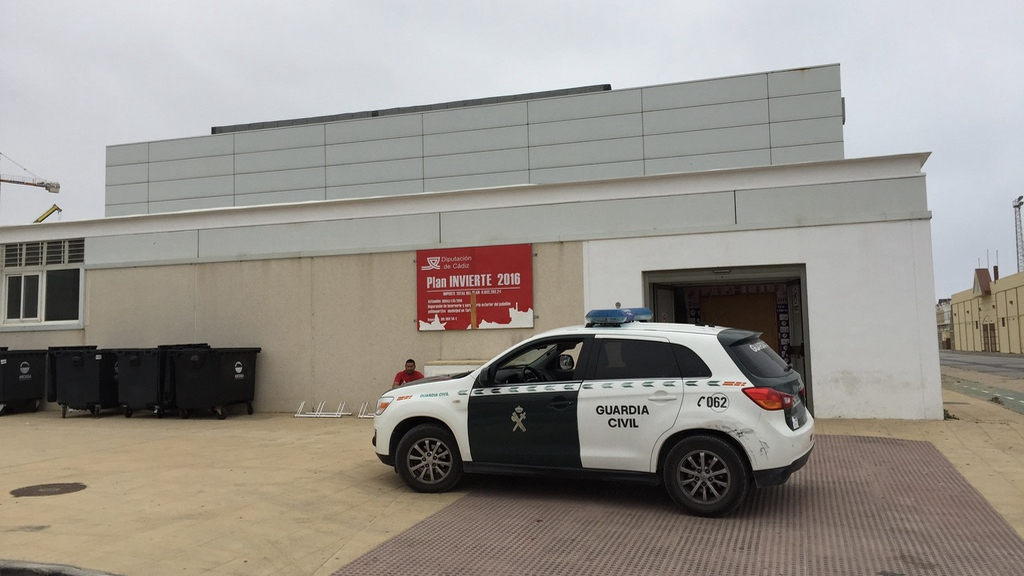
Tarifa town sports center, with migrants inside and police cars outside. /CGTN Photo
Tarifa town sports center, with migrants inside and police cars outside. /CGTN Photo
The Spanish government reports that 17,320 irregular migrants arrived through June 30th of this year, up 81 percent from the same period last year.
Other estimates put the number higher. The Madrid office of the United Nations refugee agency (UNHCR) said its figures showed that up to 18,725 crossed to Spain in June. Spain has outpaced the 16,740 migrants who arrived in Italy and the 13,750 others who reached Greece in the same period.
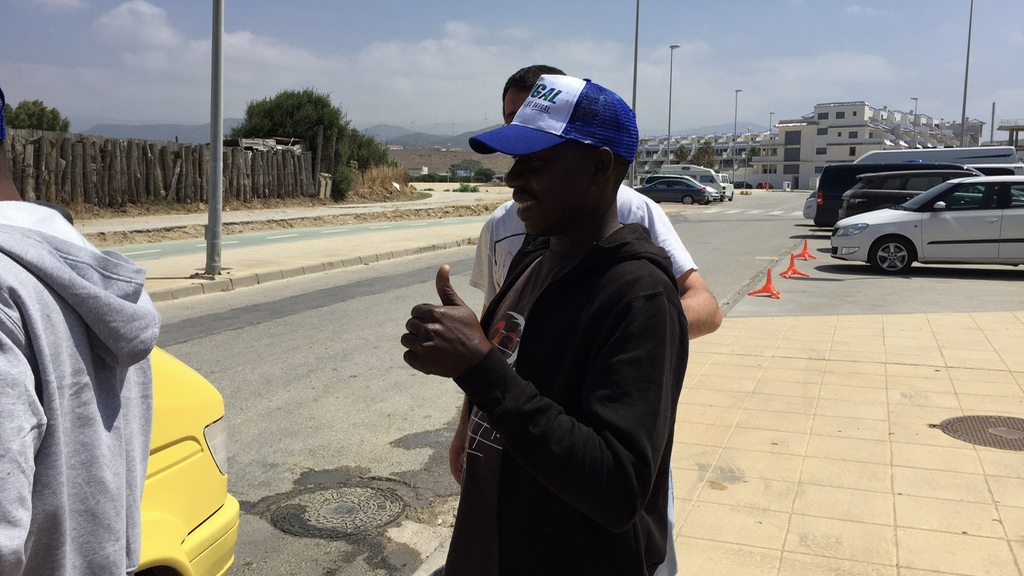
A migrant leaves Tarifa sports center on his way to nearby charity lodging. /CGTN Photo
A migrant leaves Tarifa sports center on his way to nearby charity lodging. /CGTN Photo
In Spain, the renewed surge of migrants prompted fresh calls for a more efficient and better organized response. Activists called for the establishment of a temporary accommodation center to house the migrants.
The Spanish Interior Ministry said it is considering such a facility for the southern coastal area around Tarifa, where other towns, like Barbate, also had to turn their sports centers into temporary migrant accommodation sites.
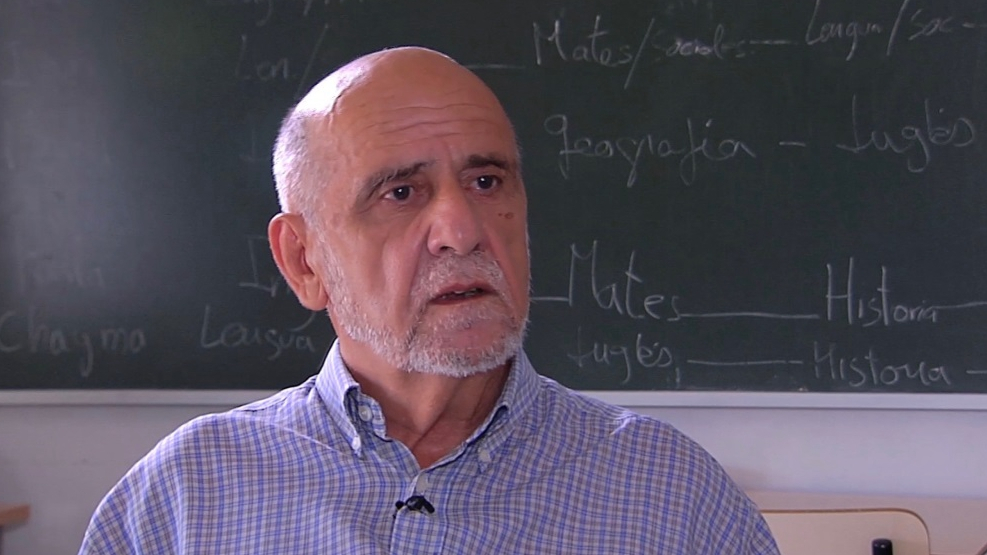
Gabriel Hidalgo is a Roman Catholic priest in Cadiz. /CGTN Photo
Gabriel Hidalgo is a Roman Catholic priest in Cadiz. /CGTN Photo
Just up the coast in the historic provincial capital of Cadiz, Gabriel Delgado, a Roman Catholic priest who’s been helping migrants for decades, said the latest surge of migrants seeking a better life in Europe is far less than the peak years of 2014 to 2016, when hundreds of thousands of migrants were arriving to Greek and Italian Spanish coasts.
But he said the authorities on the southern coast should be better prepared and more attentive in the same way that other towns in the country are.
Last month, 629 migrants arrived in the eastern port of Valencia aboard the charity-run Aquarius ship and two Italian vessels, after they were denied entry to Italy and Malta. The priest pointed out that more than 2,000 aid workers, translators, medical personnel and lawyers, in addition to police, were on hand to receive them there.
(Top photo: Migrants wait on a rescue boat to disembark after arriving at the port of Tarifa, southern Spain, July 15, 2018. /VCG Photo)