
Politics
16:24, 05-Oct-2018
What's behind the US blame game?
Updated
15:30, 08-Oct-2018
 ["china"]
Share






Copied
04:07
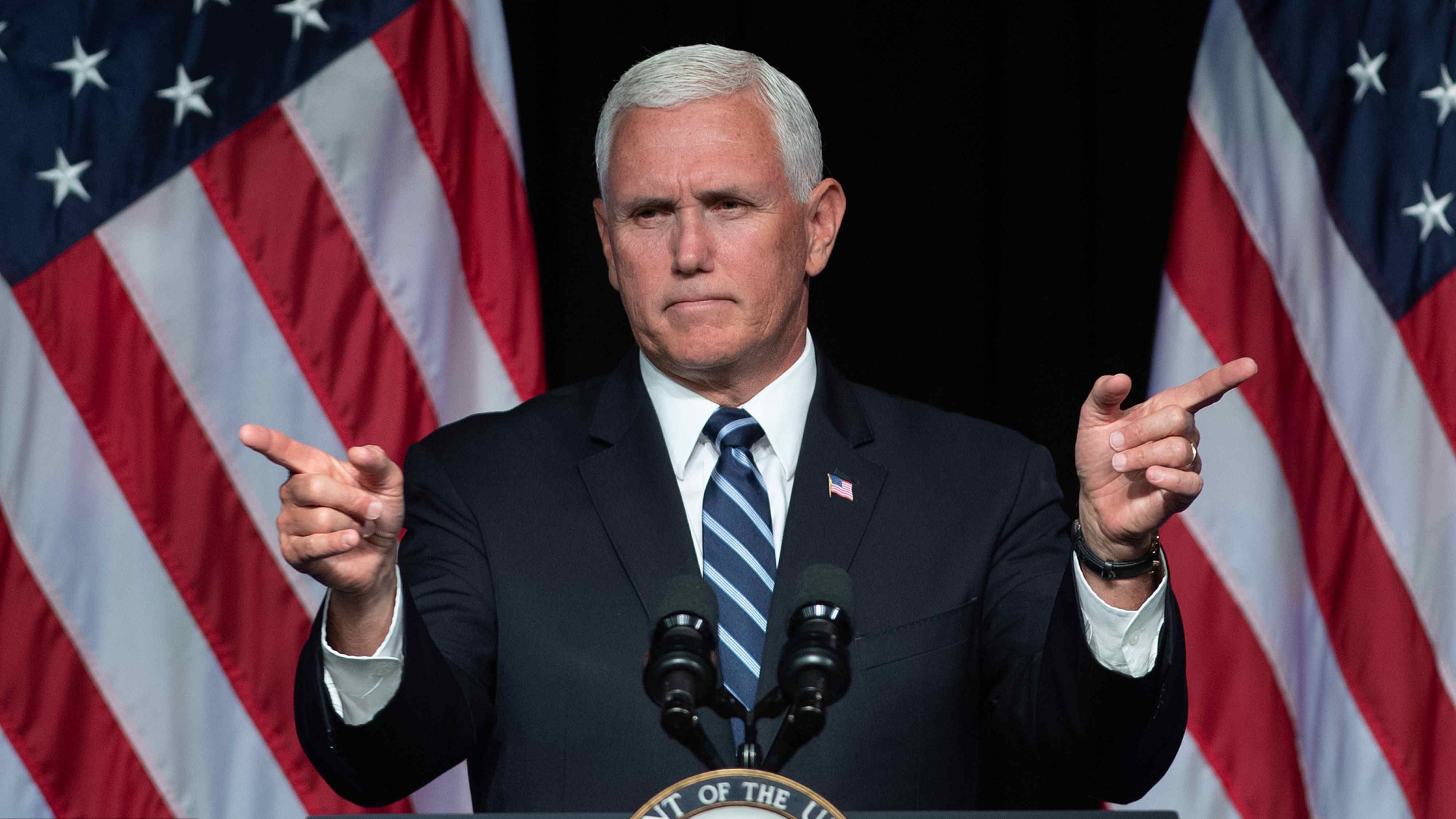
The US vice president's statements have once again escalated tensions between the world's two biggest economies. But what's striking here is the timing of Mike Pence's address.
The show trial of Trump's Supreme Court nominee has deeply divided American society. US President Donald Trump is under fire for handing out a clean chit to Judge Brett Kavanaugh and for openly mocking his accuser, Christine Blasey Ford.
With mid-term elections due in November, Trump's decision to support Kavanaugh may not go down well with women voters.
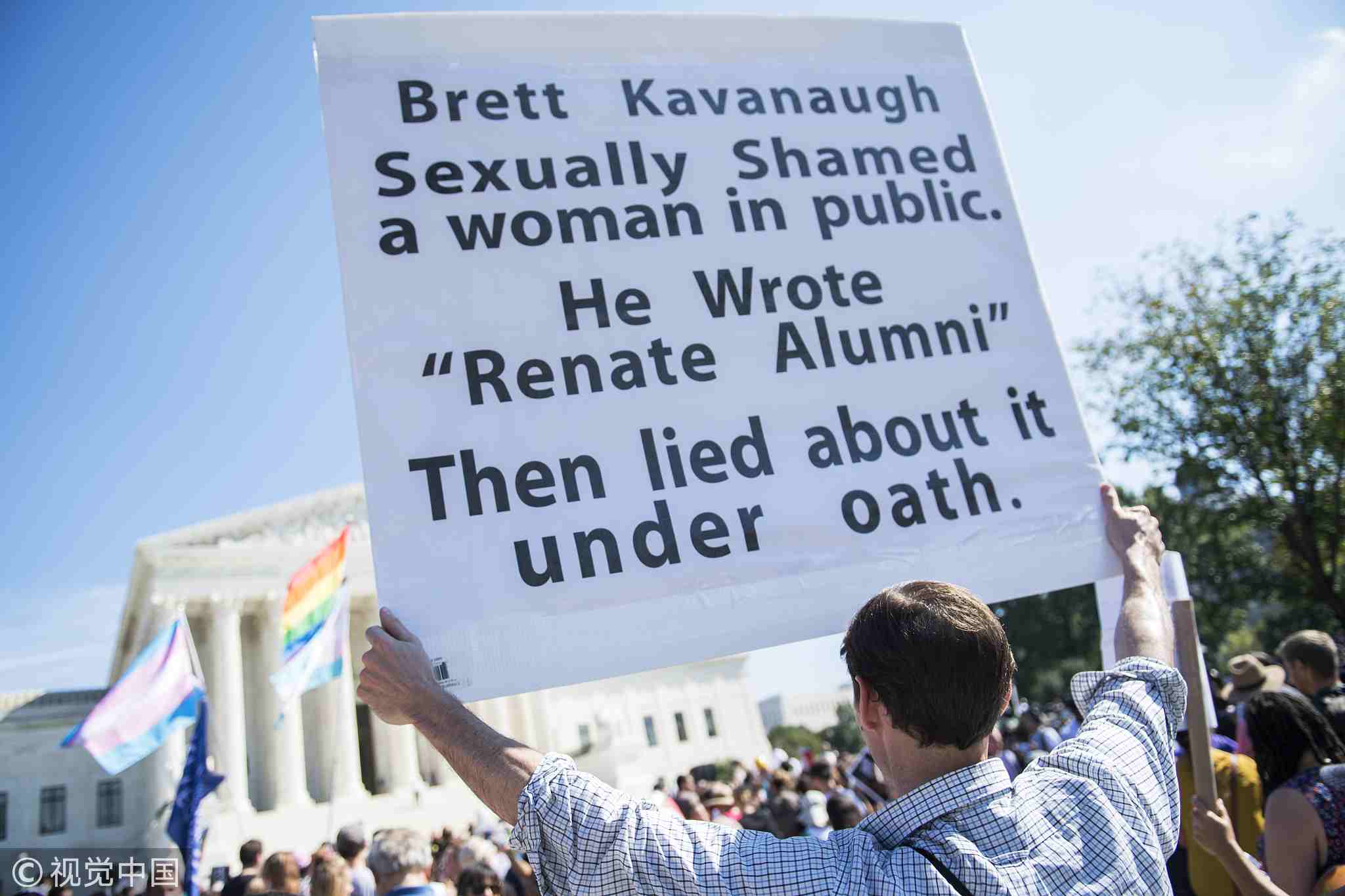
Protesters opposed to Supreme Court nominee Brett Kavanaugh rally at the Supreme Court after a march on October 4, 2018. /VCG Photo
Protesters opposed to Supreme Court nominee Brett Kavanaugh rally at the Supreme Court after a march on October 4, 2018. /VCG Photo
In yet another blow to the US president, a New York Times article on Wednesday, accused him of indulging in dubious tax schemes and frauds. Cornered from all sides domestically, the Trump administration turned to its favorite scapegoat: the "China threat."
On September 5, an anonymous White House official wrote a damning letter in the New York Times. The piece questioned Trump's leadership style, calling it "adversarial, petty and ineffective."
The article was published days after excerpts from senior US journalist Bob Woodward's book "Trump: Fear in the White House" were released. The book allegedly quoted senior Trump officials, highlighting the chaos inside the president's office.
Forty-eight hours later, on September 7, Trump again played the China card. He threatened to impose additional tariffs on 267 billion US dollars' worth of imports from China. Therefore, every time the US president faces scrutiny at home, China becomes his best diversionary tactic.
This strategy is not Trump's creation. Many US presidents in the past have tried to play the tried-and-tested "foreign threat" game.
In the early 1980s, America's so-called Rust Belt was in deep trouble. Factory workers were being laid off due to a slowdown in the US manufacturing sector. Japanese autos were performing well and were squarely blamed for domestic problems.
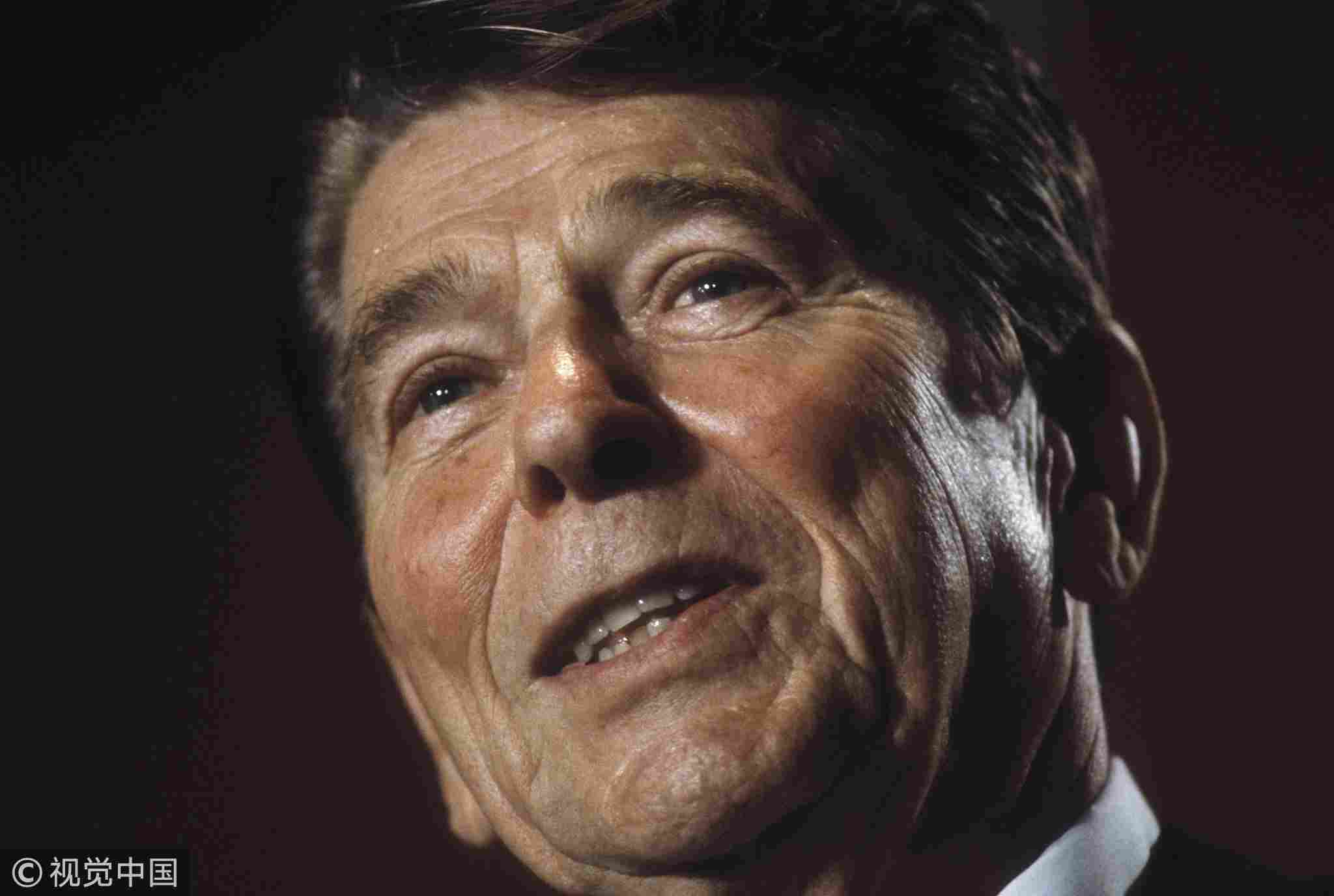
Former US President Ronald Reagan gives a speech at the UN during a general assembly special session on disarmament, New York City, NY, June 1982. /VCG Photo
Former US President Ronald Reagan gives a speech at the UN during a general assembly special session on disarmament, New York City, NY, June 1982. /VCG Photo
US President Ronald Reagan started a trade war with Japan, putting restrictions on its auto, steel and machine industries.
US President Bill Clinton was accused of beginning the 78-day war in Kosovo to divert the attention of the American people from the Monica Lewinsky scandal in 1999.
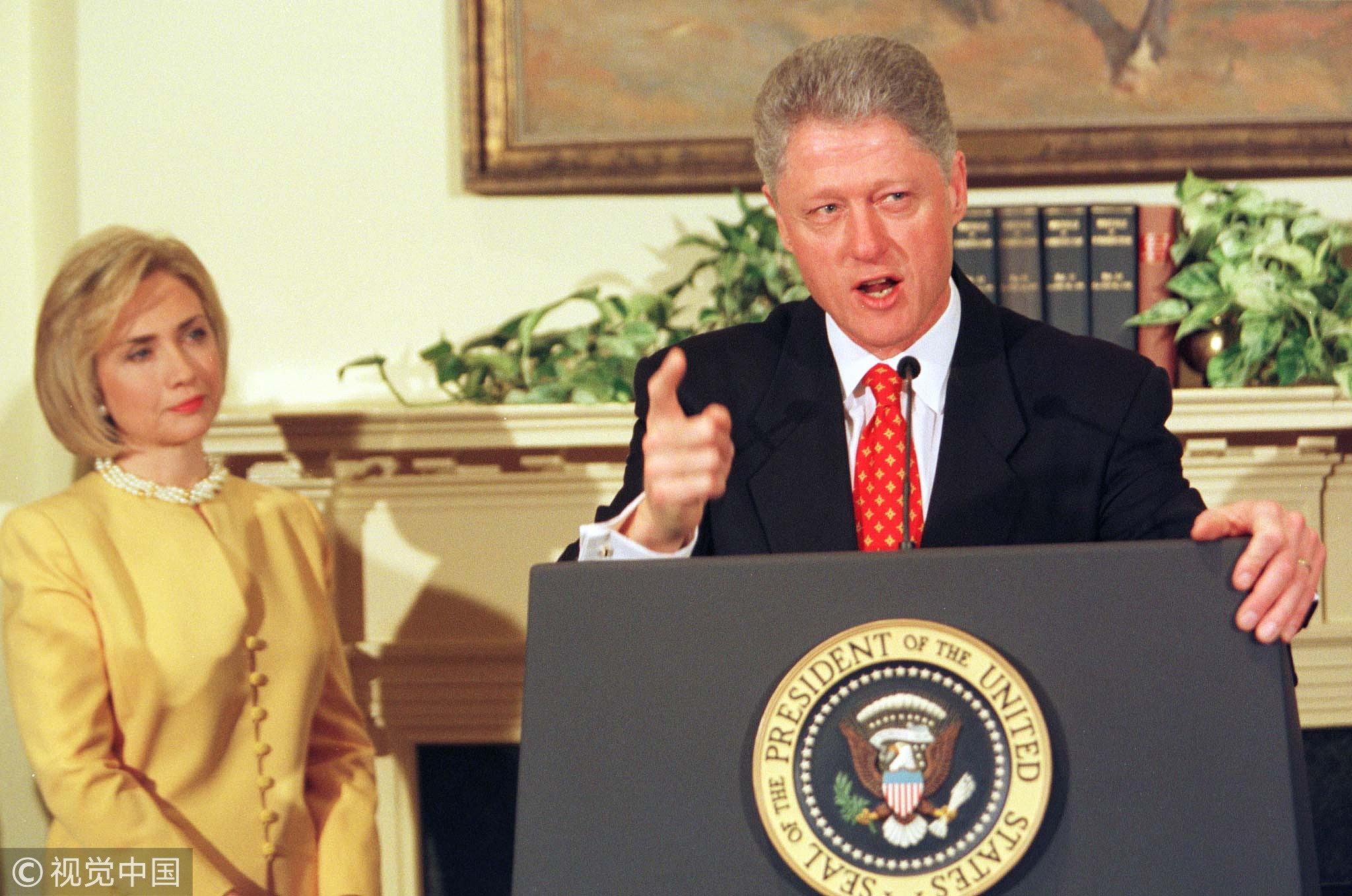
US President Bill Clinton delivers his strongest public denial of allegations that he had an affair with former intern Monica Lewinsky, during a news conference at the White House on January 26, 1998. /VCG Photo
US President Bill Clinton delivers his strongest public denial of allegations that he had an affair with former intern Monica Lewinsky, during a news conference at the White House on January 26, 1998. /VCG Photo
George W. Bush went to war in Iraq, using stories of "weapons of mass destruction" possessed by Saddam Hussein's Iraq. Hussein was toppled and subsequently executed. Not a single weapon of mass destruction was ever found in 2003.
Many believe that the real reasons of war were oil, and a threat to the dollar's dominance. In late 2000, Hussein had switched pricing of the country's oil to euros.
Experts say, if other oil-producing countries had followed Hussein's move to the euro, the consequences for the US could have been huge. Therefore, wars began.
The US strategy isn't aimed at adversaries alone.
According to a recent report in The Guardian, millions of dollars have been raised from anonymous US donors, to support British right-wing think tanks that are among the strongest proponents of Brexit.
These groups back free trade deals with reduced regulation, a scenario which is likely to benefit big American businesses, who have opposed the EU's tighter trade regulations.
The US game plan is clear. It identifies the target, initiatives an overt or covert operation, and then selects a global villain and changes the national and international narrative to distract its own public from real issues.