
Business
15:04, 13-Jun-2018
Both eyes on the ball: Market trading set to slump during World Cup
 ["europe","north america"]
Share







Copied
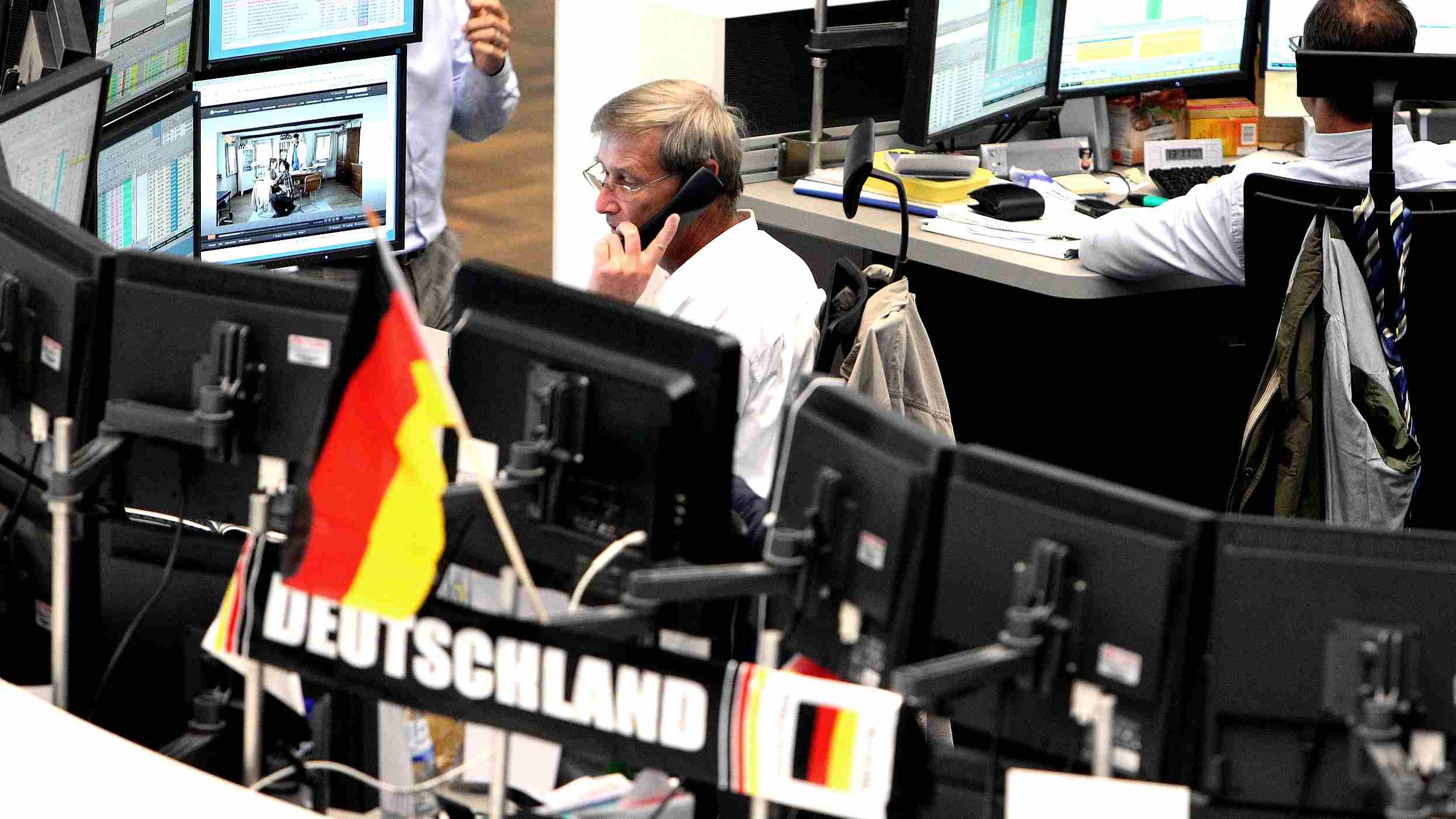
The World Cup kicks off in Russia on Thursday and investors should be warned that financial markets tend to act like any emotional soccer fan during the matches – they go quiet and nervy and don’t like losing.
More than two-thirds (43) of the 64 games in this year’s tournament will be played during European or Latin American trading hours which has been shown to significantly change market behavior.
During the 2010 World Cup in South Africa – the last to have similarly timed matches to those in Russia – stock market trading volumes dropped an average of 55 percent when the country’s teams were playing, according to a study.
In soccer-mad Brazil and Argentina the reduction was even more pronounced at 75 percent and 80 percent respectively. It fell by 38 percent in Europe and 43 percent in the United States, while big moments like goals cut activity a further 5 percent.
“People are distracted so it is bound to happen again, that would be my take,” said Michael Ehrmann, the European Central Bank’s head of monetary policy research and co-author of the analysis.
Ehrmann plans to do more analysis on this tournament and with 35 games in market hours in the first two weeks alone – probably more than any World Cup in history – there will be no shortage of data to crunch.
The original study, which looked at 15 major countries, found trading volumes dropped by a third on average even when a market’s own team wasn’t playing.
When they were involved, trading activity was already down 40 percent by the time the pre-match national anthems played and remained subdued for 45 minutes after the final whistle.
Bond markets were also affected. German government bond trading almost halved during three of Germany’s 2006 and 2010 World Cup games.
Stock indexes became 21 percent less correlated than normal with global price moves as well, underscoring just how differently news and information get processed during big games.
Source(s): Reuters