
World
14:04, 21-Jul-2018
WhatsApp limits forwarding in India after mob lynchings
Updated
13:45, 24-Jul-2018
 ["other"]
Share







Copied
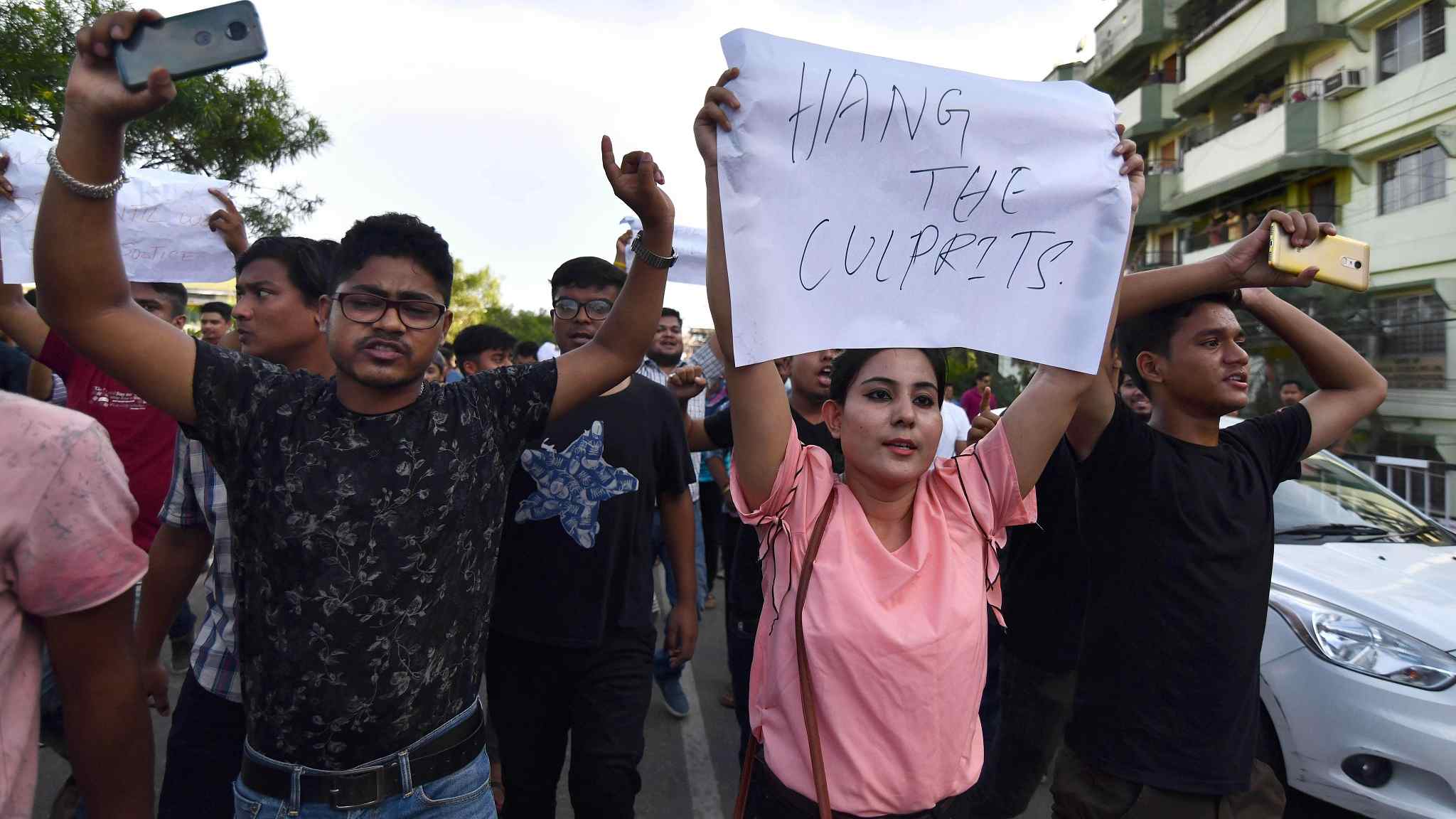
WhatsApp announced Friday it will start limiting its users’ ability to forward messages in India, following a string of horrific lynchings apparently prompted by fake news stories, and amid threats of legal action by the Indian government.
More than 20 people have been butchered by crazed mobs in the past two months across India after being accused of child kidnapping and other crimes in viral messages circulated wildly on WhatsApp.
Late Thursday, India's government, scrambling to find a response, threatened to take WhatsApp to court, saying the "medium" for spreading malicious rumors "cannot evade responsibility and accountability."
"If (WhatsApp) remain mute spectators they are liable to be treated as abettors and thereafter face consequent legal action," the information technology ministry said.

The father of lynching victim Nilotpal Das, with a picture of his son at his residence in Guwahati, India, July 9, 2018. /VCG Photo
The father of lynching victim Nilotpal Das, with a picture of his son at his residence in Guwahati, India, July 9, 2018. /VCG Photo
WhatsApp, which is owned by Facebook, responded on Friday with an announcement that it will test limiting the ability to forward messages and cap at five the number of contacts or groups that messages can be forwarded to.
In addition, it said it will remove the "quick forward button" next to media messages, making sending on messages more cumbersome.
"We believe that these changes – which we'll continue to evaluate – will help keep WhatsApp the way it was designed to be: a private messaging app," a statement said.
India’s 200 million WhatAapp users forward more messages, photos and videos, than any other country in the world, the company says.
But the spread of smartphones – there are a billion plus handsets, and data is cheap – to even the most remote corners has enabled rumors to be shared at lightning speed.

A man poses with a smartphone in front of a WhatsApp logo, September 14, 2017. /VCG Photo
A man poses with a smartphone in front of a WhatsApp logo, September 14, 2017. /VCG Photo
The rumor that has been blamed for the recent lynchings, which claims strangers are sedating and abducting children, emerged over a year ago in eastern India. But it has since spread to other parts of the country.
In the latest incident last Friday, a 27-year-old software engineer was beaten to death by a crowd of more than 2,000 people in the southern state of Karnataka after he and his friends offered chocolates to local children.
(Top picture: People protest after another lynching sparked by rumors spread on Facebook and WhatsApp in Guwahati, India, June 10, 2018. /VCG Photo)
Source(s): AFP