
Culture
15:18, 06-Oct-2018
The Chinese face in elephant protection
Updated
15:05, 09-Oct-2018
 ["china"]
Share







Copied
02:49

Huang Hongxiang was an undercover investigator of the illegal ivory trade in Africa. The job is as dangerous as it sounds. "A lot of the time, you have a hidden camera on you, and if people found you with that, you're going to be in big trouble," said Huang Hongxiang, an elephant protection activist.
He was featured in the 2016 documentary "The Ivory Game," in which he posed as a Chinese ivory buyer who tricked a Ugandan dealer into a police trap.
"When the police show up, I'd be the person closest to that criminal. So who knows what could happen. Who knows whether he has a gun, or a knife, or what he might do. So of course, I was pretty nervous in the beginning," said Huang.
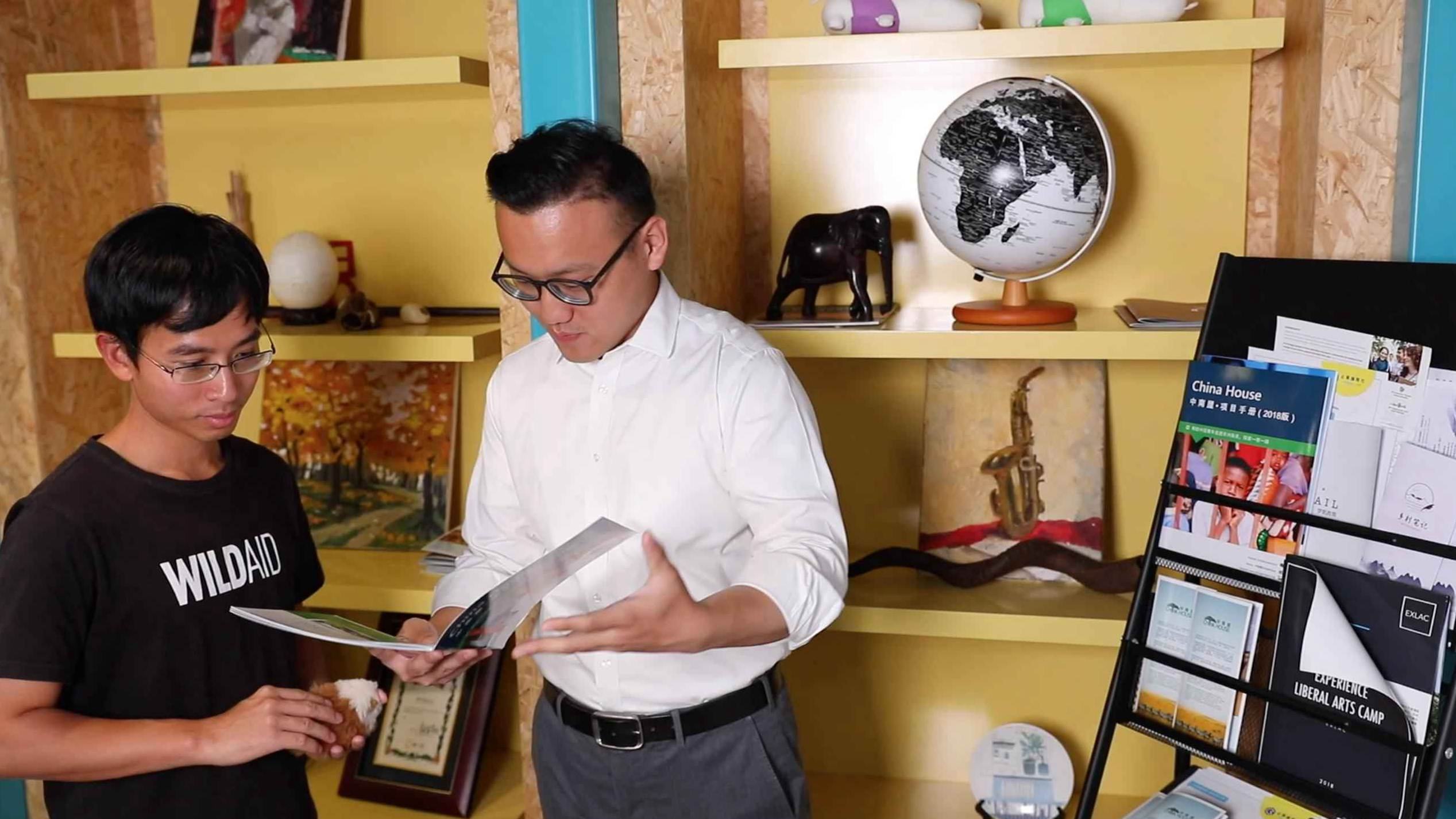
Huang (L) explains the concept of the China House. /CGTN Photo
Huang (L) explains the concept of the China House. /CGTN Photo
Huang may not look much like a rich ivory buyer. But the truth is, that doesn't really matter since the local traders will tell any potential buyers that they have cheap rhino horns, ivory or other wildlife products.
"They'd never suspect that you're an investigator or part of a Non-Governmental Organization (NGO)," said Huang.
Along with China's increasingly stringent laws and regulations, trade in wildlife and products is strictly forbidden. Although some still try to break the law.
"So as a Chinese person, somehow I feel there's a responsibility for me to do something," Huang stated.
The 2016 documentary has brought Huang a lot of exposure. But some of his partners have their doubts about his decision to reveal his identity, which means he could never go undercover again. But he said there's a reason for him to be so public about it.
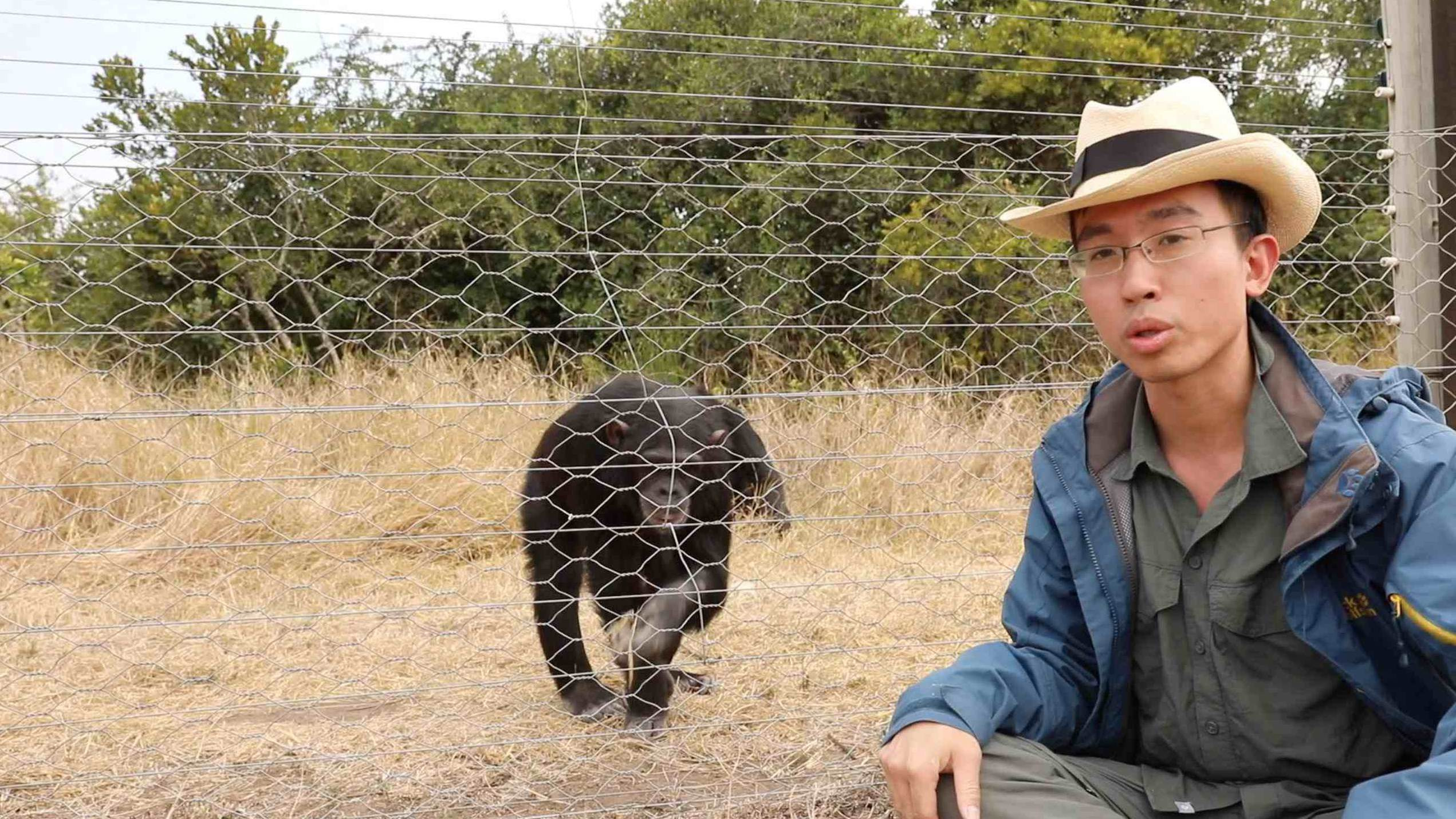
Huang leads animal protection projects in Africa. /CGTN Photo
Huang leads animal protection projects in Africa. /CGTN Photo
Huang indicated that, so far, there have been relatively few Chinese doing these kinds of things. He also wants to see more Chinese faces in the global wildlife conservation.
In 2014, Huang founded a social enterprise called the China House. Through it, he organized student programs on sustainable development in Africa and other developing areas.
"We believe that after we educate a lot of Chinese people, about what wildlife conservation actually is, about what an NGO is, and how to do research and investigate these things, they will be able to do something greater than what I can do," said Huang.
A few hundred Chinese students have participated. Huang says his long-term goal is to change the world's perception of Chinese people regarding animal protection.
(Top Image: Huang Hongxiang recounts his experience going undercover. /CGTN Photo)