
Politics
08:56, 31-Aug-2018
UN nuclear watchdog says Iran is complying with nuclear deal restriction
Updated
08:43, 03-Sep-2018
 ["europe"]
Share







Copied
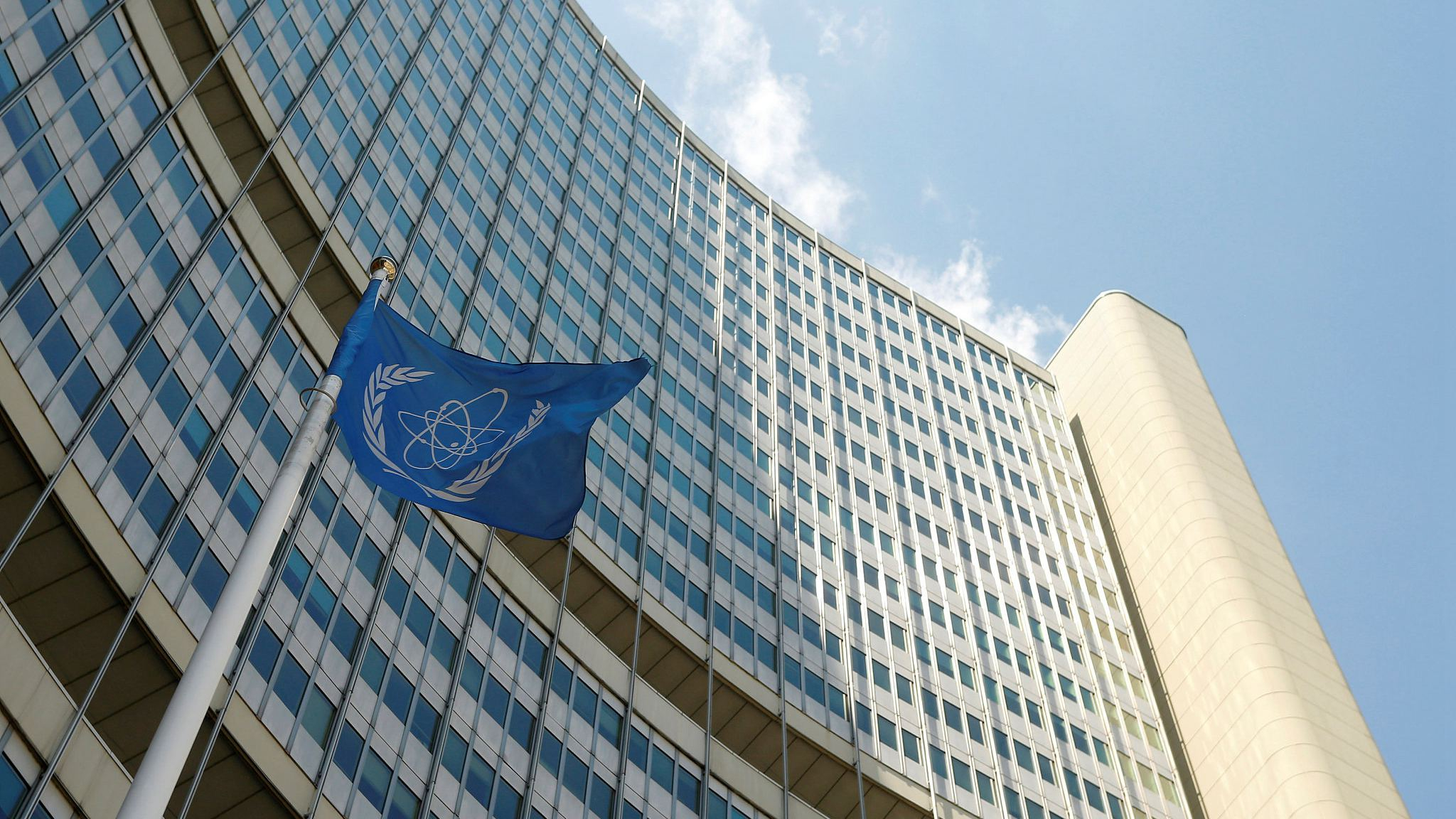
In a possible embarrassment for the Trump administration, the United Nations' nuclear watchdog the International Atomic Energy Agency (IAEA) has indicated that Iran is complying with the 2015 nuclear deal restrictions.
The UN nuclear body in its second quarterly report on Thursday said that Iran had stayed within the caps on uranium enrichment levels, enriched uranium stocks and other items.
In its last report in May, the IAEA had said Iran could do more to cooperate with inspectors and thereby "enhance confidence," but stopped short of saying Tehran had given it cause for concern.
Thursday's report said the IAEA investigators were able to carry out all complementary access inspections needed to verify Iran's compliance with the deal.
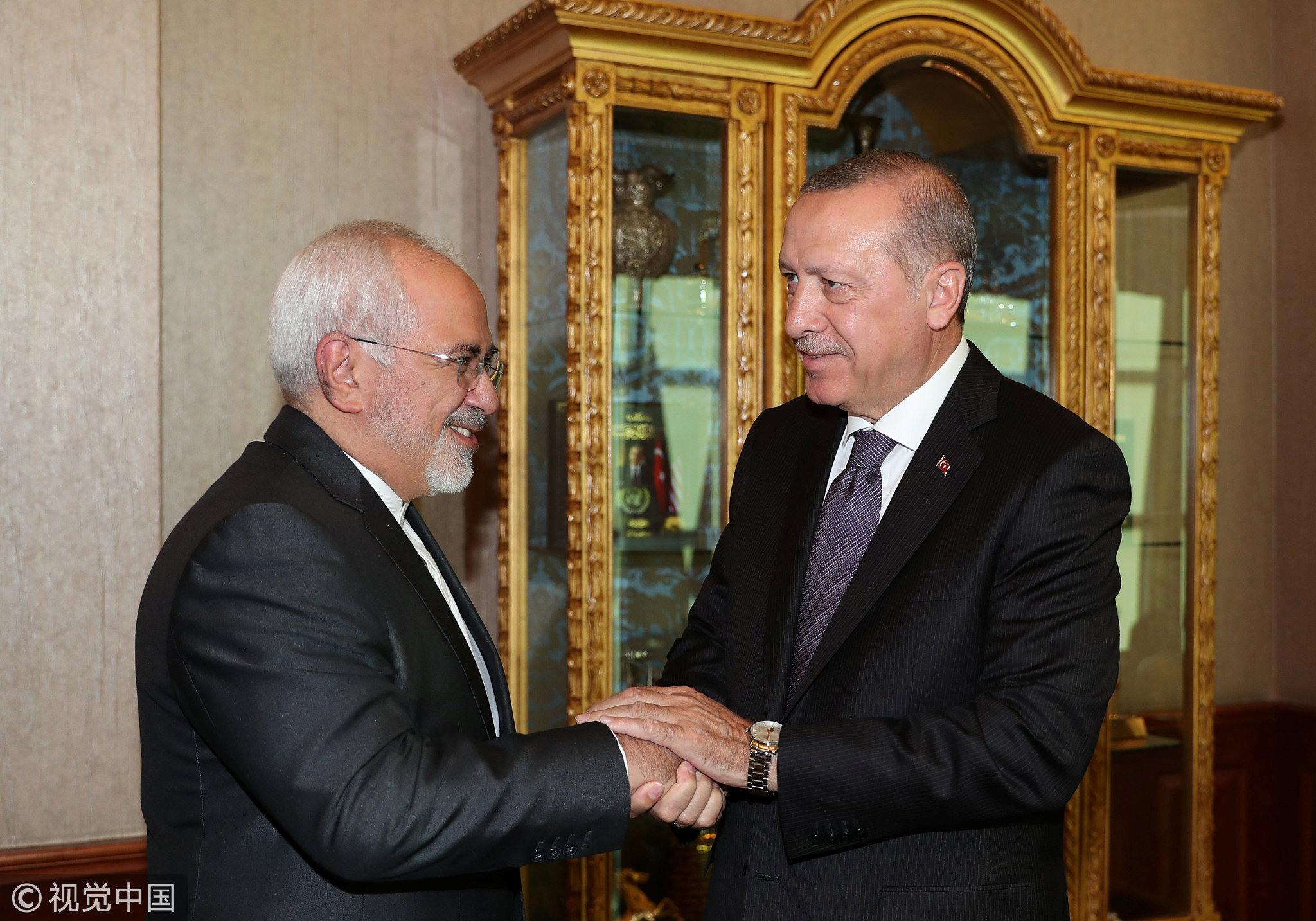
Turkish President Tayyip Erdogan meets with Iran's Foreign Minister Mohammad Javad Zarif in Ankara, Turkey, Aug. 29, 2018. /VCG Photo
Turkish President Tayyip Erdogan meets with Iran's Foreign Minister Mohammad Javad Zarif in Ankara, Turkey, Aug. 29, 2018. /VCG Photo
"Timely and proactive cooperation by Iran in providing such access facilitates implementation of the Additional Protocol and enhances confidence," said the report, which was distributed to IAEA member states.
Iran's Foreign Minister Mohammad Javad Zarif said on Thursday that sticking to the nuclear accord is not the only way forward for Iran. "Being the party to still honor the deal in deeds & not just words is not Iran's only option," he tweeted.
Court case: Iran vs US in ICJ
Iran has dragged the US to the International Court of Justice to demand the suspension of sanctions.
The hearings ended on Thursday. A ruling is expected within a month, though no date has been set.
During initial hearings in The Hague, the court's president asked the United States to respect the outcome of the case that Iran filed in July.
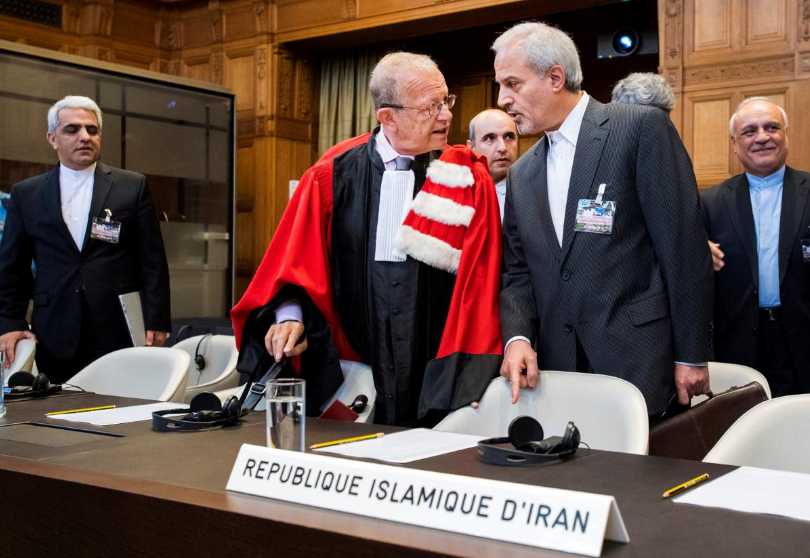
Mohammed Zahedin Labbaf, director of the Center for International Legal Affairs of the Islamic Republic of Iran, is seen before a hearing for alleged violations of the 1955 Treaty of Amity between Iran and the US, at the International Court in The Hague, Netherlands, Aug. 27, 2018. /Reuters Photo
Mohammed Zahedin Labbaf, director of the Center for International Legal Affairs of the Islamic Republic of Iran, is seen before a hearing for alleged violations of the 1955 Treaty of Amity between Iran and the US, at the International Court in The Hague, Netherlands, Aug. 27, 2018. /Reuters Photo
Tehran claims that the US sanctions, which are damaging the already weakened Iranian economy, violate terms of a little-known friendship treaty between the two countries.
Tehran's lawyers said that Iran had sought a diplomatic solution to the dispute but was rejected. US lawyers dismissed Iran's argument and urged the court to reject the Iranian lawsuit.
"This case is entirely about an attempt to compel the US by order of this court to resume" the 2015 nuclear deal, US State Department Legal Adviser Jennifer Newstead said in court hearing.
The ICJ is the UN highest court for resolving disputes between nations. Its rulings are binding, but it has no power to enforce them, and the US and Iran are both among a handful of countries that have ignored the court's decisions in the past.
(With input from Reuters)