
Culture
08:35, 09-Jun-2018
CGTN launches special column for China’s Intangible Cultural Heritage
 ["china"]
Share







Copied
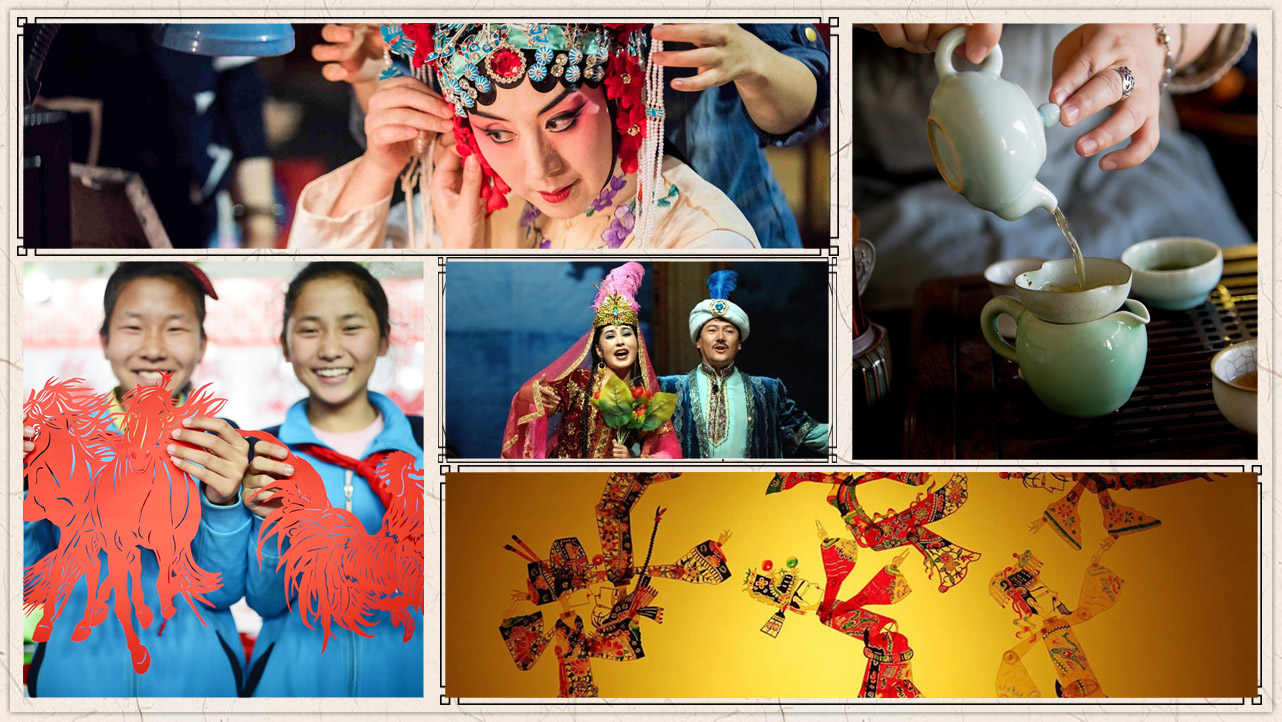
China honors its Cultural and Natural Heritage Day on the second Saturday of June each year. Set by the State Council in 2006, the festival marks a significant step in China's cultural development and heritage preservation.
More than 3,700 activities will be held across the country to celebrate this year's cultural and natural heritage day on June 9. Campaigns will be launched in at least 23 provinces and 218 cities and counties.
The celebrations feature Intangible Cultural Heritage (ICH), including ICH folk arts week, ICH-themed public lectures and relevant photo and video exhibitions, said Wang Chenyang, deputy director of the Department of Intangible Cultural Heritage.

The role of Dan in Kunqu Opera, referring to female characters. /CGTN Photo
The role of Dan in Kunqu Opera, referring to female characters. /CGTN Photo
ICH mainly refers to traditions or way of life inherited from ancestors and passed on to descendants, such as oral traditions, performing arts and social practices, among others. While fragile, it’s an essential factor in maintaining cultural diversity.
Thanks to its long history and splendid culture, China has 31 elements inscribed on the UNESCO Representative List of the Intangible Cultural Heritage of Humanity – more than any other nation. China and Mongolia share two of the 31 honors – Mongolian Urtiin Duu (Traditional Folk Long Song) and Mongolian art of singing, Khoomei.
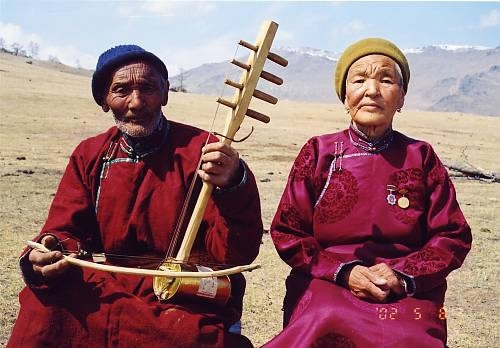
Inheritors of Mongolian Urtiin Duu (Traditional Folk Long Song) /UNESCO Photo
Inheritors of Mongolian Urtiin Duu (Traditional Folk Long Song) /UNESCO Photo
CGTN has launched a special column entitled “Priceless Culture” to disseminate China’s intangible cultural heritage.
Each episode offers original videos and pictures to detail the essence of every kind of art and talks about their past, present and future.
For example, the piece “Chinese shadow puppetry: A tale of light and shadow” illustrates the origin of shadow puppetry, how it combines various forms of art, and the demanding work required to make puppets, as well as how the ancient tale finds a modern narration in film, music and in museums and souvenir shops.
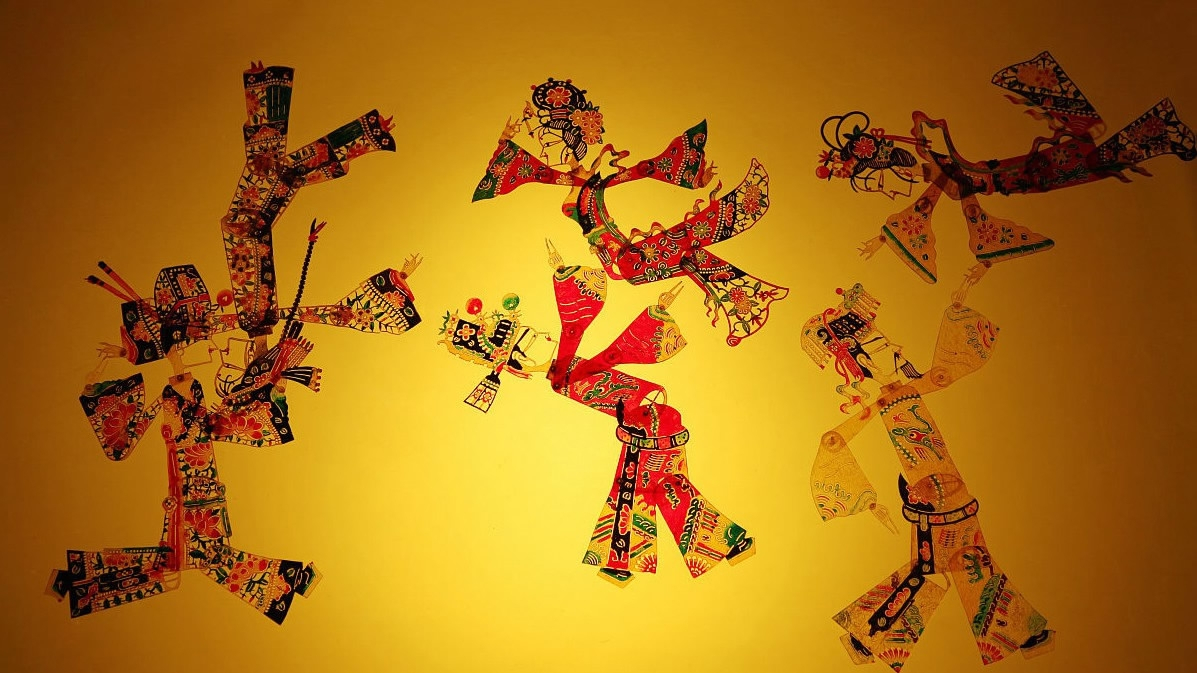
Shadow puppets /VCG Photo
Shadow puppets /VCG Photo
And also in "Uygur Muqam: Seeking Xinjiang's musical roots", the author reveals the charm behind the Xinjiang Uygur people’s dances and melodies.
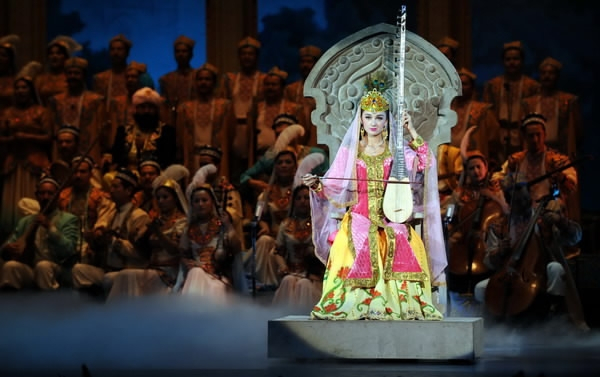
Folk songs and Muqams are performed with folk instruments. /Xinhua Photo
Folk songs and Muqams are performed with folk instruments. /Xinhua Photo
Up till now, CGTN has published 20 pieces, with more on the way. Stay tuned and we’ll bring you more visual feast and pleasant reading experience.