
World
12:44, 21-Jun-2018
No country, no parents – To whom do I belong?
 ["china"]
Share







Copied
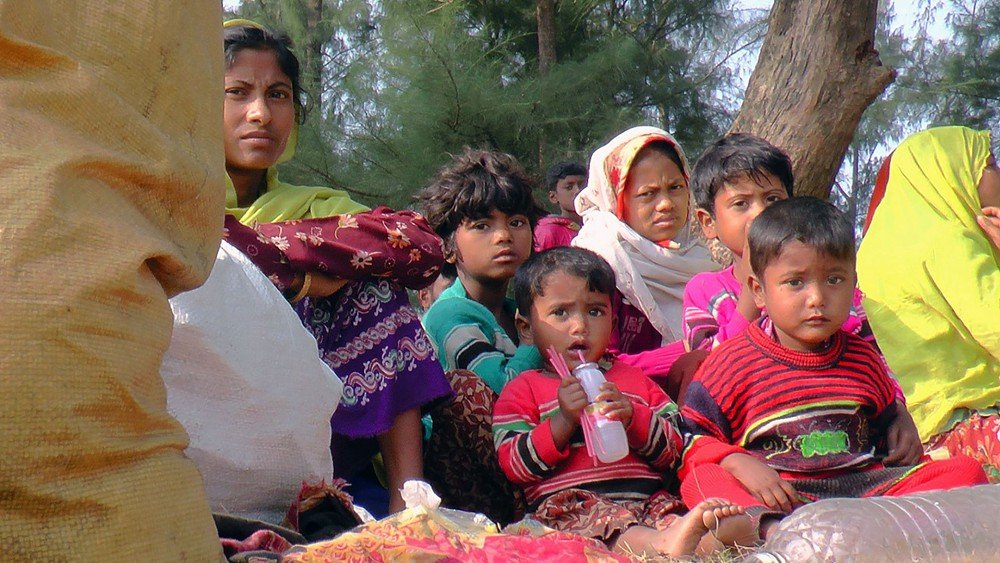
As one walks through the narrow lanes of the camps where Rohingya refugees live in Bangladesh, the first thing that strikes you is the number of kids running on the streets.
Most of them are bare-bodied, and there are more boys than girls.
They tease the passersby with shouts of English phrases like “bye-bye,” “how are you,” “fine thank you,” which of course they have picked up from the international community working here.
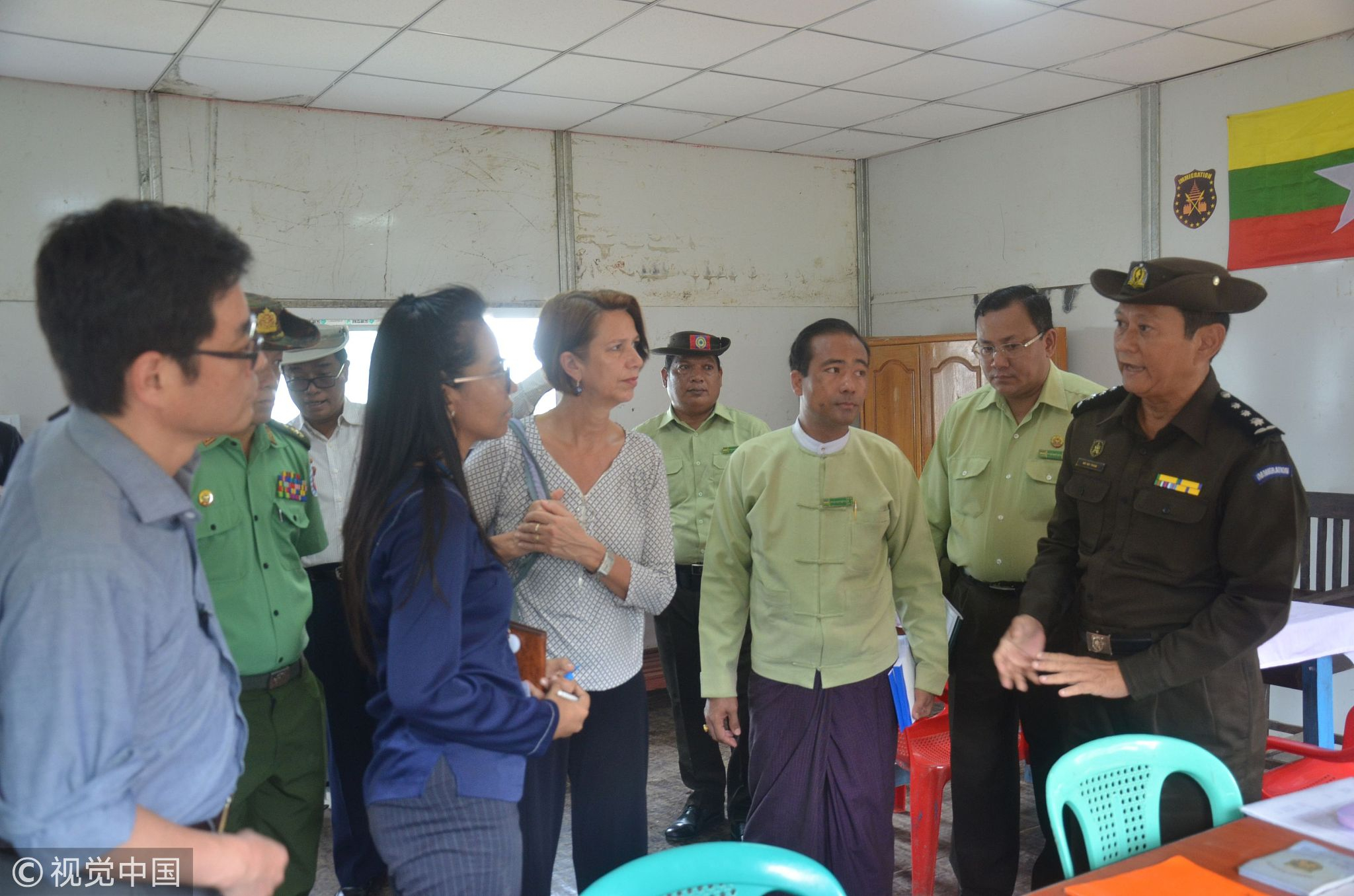
UN Special Envoy to Myanmar Christine Schraner Burgener (5th-R) meet Myanmar immigration officer (R) and local officials at a processing center for Rohingya refugees in Maungdaw district close to the border of Bangladesh, June 18, 2018. /VCG Photo
UN Special Envoy to Myanmar Christine Schraner Burgener (5th-R) meet Myanmar immigration officer (R) and local officials at a processing center for Rohingya refugees in Maungdaw district close to the border of Bangladesh, June 18, 2018. /VCG Photo
“I like it here,” says 11-year-old Hamiduallah while carrying a chicken in his hand. “We get to play with our friends and it’s fun,” he adds.
But it’s not all fun as many of them have to share household responsibilities.
In the last nine months these kids have learned survival tactics. In August 2017 when the exodus began, these kids were innocent, scared, exhausted and lost.
Slowly they have learned the art of fending for themselves and you can find them arguing if anyone tries to overtake them in the queue where aid is distributed. These are the ones who have the security of living with their families so they know they have someone to back them.
The challenge for those who are abandoned or orphaned is tougher.
According to United Nations International Children’s Education Fund (UNICEF), 50 percent of over 700,000 Rohingya who crossed the border are children. Of these, many were orphaned and arrived in an unknown land all alone.
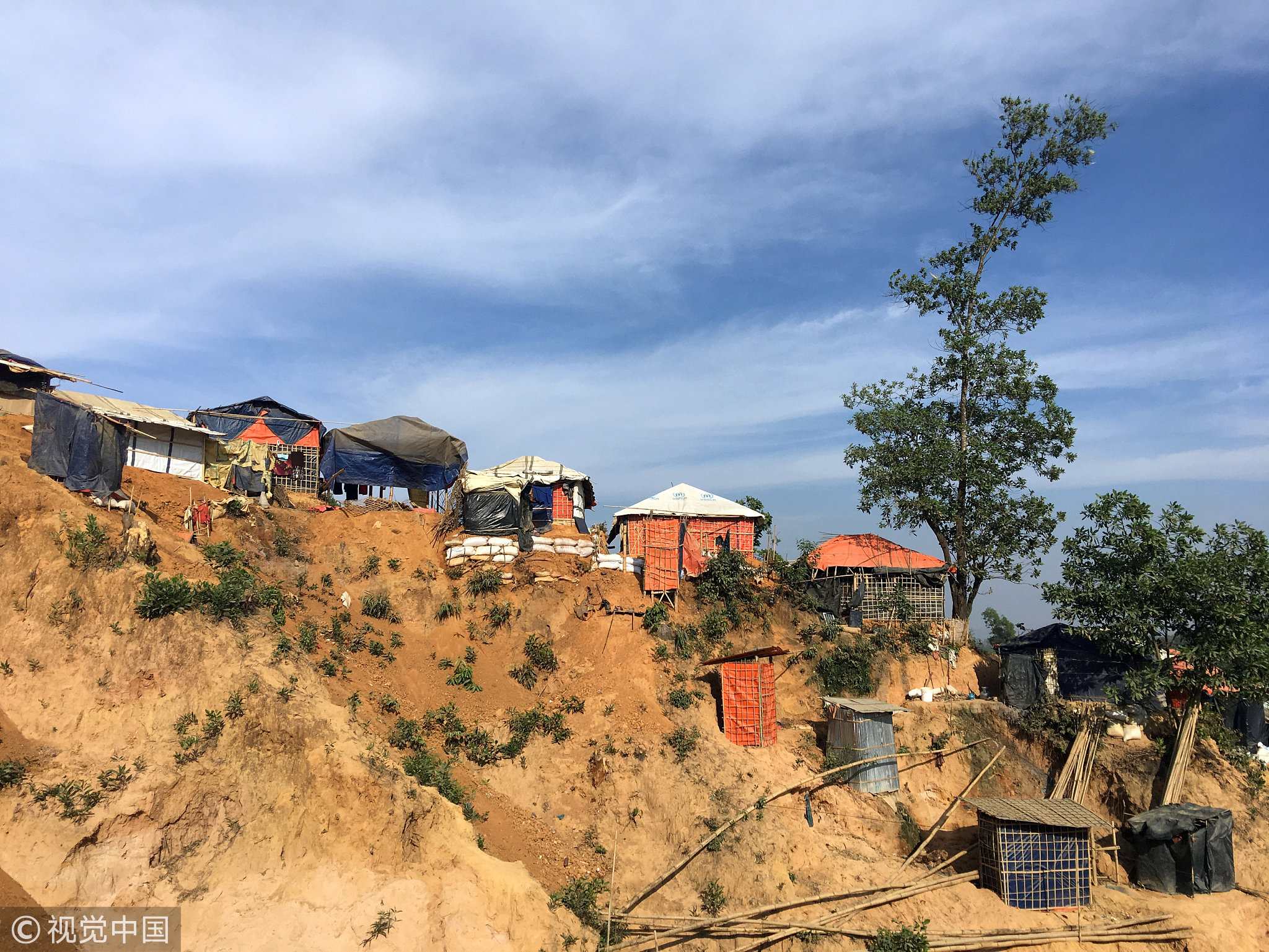
Shacks cling to a landslide-prone hill in the Balukhali camp for Rohingya refugees in southern Bangladesh, February 13, 2018. /VCG Photo
Shacks cling to a landslide-prone hill in the Balukhali camp for Rohingya refugees in southern Bangladesh, February 13, 2018. /VCG Photo
Some of them have found foster homes with the help of children’s organizations, but there are others who have been abandoned as children born from acts of violence.
According to the United Nation’s Population Fund (UNFPA), more than 13,000 Rohingya women suffered sexual violence as they fled their homes to safer havens.
This year, the aid agencies expect a boom in the birth of babies.
Beatriz Ochoa, humanitarian advocacy manager, Save the Children expresses concern, “Our biggest concern for all children born in this time of the year, regardless of how they have been conceived, is that the stigma or a label that is attached to them so we really want to avoid it. We think every child has the right to health, education, nutrition and we are working towards protecting the rights of these children.”
Another health coordinator working in Kutupalong camp says that women who came in Bangladesh nine months into their pregnancy don’t want to carry their babies, but they are being given counseling to deal with the stigma.
We met Shafiqua Begum, 26, who when given a choice to hide her identity said, “I feel ashamed to talk about what happened to me, but still I have to share it.”
She is the mother of three children but for her, the third child is a constant reminder of the violence perpetrated upon her on the other side of the border in Myanmar by the militia.

Myanmar Social Welfare Minister Win Myat Aye (L) talks to Rohingya refugees during his visit to the Kutupalong refugee camp in Bangladesh's Ukhia district, April 11, 2018. /VCG Photo
Myanmar Social Welfare Minister Win Myat Aye (L) talks to Rohingya refugees during his visit to the Kutupalong refugee camp in Bangladesh's Ukhia district, April 11, 2018. /VCG Photo
“They raped three of us who were working in the field,” recalls Shafiqua Begum.
“My husband was in Bangladesh to earn a living and I was alone. I fled after the dastardly act and came here and just six months after I had a baby girl, whom I named Taslima,” says Shafiqua.
Her husband has not been able to accept the child and she tried to give her away twice.
“I feel ashamed of going out in my community as people talk about it, but what can I do. It’s not my fault but my bad luck. I want justice but I have no country, who will give me justice?” questions Shafiqa.
Shafiqua’s daughter Taslima is lucky that her mother still takes care of her but other unwanted babies conceived after an act violence neither have a country nor parents to whom they belong.
(Cover: Newly arrived Rohingya refugees rest on the roadside in Teknaf after fleeing to Bangladesh from Myanmar, February 22, 2018. /VCG Photo)