
Politics
08:10, 06-Aug-2018
US to enforce sanctions against Iran: Pompeo
Updated
07:27, 09-Aug-2018
 ["china"]
Share






Copied
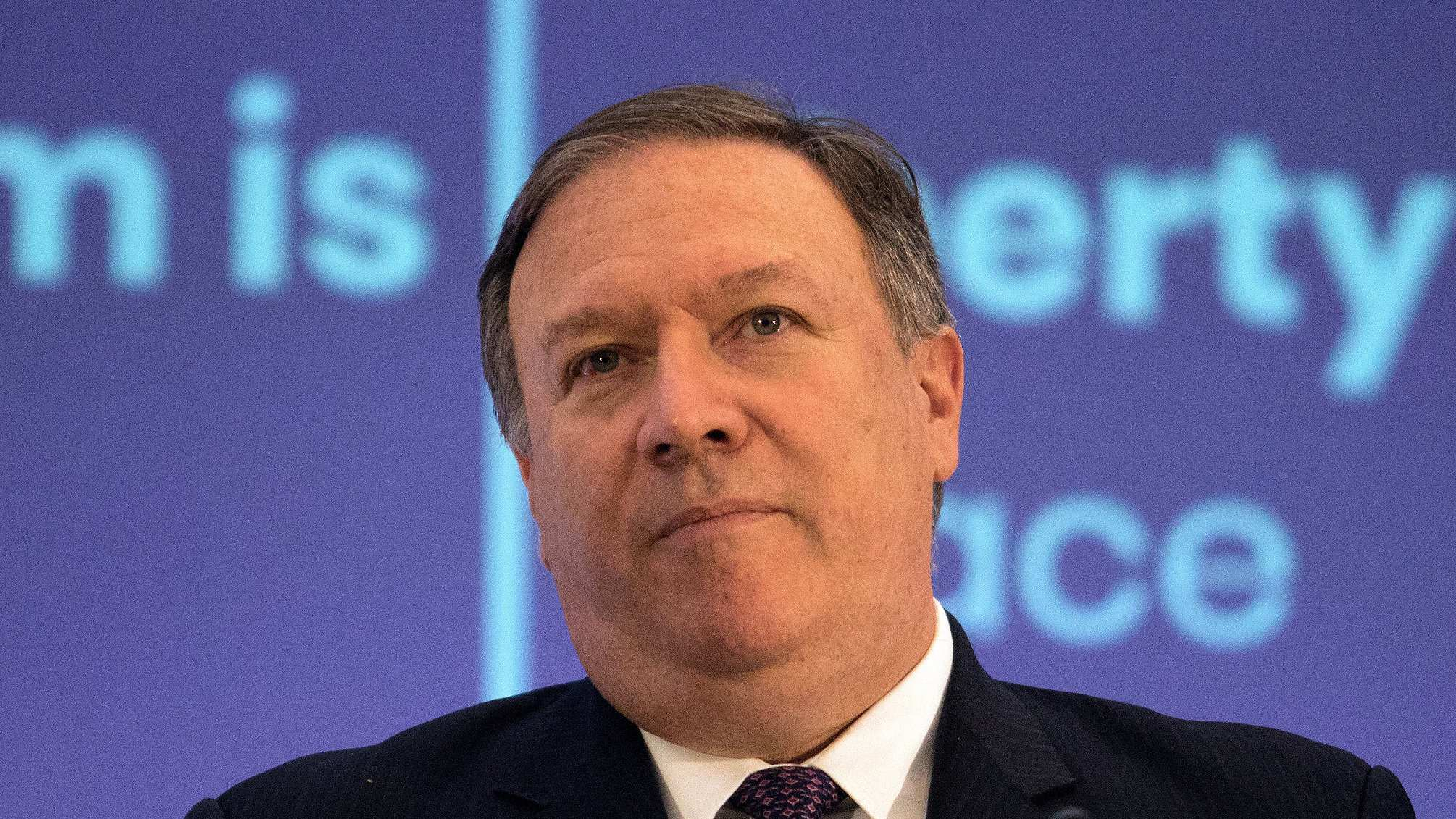
The US will fully enforce sanctions against Iran and will make an announcement detailing their reinstatement on Monday, US Secretary of State Mike Pompeo told reporters on Sunday after returning from the ASEAN summit in Southeast Asia.
As of 0401 GMT Tuesday, the Iranian government will no longer be able to buy US banknotes and broad sanctions will be slapped on Iranian industries, including rug exports, according to Pompeo.
“It’s an important part of our efforts to push back against Iranian malign activity,” he said.
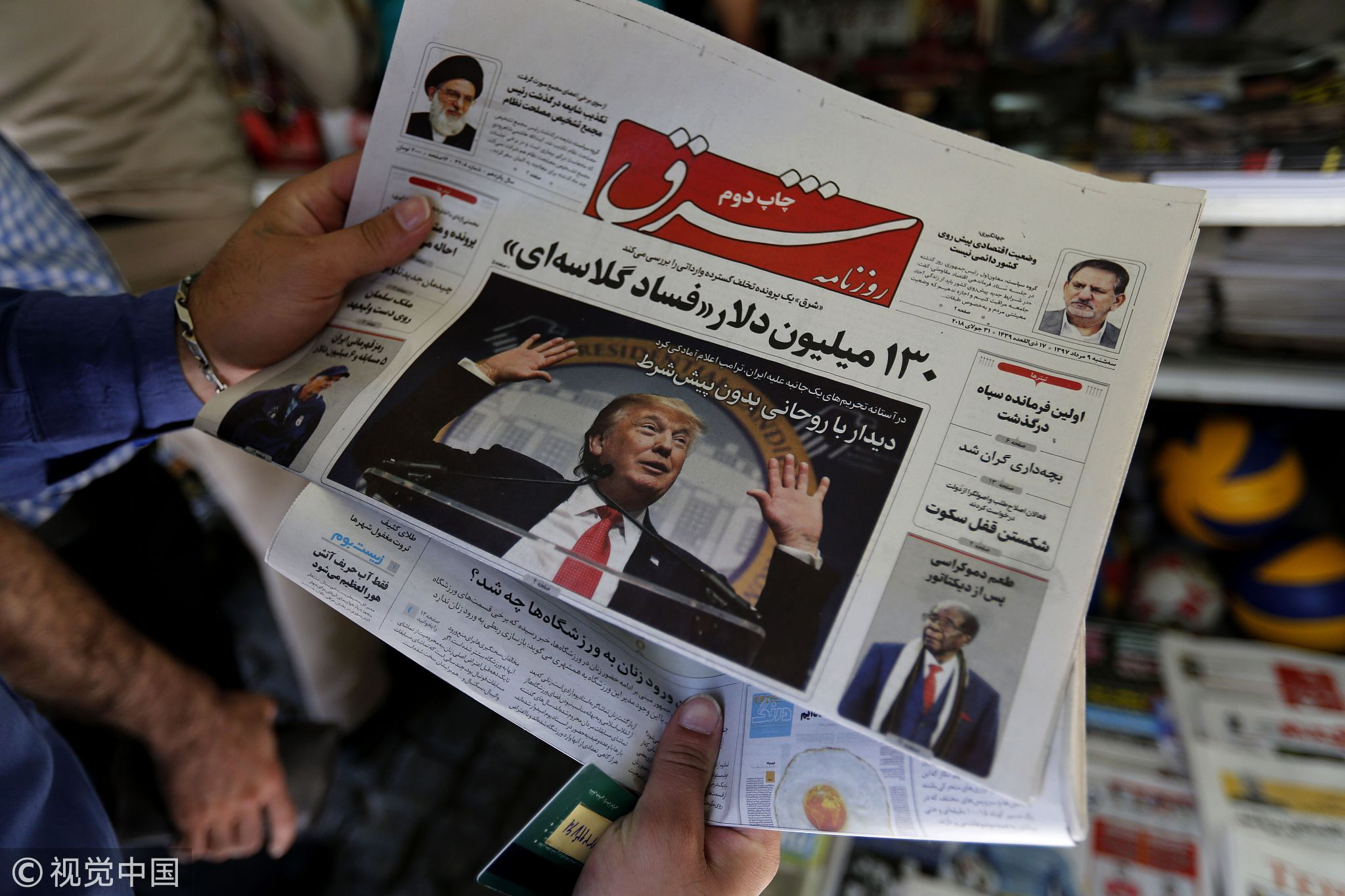
A man takes a glance at a newspaper with a picture of US President Donald Trump on the front page, in the Iranian capital Tehran, July 31, 2018. /VCG Photo
A man takes a glance at a newspaper with a picture of US President Donald Trump on the front page, in the Iranian capital Tehran, July 31, 2018. /VCG Photo
The US walked out of the 2015 Iran nuclear deal in May. As planned, it is restoring sanctions for most sectors on August 6, and the key energy sector on November 4.
Starting this week, Washington will reimpose sanctions on Iran’s purchases of US dollars, its trade in gold and precious metals, and its dealings with metals, coal and industrial-related software.
The US has told other countries they must halt imports of Iranian oil starting in early November or face American financial measures.
Iranian President Hassan Rouhani said last week that Trump’s repudiation of the deal was illegal and Iran would not yield to Washington’s renewed campaign to strangle his nation's vital oil exports.
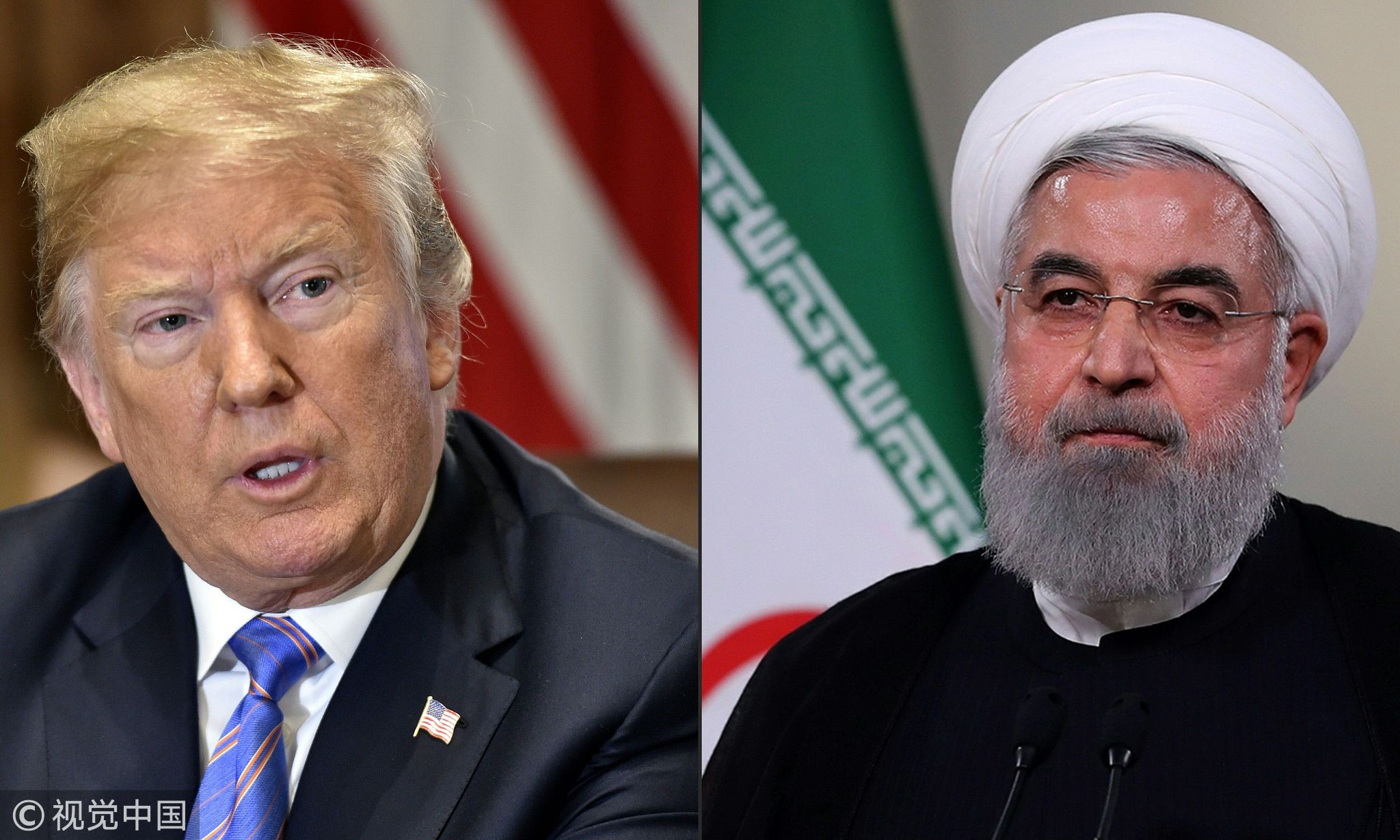
US President Donald Trump (L) and Iranian President Hassan Rouhani. /VCG Photo
US President Donald Trump (L) and Iranian President Hassan Rouhani. /VCG Photo
Iranian state TV reported on Sunday that the country will ease foreign exchange rules in a bid to halt a collapse of the rial currency that has lost half its value since April due to fears about US sanctions.
Referring to recent sporadic protests in Iranian cities, Pompeo said: "The Iranian people are not happy – not with the Americans but with their own leadership. They’re unhappy with the failure of their own leadership to deliver the economic promises that their leadership promised them."
Europe wants to stick with the deal and the EU is pushing legislation to protect its companies' continued trade with Iran.
And China, another signatory to the accord, has repeatedly voiced its continuing support.
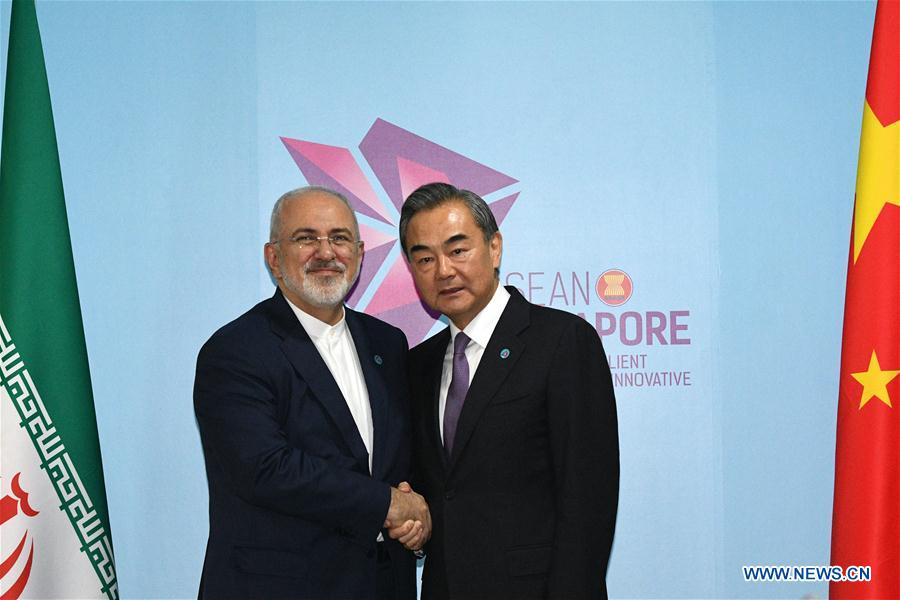
Chinese State Councilor and Foreign Minister Wang Yi (R) greets Iranian Foreign Minister Mohammad Javad Zarif in Singapore, August 3, 2018. /VCG Photo
Chinese State Councilor and Foreign Minister Wang Yi (R) greets Iranian Foreign Minister Mohammad Javad Zarif in Singapore, August 3, 2018. /VCG Photo
When Chinese State Councilor and Foreign Minister Wang Yi met his Iranian counterpart Javad Zarif on Friday, he reiterated "China always holds the view that JCPOA (nuclear deal) is a multilateral deal which is verified and approved by the UN Security Council and accords the common interests of all parties and the international community."
He added China is willing to enhance communication and cooperation with all parties including Iran and do its best to continue safeguarding the deal in a bid to maintain peace and stability in the region and the world at large.
(With inputs from agencies)