
Business
16:06, 23-Aug-2018
Spending Smart: New competitors enter China’s boiling coffee market
Updated
15:47, 26-Aug-2018
 ["china"]
Share







Copied
03:11

China's coffee market is expanding quickly. For customers, enjoying a cup of coffee is becoming easier than ever before, while for coffee brands, competing in Chinese market has become increasingly intense.
According to data from a financial services company SafeRich, in the first half of 2018, new investment in Chinese coffee projects reached over one billion yuan (about 150 million US dollars), and Chinese coffee and other beverage consumption is expected to climb by eight percent between 2015 and 2020.
Besides for rapid growth, there is now also division between the foreign and domestic brands.
“Foreign brands now dominate the traditional chain store market. However, domestic brands are targeting a new front, including online coffee [selling], independent coffee stores, and boutique coffee stores,” explained Wang Zhendong, the principal of the Shanghai-based beverage training school Drink Beverage Technology
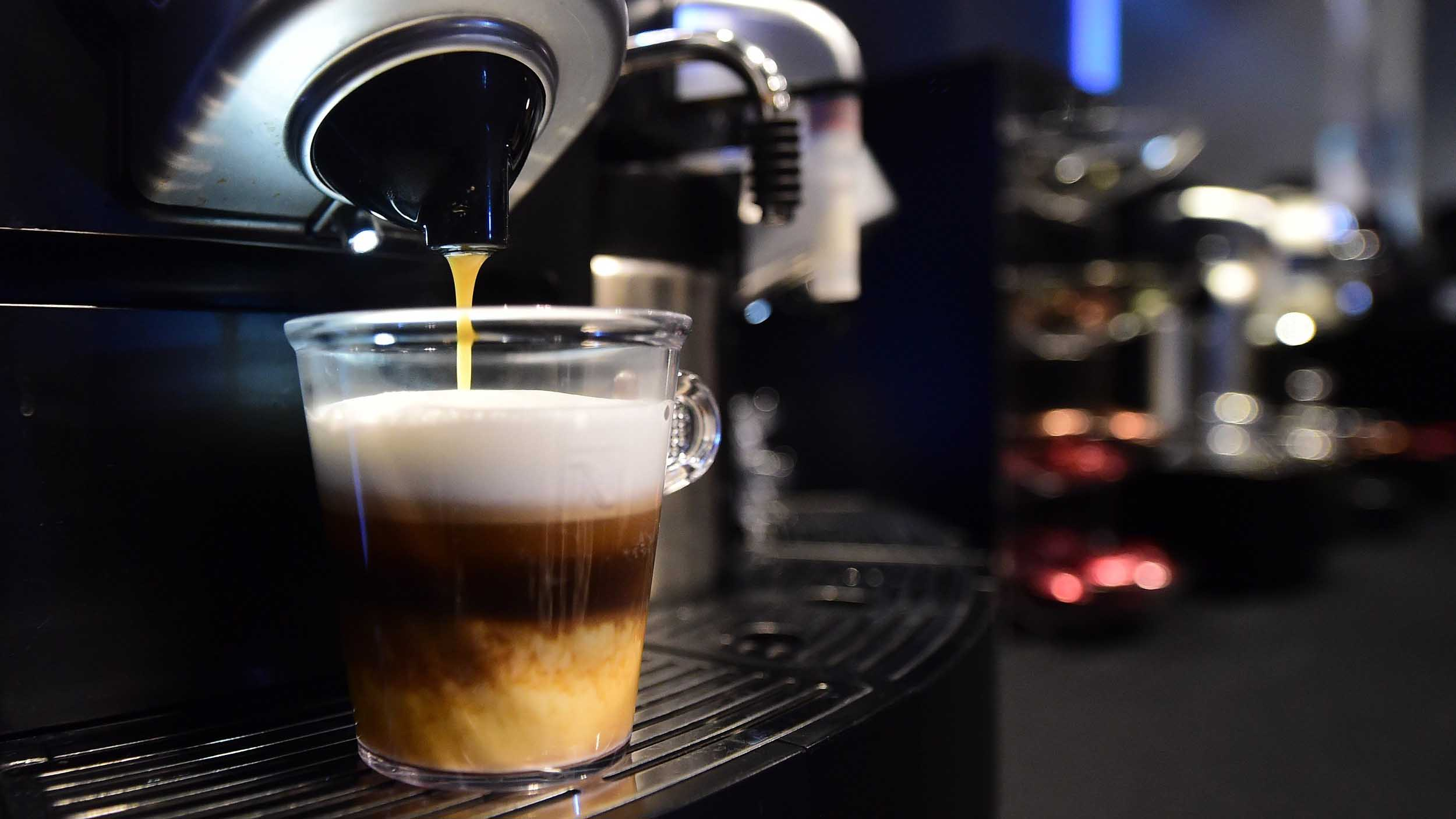
More and more foreign companies are entering the Chinese coffee market. Canadian coffee brand Tim Hortons announced this week that it will enter as soon as next year, with a plan of opening over 1500 shops.
VCG Photo
VCG Photo
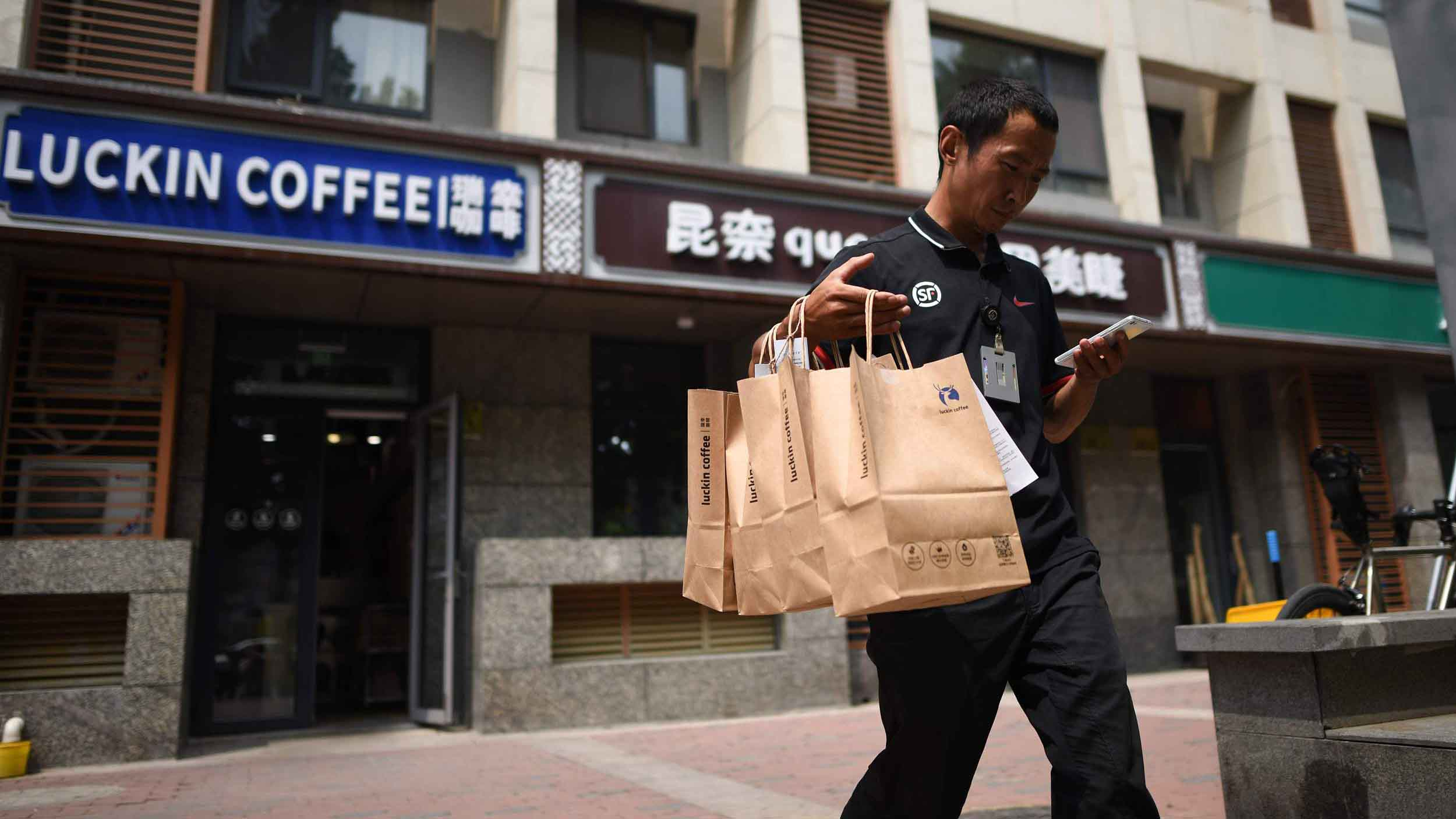
No matter how well-prepared a foreign company is, jumping into China’s huge and dynamic market won’t be easy. Starbucks now has more than 3000 coffee shops nationwide, but still facing challenge from emerging local brands - Luckin Coffee, one of its competitors, has just finished its first round of financing with investors putting in 200 million US dollars.
It is quite sure that the competition for newcomers in China’s coffee market will be formidable. Experience from the pioneers may be helpful to the newcomers.
“I think for us it's being very creative with our coffees, always being innovative and making sure we are ahead of the market, creating coffee that no one else has is our secret. I think we try to find coffee that people in Asia would like to taste more of, not so dark roasted like other mainstream coffee companies do. We try to select coffee that fits the Asian market,” said Jim Lee, CEO and founder of Ocean Grounds.
A deliveryman carrying bags of coffee walks out a Luckin Coffee in Beijing, August 2, 2018. /VCG Photo
A deliveryman carrying bags of coffee walks out a Luckin Coffee in Beijing, August 2, 2018. /VCG Photo
With more and more companies entering the market, specialists claim that local customization is now the top priority.
“I think there has to be some localization changes in terms of management, design, and new product development. Among those, staff management is the most important factor to see if the company can survive in the Chinese market. Besides, the market [in China] has a really high standard for product development,” Wang further explained.