
Business
15:44, 24-Aug-2018
Jackson Hole preview: The outcome means more for Chinese investors than those in Wall Street
Updated
15:41, 27-Aug-2018
 ["north america"]
Share







Copied
Editor's Note: Jimmy Zhu is Chief Strategist at Fullerton Markets. The article reflects the author’s opinion, and not necessarily the views of CGTN.
Paying attention to the Jackson Hole meeting has become a tradition for Fed watchers. Though things might be slightly different this time as Powell’s tone may have a limited impact on dollar assets towards the end of the year if short-term uncertainties in US economy stay low. However, what happens at tonight's Jackson Hole meeting may mean a lot for yuan asset investors.
History has shown that a fresh policy outlook has to be announced at the Jackson Hole meeting for it to have any effect on price movements. For tonight's meeting, Powell is expected to keep his “hawkish stance” and he has no reason to be influenced by Donald Trump’s Fed criticism from only a few days ago.
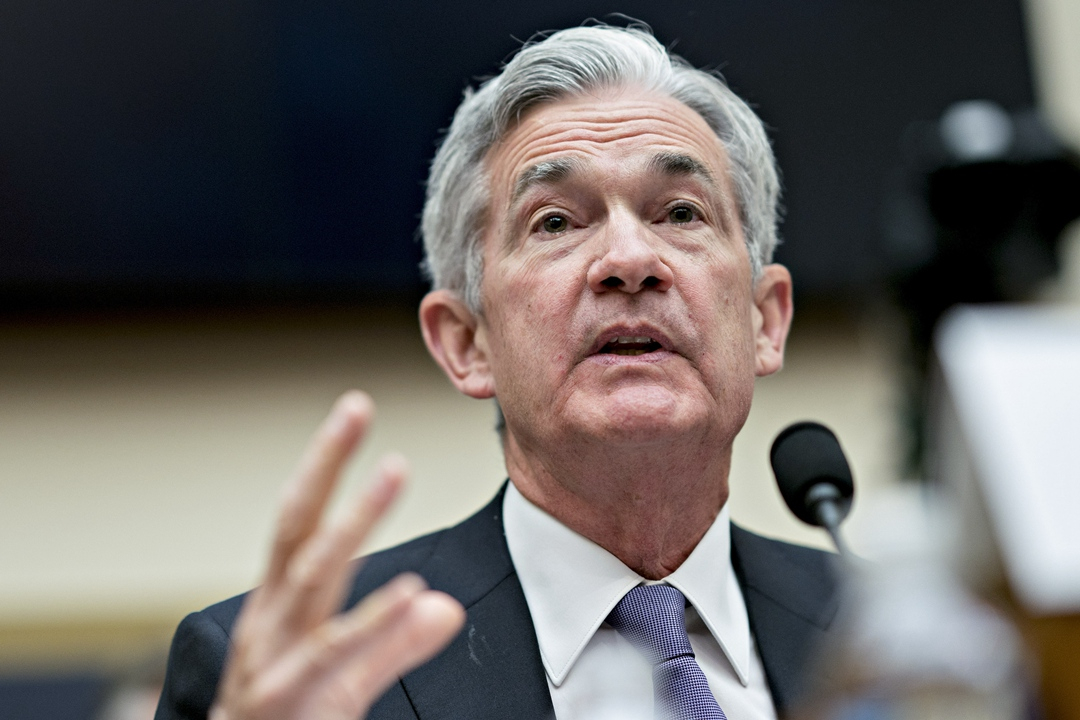
Jerome Powell, chairman of the US Federal Reserve. /VCG Photo
Jerome Powell, chairman of the US Federal Reserve. /VCG Photo
The economic picture in US has remained more or less the same in recent months and further rate hikes are justified. Earlier indicators have shown that the US labor market has been resilient this month. Its initial jobless claims are at the four-week moving average, which is close to the lowest level since 1969, and its core PCE on a year-on-year basis is about to reach the Fed’s two percent inflation target.
August FOMC minutes also clearly indicated that the Fed intends to raise rates in September, meaning the only question left is finding out when it will start to pause the rate hike. Investors will definitely scrutinize every word Powell has to say about for the upcoming policy outlook.
No matter if Powell is more dovish or hawkish than what markets expect, current trends in US capital markets are not likely to reverse. If the Fed continues to raise their policy rates, it reflects the US economy being able to withstand a higher rate in the near term and that boosts confidence in the economy, which is also positive for its stock market.
If the Fed starts to review their current policy regime as economic uncertainties kick in, a dovish Fed will likely be considered as positive for US risk assets like the stock markets. For the US dollar, its medium uptrend versus the other major currencies are set to continue to rise, as most of the central banks can't follow the Fed’s pace when tightening their assets.
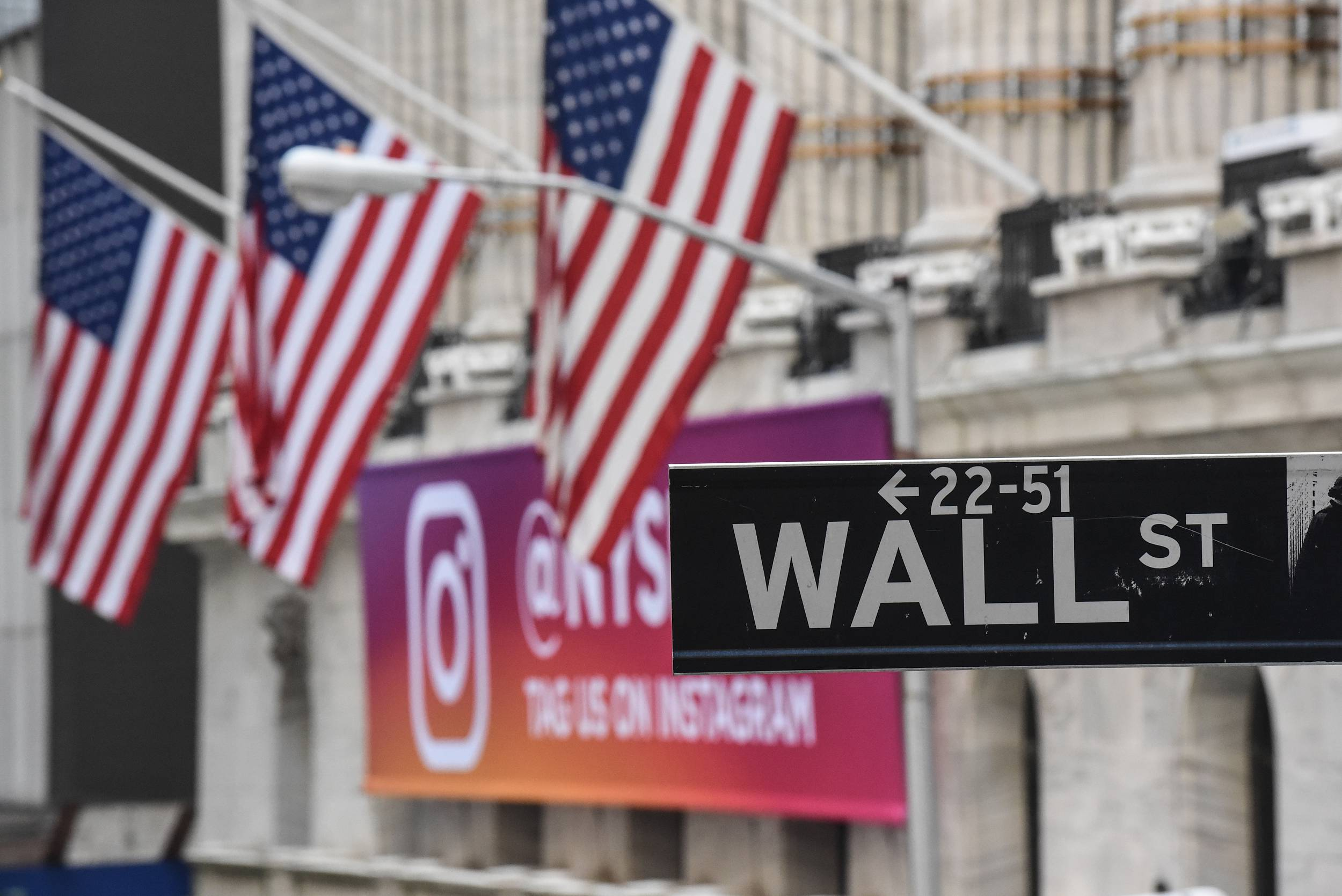
The NYSE building on Wall Street on August 1, 2018 in New York City. /VCG Photo
The NYSE building on Wall Street on August 1, 2018 in New York City. /VCG Photo
However, the outcome of the Jackson Hole meeting may influence the monetary policy in China to some extent. A hawkish tone from Powell tonight may reduce the room for China's central bank the People's Bank of China (PBOC) to maneuver with their monetary policy. Narrowing China-US short term interest rates tends to induce more capital outflows as the spread between the countries’ two-year sovereign bonds yield is now only 25 bps, down from 150 bps a year ago.
If Powell vows to continue its monetary policy tightening in order to keep China's short term interest rates higher than those in US, the PBOC may decide to raise those market interest rates. This move could show a contradicting signal to what it did recently, such as when it injected liquidity into the financial system after the Fed’s hike in September.
Such action may increase interbank lending costs, a move which is not favored by the current economic conditions. Furthermore, higher rates may also increase default risks. Maturities in local government financing vehicles are at 340 billion yuan each quarter through to April-June 2019, according to data from Bloomberg.
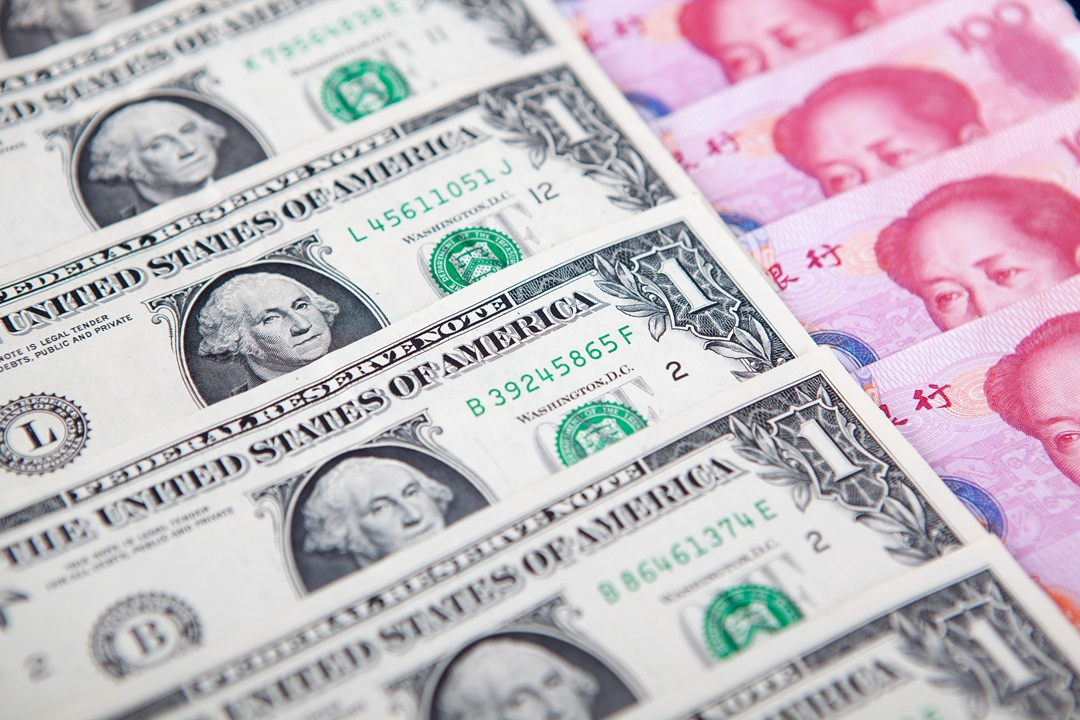
VCG Photo
VCG Photo
Besides for the rates market, yuan watchers are also paying attention into the Jackson Hole meeting tonight. Thanks to the dollar index that peaked at August 15, onshore yuan failed to break the 6.94 level and strengthened to as much as 6.8379 versus the greenback on 21 August. However, the yuan dropped recently again as it increasingly appeared that the Fed will continue its rate hikes for the next 12 months, and if Powell were to reiterate this at the Jackson Hole meeting, the Chinese currency may weaken and move above 6.9 versus the dollar again in the short term.
The CNY/USD has correlated daily and the Shanghai composite index has risen to 0.768 since the beginning of 2018. If such a correlation were to continue, the yuan’s contagion risk should not be ignored, especially when the CNY/USD level is near to the key level of 7.0. In order to keep the yuan stable, policymakers may raise its reverse repo rates in September for the first time since March this year.