
Culture
23:16, 07-Jun-2018
National entrance exam: Village girls change their destiny through education
 ["china"]
Share







Copied
03:10
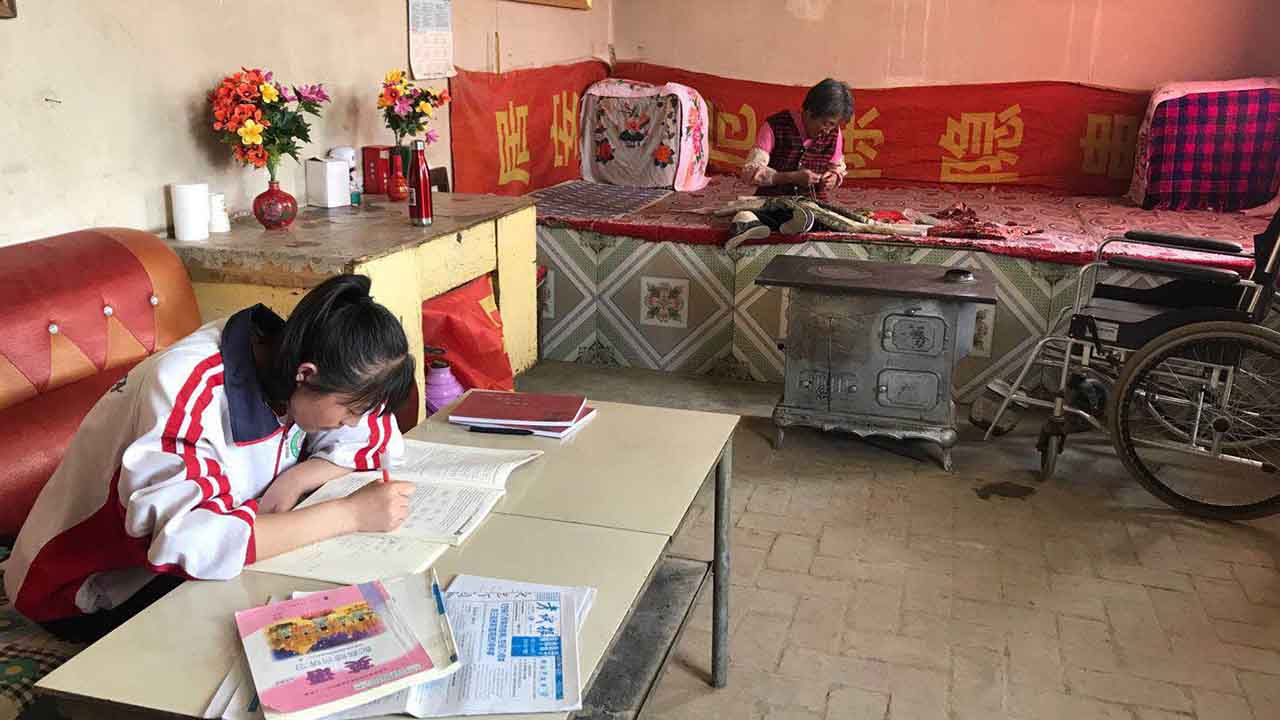
Amongst Zhang Shenxia’s 40 classmates in junior high, only 10 went on to high school. Zhang is a Grade 11 student from a small village in Gansu Province.
She’s the middle child of her family, and now attends boarding school in a county 30 miles away from her village.
Neither parent ever completed elementary school, as the father now works seasonal construction work and tends to the family crops, the annual household income is barely over 1,000 US dollars.
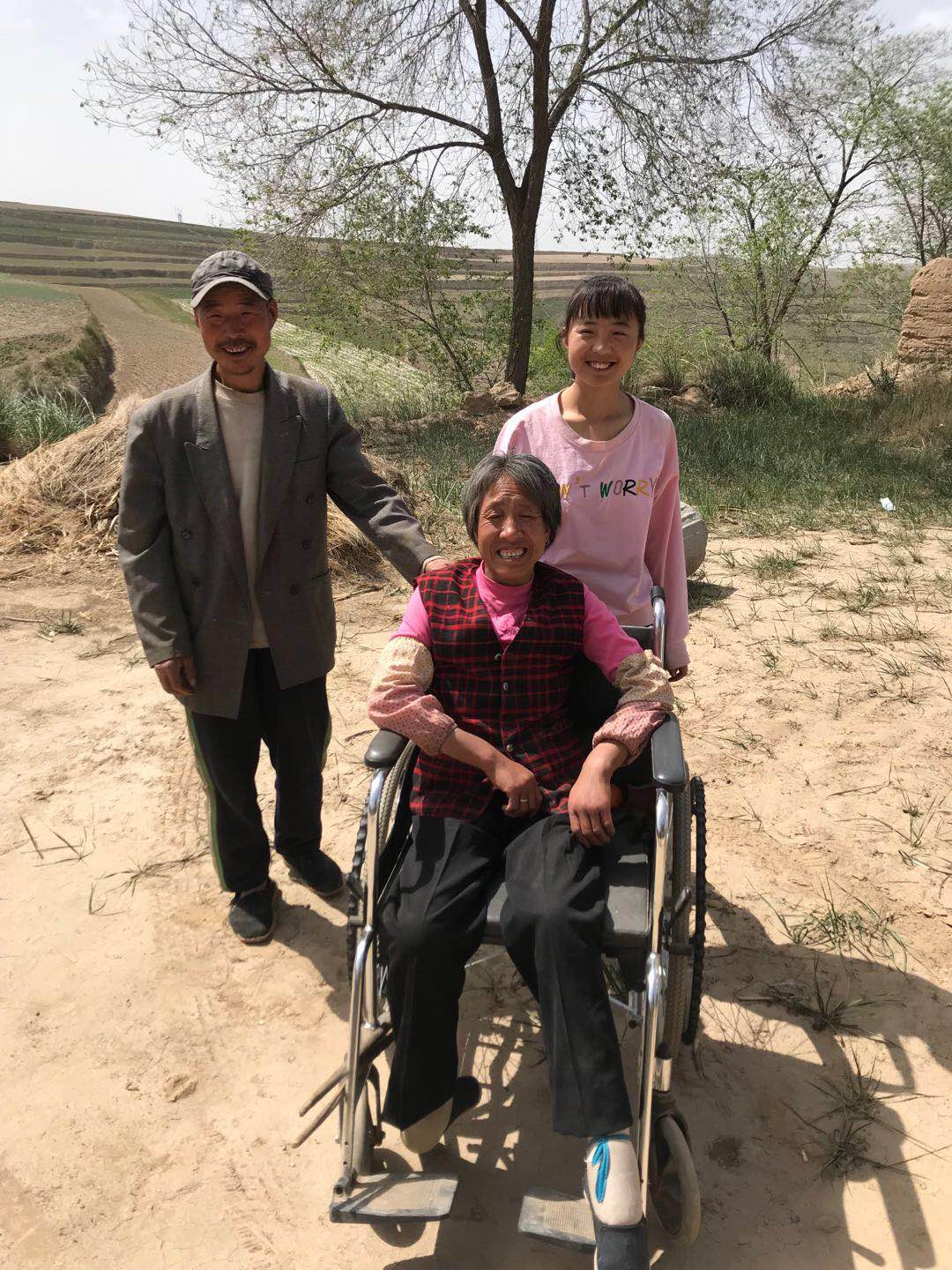
Zhang with her parents. /CGTN Photo
Zhang with her parents. /CGTN Photo
Zhang’s mother got into a bicycle accident in her early twenties and paralyzed her lower body.
She has been in a wheelchair for 23 years but still beams with optimism. "We can't help them much, but I never considered sending them off to work. I just hope they can focus on their studies and find a good job to put food on their plates and a roof over their heads. I can't give much but I will support whatever they choose to do eventually."
This is quite common in rural areas of western China. Students prepare their whole childhood for the national entrance examination, the Gaokao, in hopes of a better chance for life.
04:02
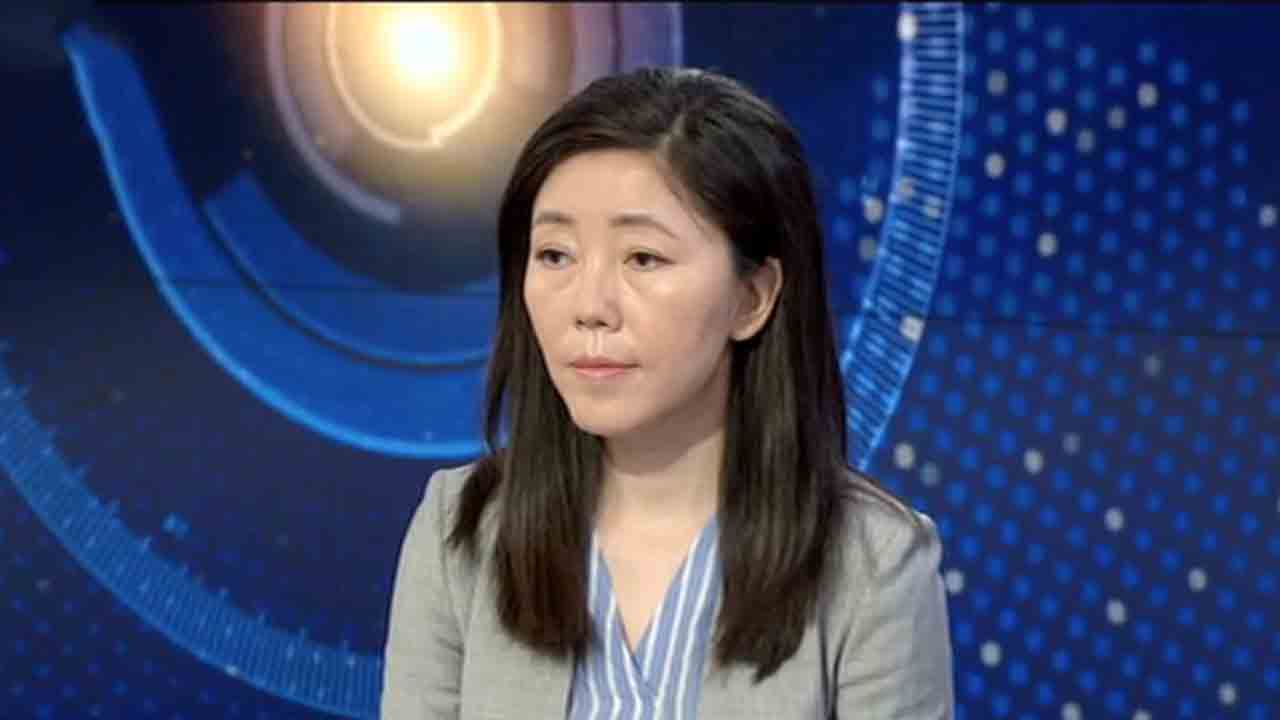
China's children go through immense pressure for the Gaokao, a once-in-a-lifetime pre-college exam that can help shape a person's future.
The gross university enrollment rate in China has been increasing gradually. Today marks the first day of this year's Gaokao.
Mandatory subjects that will be tested are Chinese, mathematics and English. Liberal arts students must take history, politics, and geography while science students must take physics, chemistry, and biology.
01:15
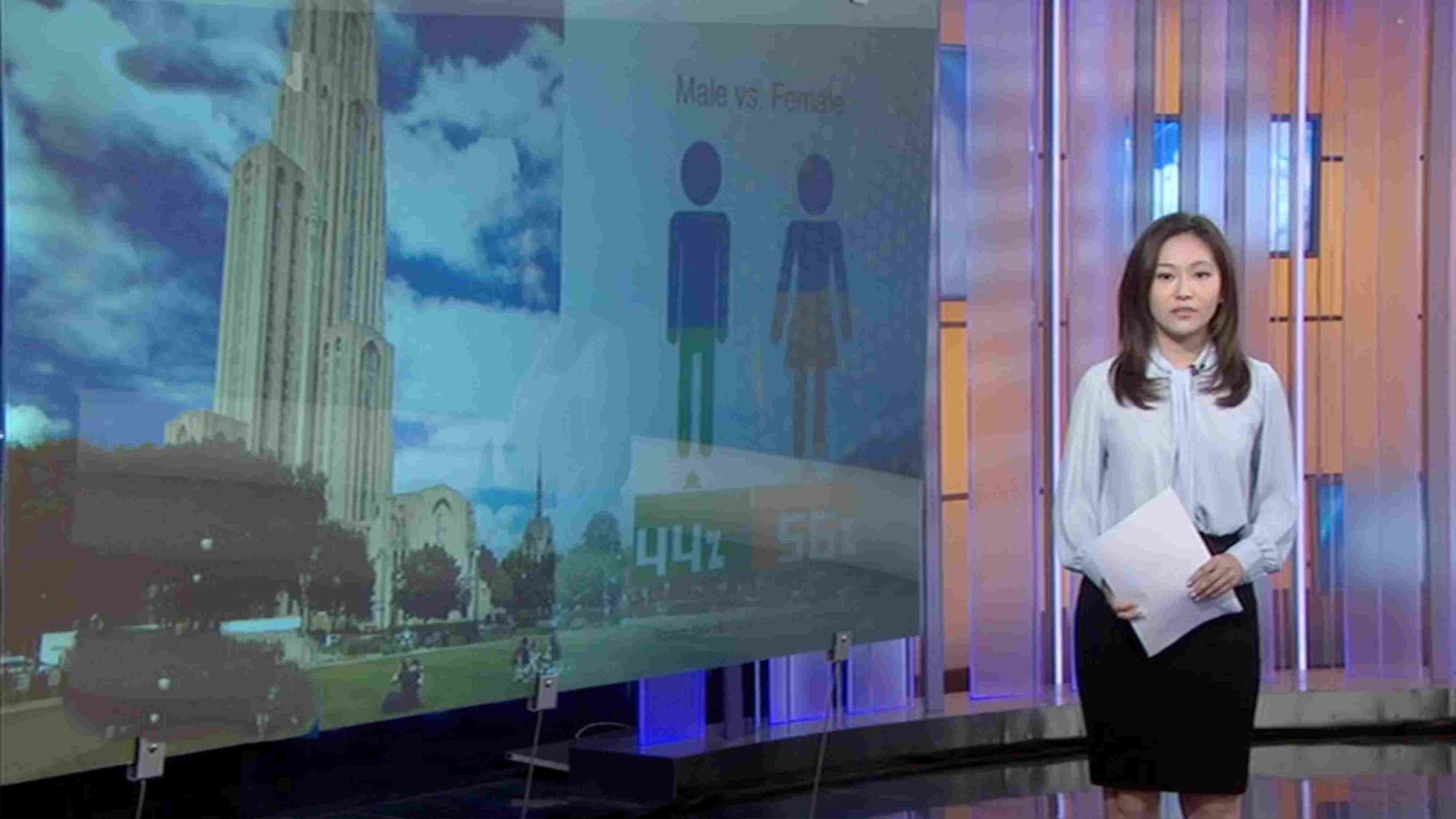
Let's take a look at the figures here. China's university enrollment rate reached 42.7 percent, a 12-percentage-point increase from 2012. According to the Ministry of Education, 53 percent of university students, and 50 percent of those in grad school in China, are female.
In China, a good education can be worth more than gold. The civil service exam that's a norm in the world today... was an ancient Chinese practice to ensure bureaucracy thrived as a meritocracy. This tradition dates back thousands of years ago.
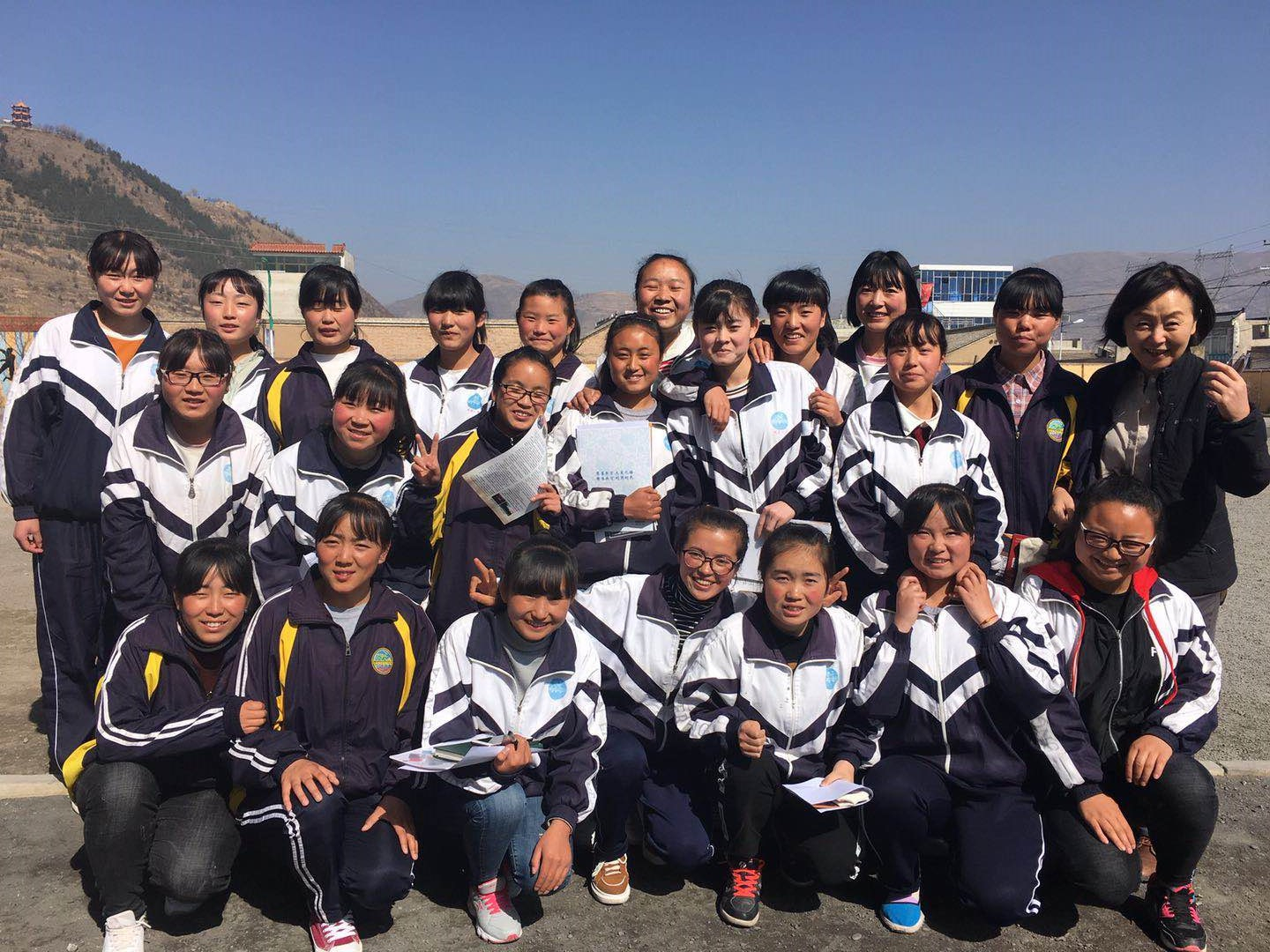
Photo credit: Educating Girls in Rural China
Photo credit: Educating Girls in Rural China
The number of high school graduates going on to study more is growing in China, in line with the nation's booming wealth. Improvements in gender equality in the traditionally patriarchal China are also evident in educational opportunities.
For most of these girls from rural villages, obtaining higher education is not only a financial challenge for the family but also a personal risk for going against gender norms and social expectations.