
 []
[]
Share







Copied
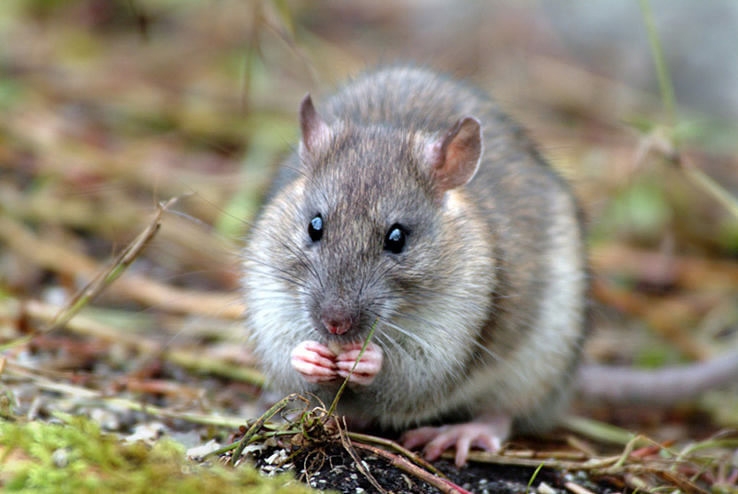
A sub Antarctic island has been officially declared "rodent free" for the first time in more than 200 years after the biggest pest kill in history. /VCG Photo

Rare seabirds are returning to nest in South Georgia in the South Atlantic which was discovered by Captain Cook. Invasive mice and rats arrived as stowaways on sealing and whaling vessels from the late 18th century onwards. They preyed on ground-nesting and burrowing bird species, eating their eggs and young. /VCG Photo
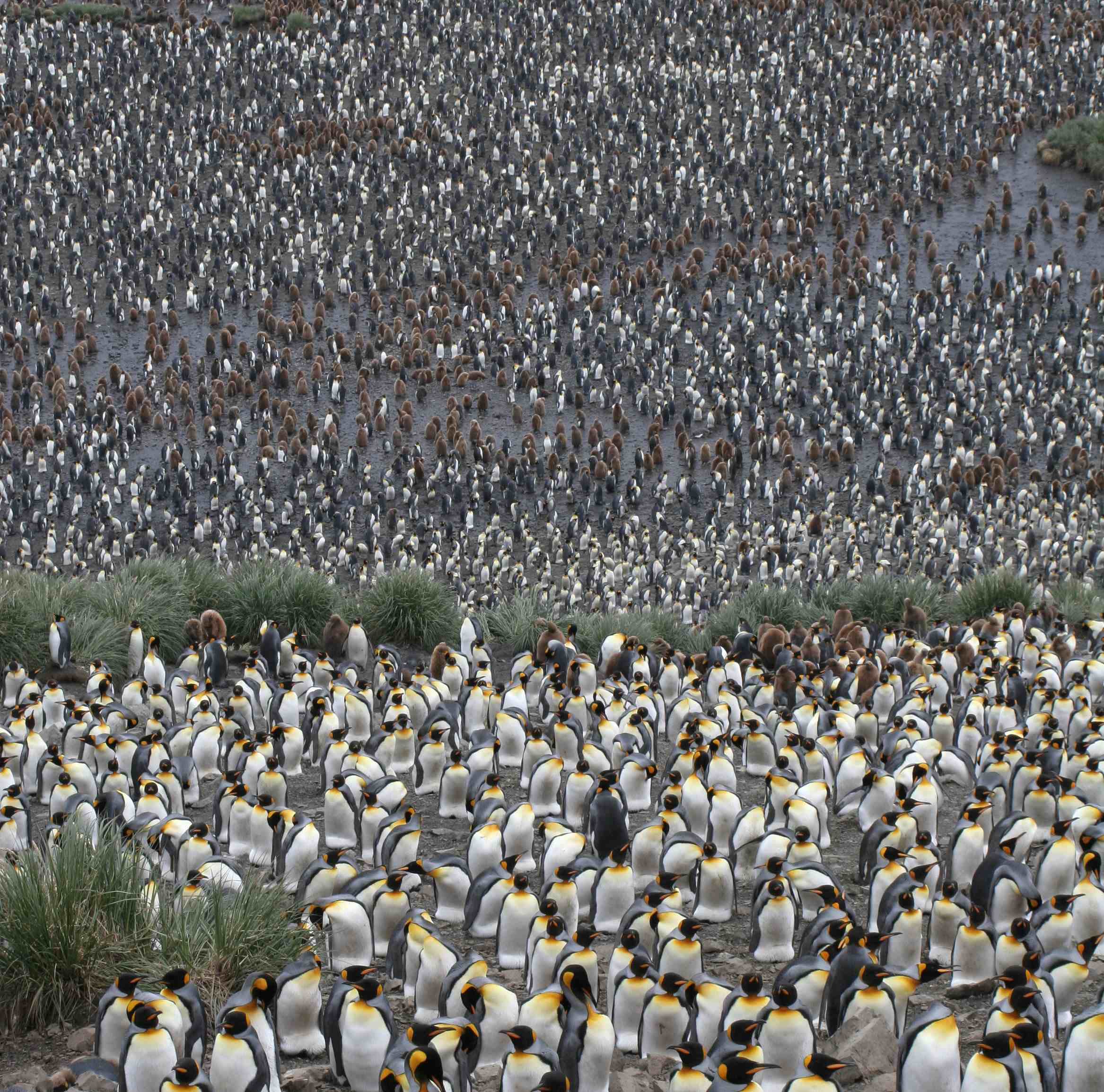
Two endemic birds found nowhere else on Earth – the South Georgia pipit and South Georgia pintail – faced being wiped out. The island is also one of the world's most important breeding sites for penguins and albatrosses. Local bird populations have been endangered ever since Captain Cook found and named the UK overseas territory in 1775. /VCG Photo