
Culture
19:09, 11-May-2018
Chinese street dancers shine on popular reality show
 ["china"]
Share







Copied

"Street Dance of China” – China’s first reality show centered on street dancing – has taken the country by storm this spring.
On the show, four celebrity team leaders – Yi Yangqianxi of the famous band TFBoys, famous singer and dancer Luo Zhixiang, actor and singer Han Geng and singer Huang Zitao – selected dancers from over 400 candidates to build the strongest teams of their own.
During its run from February 24 to May 5, the show’s 11 episodes accumulated 1.24 billion views on Youku, which produced original show.
Professionals, amateurs compete on the same stage
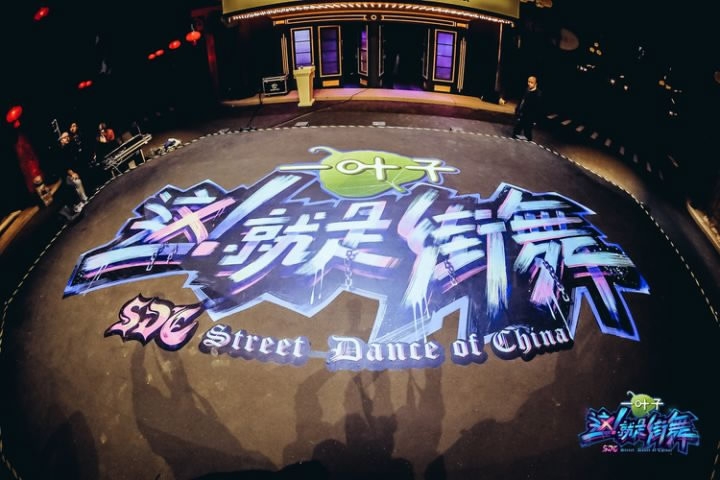
The "Street Dance of China" stage /Photo via the Internet
The "Street Dance of China" stage /Photo via the Internet
Almost all the competitors are street dance teachers or professionals, according to Lu Wei, director of the show. “That is amazing and brings surprising input,” he said. Others are students getting their shot to compete on the big stage against the very best.
Street dance is an urban art form that was born in the United States in the 1960s. But Chinese dancers have been combining this style with local elements since the 1980s.
“Many Chinese people love street dance. The street dance culture in China isn’t weak at all,” said Lu.
However, to help the audience better understand the show, captions were added to introduce every type of street dance when it was performed on stage.
Street dance is growing, but has a long way to go

Competitors perform on "Street Dance of China." /Photo via the Internet
Competitors perform on "Street Dance of China." /Photo via the Internet
For quite a long time in China, street dance was seen in a negative light. Over decades of development, it has become more and more popular and well received.
Data from the Chinese Dancers Association shows that China now has over 5,000 street dance training studios and around 5 million people are training every year. And more than 300,000 practitioners work in the street dance industry, which has an annual output value of over 9 billion US dollars.
However, people in the know point out that “income inequality” is something that bothers lots of the practitioners.
Xie Minghao, a senior choreographer, told online news platform “In Sight” that except for top dancers, many of the street dancers’ incomes are “unstable.”
“For ordinary street dancers, they can only make 15 US dollars for every class. Sometimes they can make just 160 US dollars or so for the whole week of training,” Xie said.