
Tech & Sci
15:45, 04-May-2018
Cars, the next big hit in the sharing economy
 ["china"]
Share







Copied
02:10
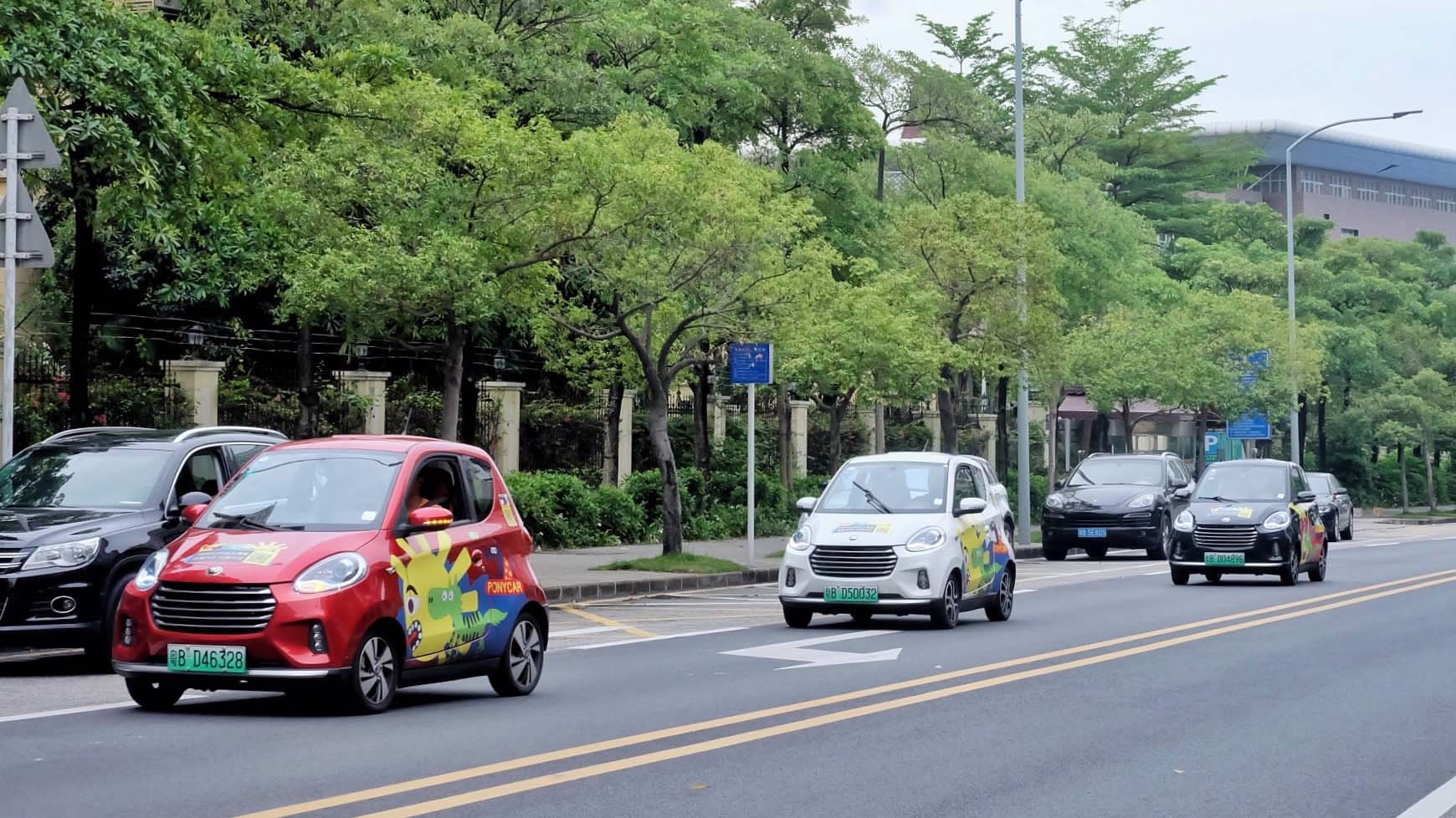
Yang Rongdong, a salesperson living in South China’s high-tech hub Shenzhen has now ditched buses, subways, or hailing a taxi. He now depends on car-sharing for his work commute each day.
Yang told CGTN that transition was easy, “It is all about being cost-effective. Public transportation doesn’t take me to the exact place. It’s often too crowded on the subway. And going by sharing-cars costs only about half of the taxi fare.”
He has to check and register the car's condition before and after on the app. But that’s about the only extra work.
Yang Shen, from the city’s top sharing-car service provider PonyCar, says five people will use one shared-car every day on average. And that’s one reason he thinks of the business as one with great prospects.
Yang, Co-founder and CMO with PonyCar said, “Car-sharing presents a price-range previously untapped. Cars are also put to much more use.”
2017 came to be a boom year for PonyCar, as it rounded in 450 million yuan in funding.
For the sector in China, all combined, it received some 76 billion Yuan or 12 billion USD in investment last year.
Yang Shen said the sector finally took off thanks to the boom with bike-sharing, “Bike-sharing was what made the whole idea of sharing economy really accepted by all Chinese. “
He also said market potential could trump that of the bike-sharing market, as sharing cars have yet to make inroads in all the third, fourth tier cities.
According to industry estimates, by 2020, more than 350 million Chinese will have their driving license. But more than 150 million of them will never actually own a car. And these are the people expected to get into car-sharing.
Forecasting the trend will catch on, China rolled out a national plan last August to promote car-sharing. It’s especially encouraging the use of small cars, and new-energy vehicles.
The same plan also encouraged the adoption of personal-credit-connected payment systems, widely viewed as a solution to problems like vehicle littering, damages that’s hard to track down.
For salesperson Yang, he took care with his ride each time, making sure he returns the car in the same condition it’s checked out. He has high credit rating now, and eligible to check out the latest models before others.
Yang didn’t get to buy a car in the first place because of the city's restriction in license plates. But for a year now, he’s just happy to share.