
World
12:14, 21-May-2018
DR Congo set to launch first Ebola vaccinations
 ["africa"]
Share







Copied
Authorities in the Democratic Republic of Congo were due to begin administering an Ebola vaccine on Monday in a bid to stall an outbreak of the fatal disease.
The UN's World Health Organization (WHO) has put the latest death toll at 25, with three new cases in the country's sprawling northwest confirmed by the country's health minister in a statement seen on Saturday.
Alarm bells sounded last week after the outbreak, previously reported in a remote rural area of the country, notched up its first confirmed case in Mbandaka, a city of 1.2 million.
The first wave of immunizations will target healthcare staff in the northwest who have had direct or indirect contact with ill patients, the Congolese government said.
Among them are Hilaire Manzibe, a doctor at Wangata Reference Hospital in the city, who described how he treated a patient on May 1 who arrived from Bikoro, the epicenter of the current outbreak, with symptoms of fever and vomiting.
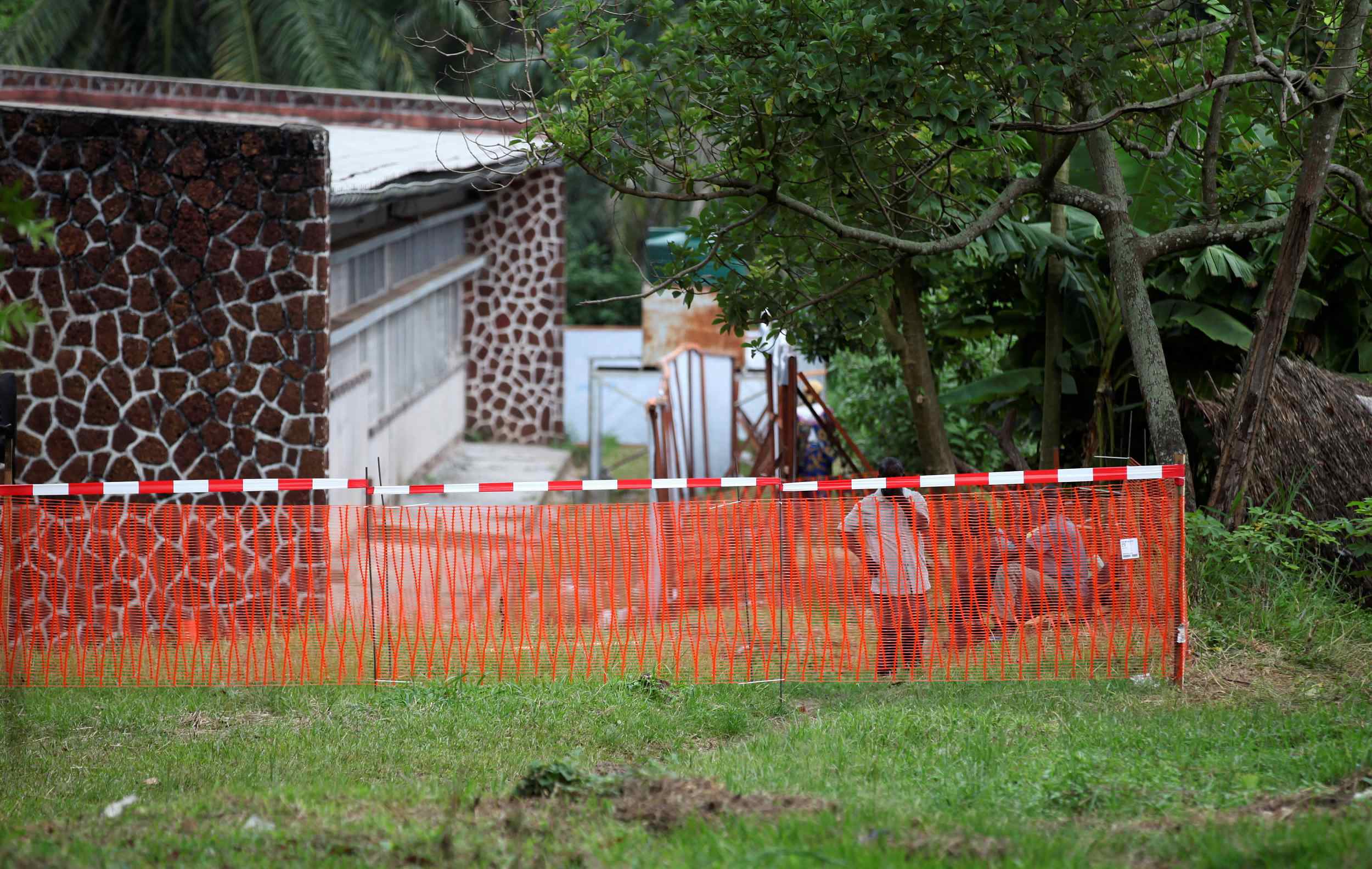
Medical workers are seen through a cordon ribbon in the area, near the isolation facility prepared to receive suspected Ebola cases, at the Mbandaka General Hospital, in Mbandaka, Democratic Republic of Congo, May 20, 2018. /VCG Photo
Medical workers are seen through a cordon ribbon in the area, near the isolation facility prepared to receive suspected Ebola cases, at the Mbandaka General Hospital, in Mbandaka, Democratic Republic of Congo, May 20, 2018. /VCG Photo
But the patient's family refused treatment and instead returned home to administer traditional medicine – a cultural hurdle that was one of the largest obstacles to overcome in the last outbreak which began in 2014.
More than a week later he returned, "the patient showed all the signs of the fever that has hit Bikoro," Manzibe said.
An isolation ward was prepared, but he succumbed to the fever.
"The patient was in contact with our receptionists, went to the doctor for a consultation and then was in my hands," explained nurse Julie Lobali, who will also receive a vaccination on Monday.
WHO has dispatched 35 immunization experts, including 16 mobilized during the last deadly outbreak in West Africa which began in 2013. The rest of the team is made up of newly trained Congolese staff.
Around 600 vaccinations are to be administered.
Donors had promised 300,000 doses of the vaccine, a government spokesman said, of which around 5,400 have already been received.
Not an international concern
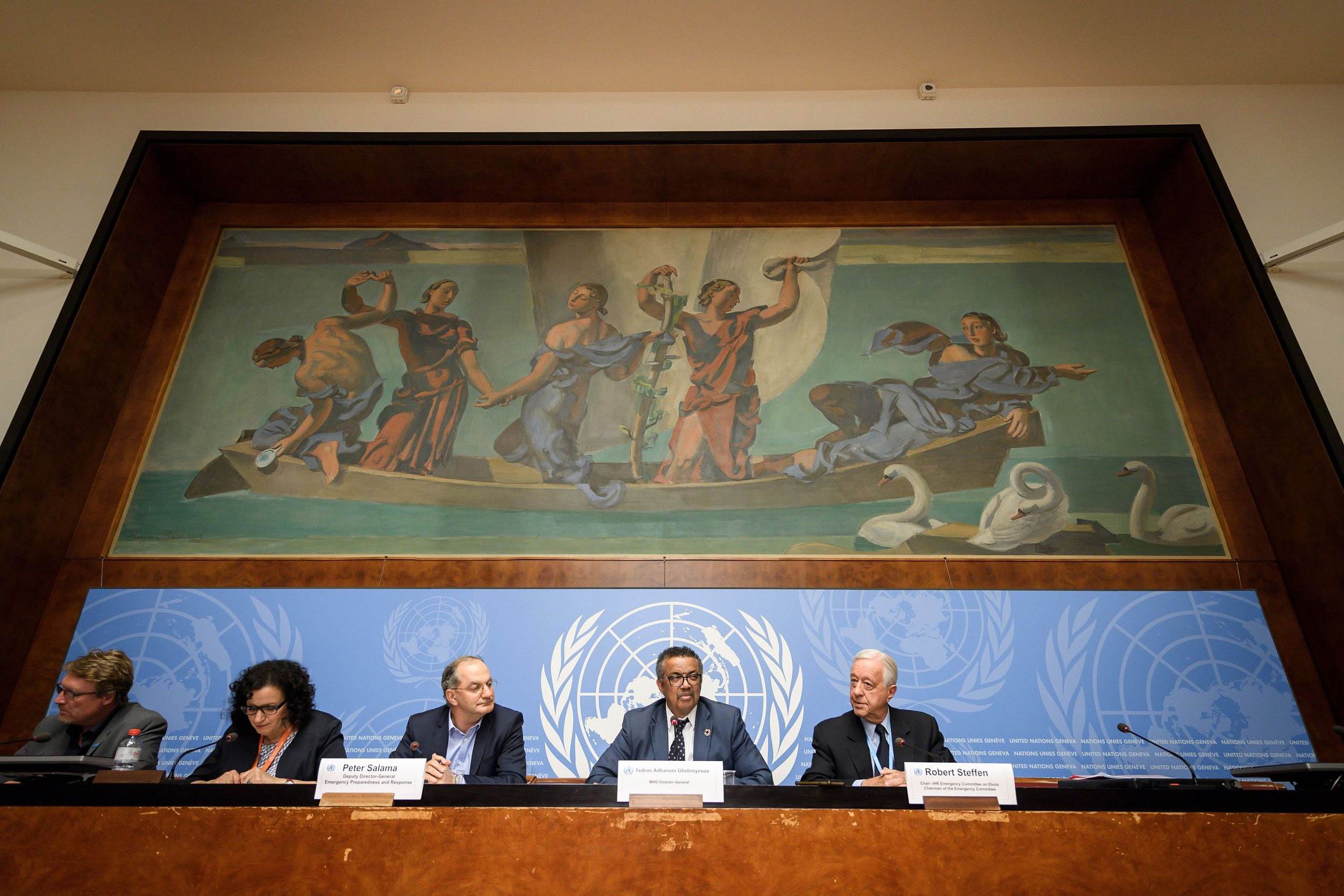
World Health Organization (WHO) Director General Tedros Adhanom Ghebreyesus (second from right), flanked by other top officials from the organization, addresses a press conference following an International Health Regulations Emergency Committee report on an Ebola outbreak in Democratic Republic of the Congo at the United Nations Office in Geneva, on May 18, 2018. /VCG Photo
World Health Organization (WHO) Director General Tedros Adhanom Ghebreyesus (second from right), flanked by other top officials from the organization, addresses a press conference following an International Health Regulations Emergency Committee report on an Ebola outbreak in Democratic Republic of the Congo at the United Nations Office in Geneva, on May 18, 2018. /VCG Photo
On Saturday, Health Minister Oly Ilungao said three new cases were confirmed in Mbandaka.
"In total, 43 cases of hemorrhagic fever have been flagged in the region of which 17 are confirmed, 21 are probable and five are suspected cases," he said.
In Geneva, WHO said 45 cases had been recorded, 14 of which have been confirmed by lab tests.
The WHO on Friday said the latest Ebola outbreak did not warrant being labeled an emergency of "international concern," adding that Kinshasa's response along with its own had been "rapid and comprehensive."
The government announced the outbreak of the deadly virus in northwestern Equateur province on May 8.
Ebola is both lethal and highly contagious, which makes it difficult to contain - especially in urban environments where people are mobile and come into more contact with others.
It is notorious for its high fatality rate and extreme symptoms, which can include internal and external bleeding.
The current outbreak - the ninth to hit the DRC since Ebola was identified in 1976 - involves the same strain of the virus that struck three West African countries in 2013-15 and sparked an international panic. It went on to kill more than 11,300 people in the deadliest ever Ebola epidemic.
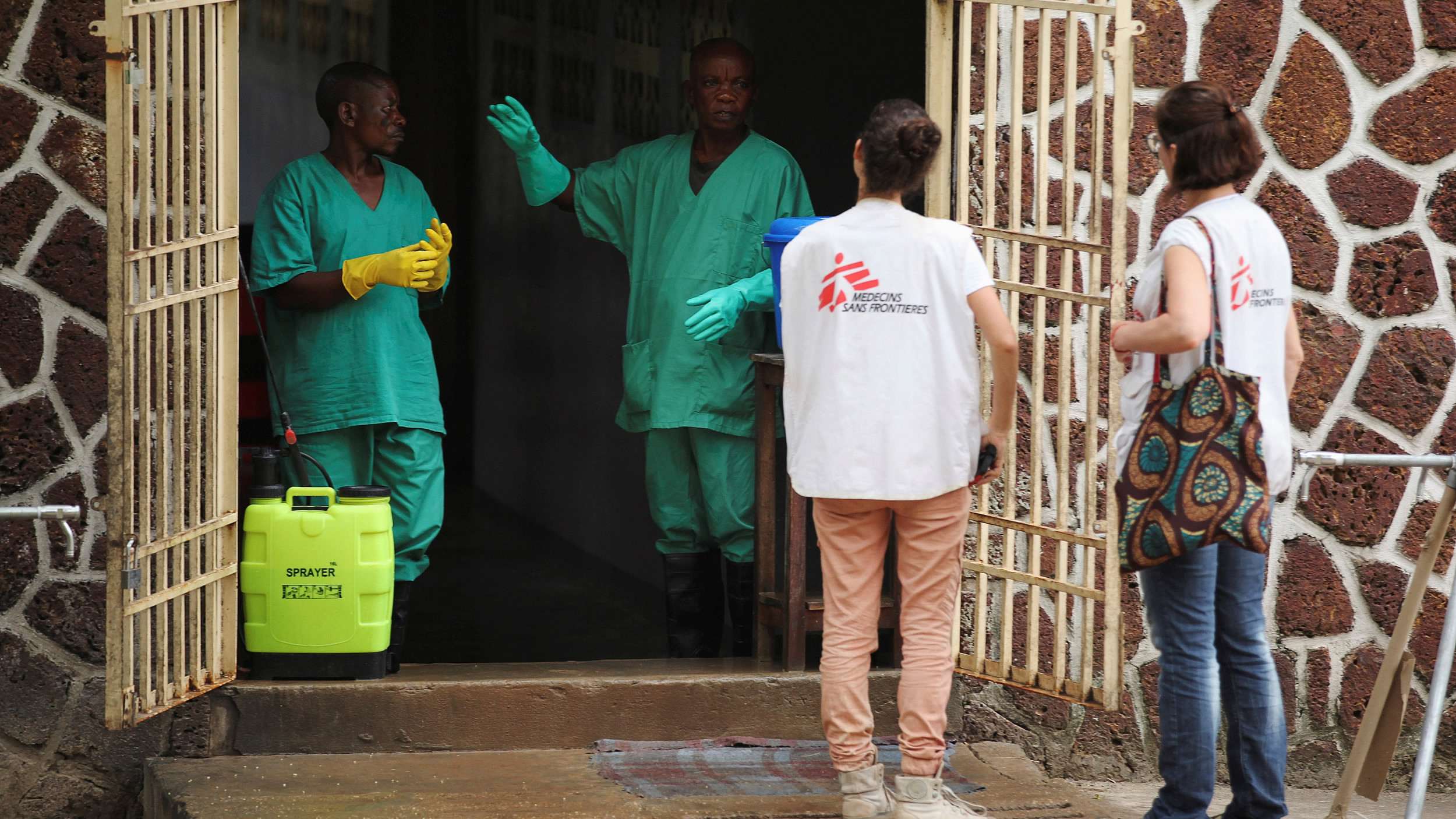
[Cover Photo: Medecins Sans Frontieres (MSF) workers talk to workers at an isolation facility, prepared to receive suspected Ebola cases, at the Mbandaka General Hospital, in Mbandaka, Democratic Republic of Congo, on May 20, 2018. /VCG Photo]
11276km
Source(s): AFP