
Culture
14:45, 19-Jun-2018
Two celebrity suicides within one week trigger a global conversation about suicide
 ["china"]
Share







Copied
Startling new numbers are out on suicides in the United States. A study shows rates have increased about 30-percent in the past two decades. While the majority of cases are still men and boys, the rate for girls and women is on the rise.
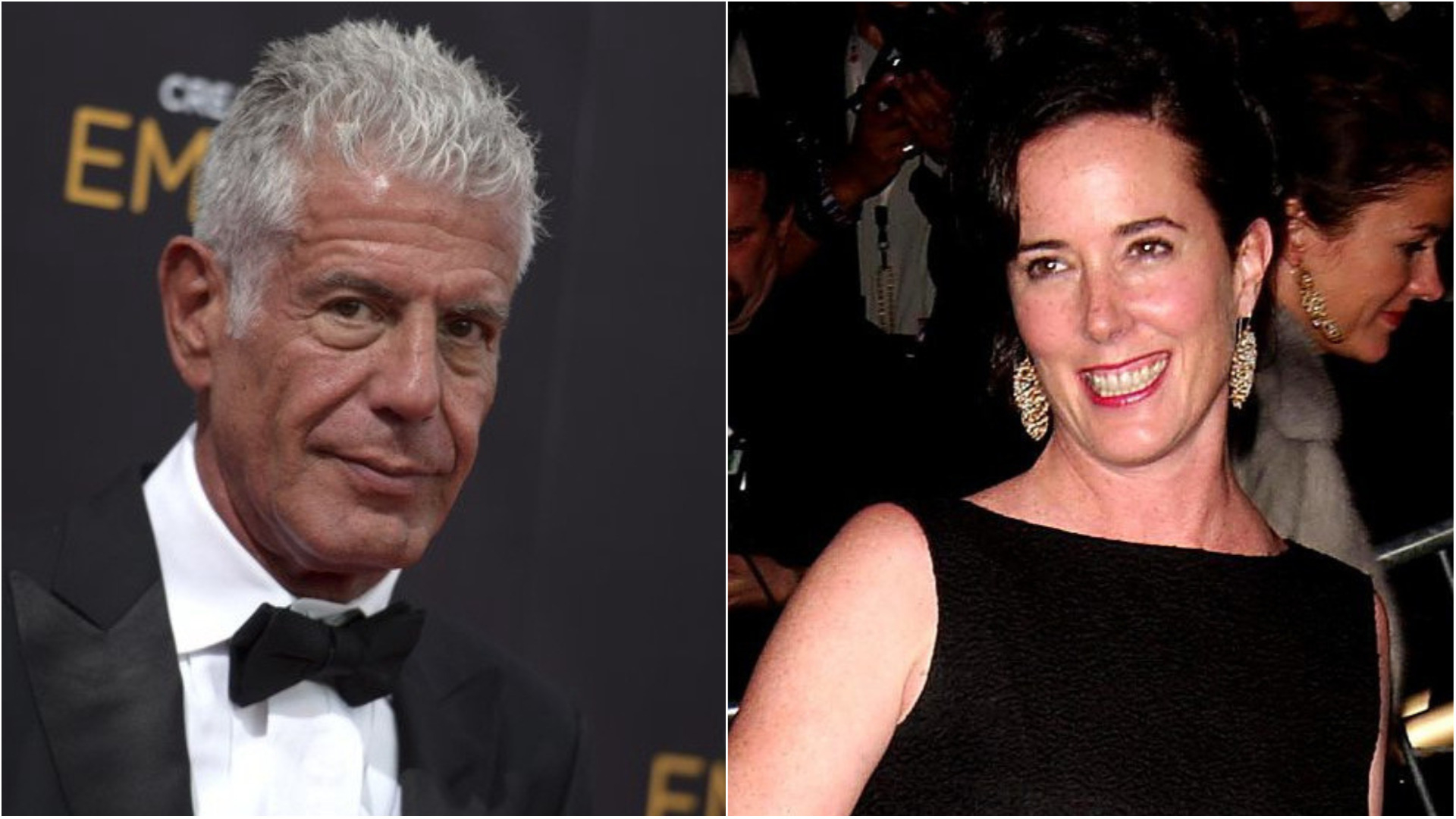
Suicide and its triggers have recently sparked a huge conversation in the US following the deaths of two American celebrities, just days apart.
It was on June 5 that the world learned that Kate Spade had taken her life. The tributes quickly followed for the designer, known for creating a global empire centered around her handbags.
Chelsea Clinton tweeted her condolences.
Actress Lena Dunham did the same, writing, "My heart breaks for her family. Thank you, Kate, from one of the millions you made feel beautiful."
Three days later, news broke that celebrity chef and TV host Anthony Bourdain had also committed suicide.
Jennifer Michael Hecht, author of "Stay: A History of Suicide," was friends with Bourdain in the 1980s and 1990s.
"It's not like the idea of it in abstract would have been impossible for me to imagine, but I'm completely shocked," she said.
The back-to-back suicides of these high-profile individuals who seemingly had it all shocked many people around the world, and has triggered a conversation around suicide.
A new report from the US Centers for Disease Control and Preventionshows that in 2016, about 45,000 Americans took their own lives. That's nearly a 30-percent increase from 1999.
Hecht said despite the increase, the suicide rate is not at an all-time high.
"Suicide does trend over decades, and it was this high in the 50s and 70s depending on which group you're looking. What I want people to hear is don't die by trend," she said
Hecht worries that news of celebrity suicides could trigger others to take their own lives. Numerous studies have shown there is a contagion effect.
So how does one approach a loved one who may be struggling with suicidal thoughts? Mary Buser, former director of the Samaritan Suicide Prevention Hotline in New York City, said to start by being a good listener.
"Don't jump in with telling them things will be better tomorrow or this person has it worse than you or all of the things that are well-intentioned but they actually shut people down," Buser explained. "They kind of put you back in your shell, and you want the opposite. You want someone to talk."
Buser said it's hard to ever know what's going on in someone's head, but there are often clues that someone is in distress. Most suicides are among people struggling with mental health issues and/or substance abuse.
Kate Spade's husband said she suffered from a mood disorder. Anthony Bourdain wrote about his addiction problems in the past.
"Most people don't want to die. They want the pain to stop. So if a person starts to feel really hopeless like it will never get better, that becomes a very risky situation," Buser said.
That's when, she says, professional intervention is needed in the form of psychotherapy, and in some cases medication.