
Politics
08:32, 27-May-2018
Ireland ends abortion ban as 'quiet revolution' transforms country
 ["china"]
Share







Copied
02:27
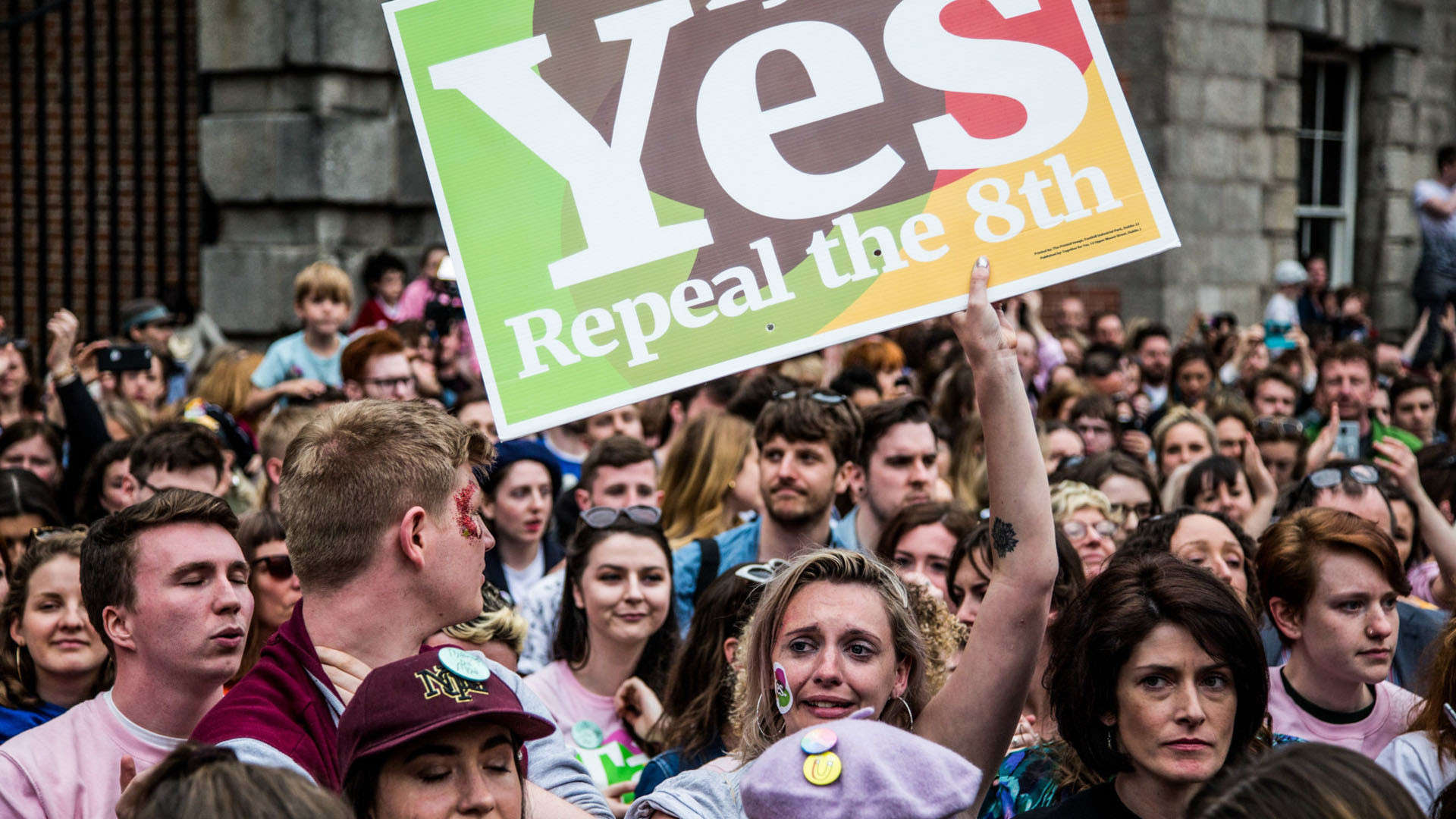
Ireland's prime minister on Saturday hailed the culmination of "a quiet revolution" in what was once one of Europe’s most socially conservative countries after a landslide referendum vote to liberalize highly restrictive laws on abortion.
Voters in the once deeply Catholic nation backed the change by a ratio of two-to-one, a far higher margin than any opinion poll in the run-up to the vote had predicted, allowing the government to bring in legislation by the end of the year.
"It's incredible. For all the years and years and years we've been trying to look after women and not been able to look after women, this means everything," said Mary Higgins, an obstetrician and Together For Yes campaigner.
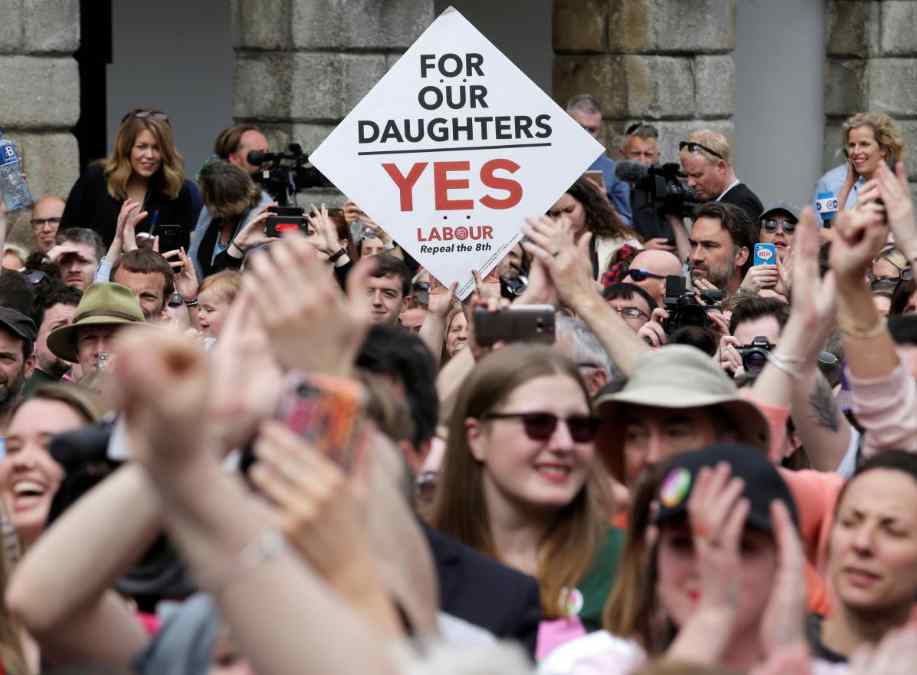
People celebrate the result of the referendum on liberalizing abortion law, in Dublin, May 26, 2018. /Reuters Photo
People celebrate the result of the referendum on liberalizing abortion law, in Dublin, May 26, 2018. /Reuters Photo
For decades, the law forced over 3,000 women to travel to Britain each year for terminations and "Yes" campaigners argued that with others now ordering pills illegally online, abortion was already a reality in Ireland.
The campaign was defined by women publicly sharing their painful experiences of leaving the country for procedures, a key reason why all but one of Ireland's 40 constituencies voted "Yes."
Prime Minister Leo Varadkar, who campaigned to repeal the laws, had called the vote a once-in-a-generation chance and voters responded by turning out in droves. A turnout of 64 percent was one of the highest for a referendum.
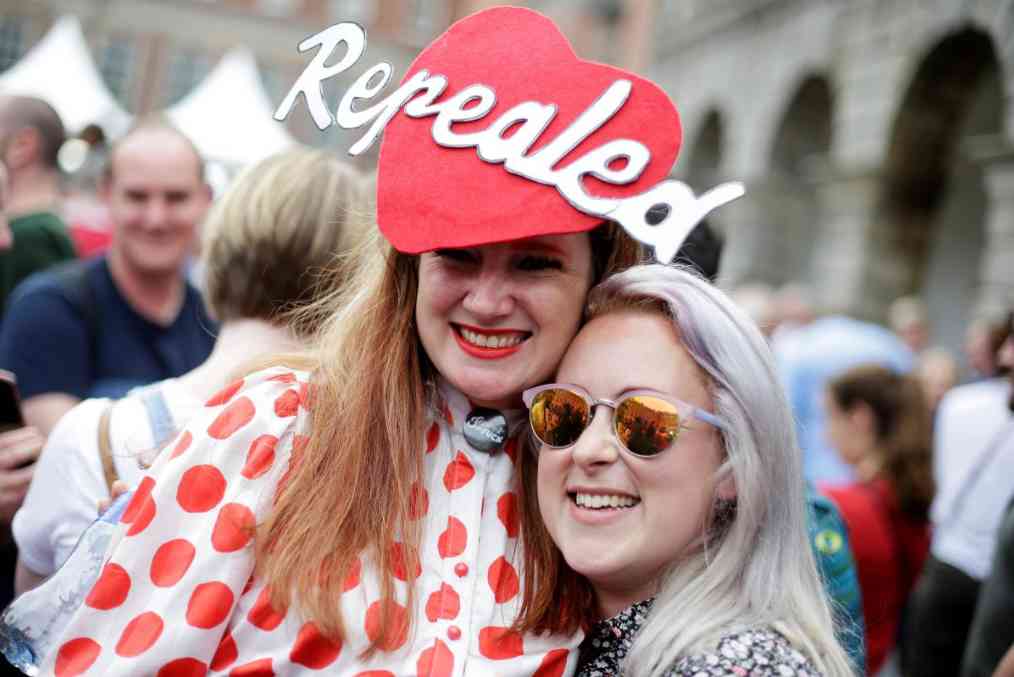
People celebrate the result of the referendum on liberalizing abortion law, in Dublin, May 26, 2018. /Reuters Photo
People celebrate the result of the referendum on liberalizing abortion law, in Dublin, May 26, 2018. /Reuters Photo
"Today is an historic day for Ireland. A quiet revolution has taken place," Varadkar, who became Ireland’s first openly gay prime minister last year, said in a speech after the vote.
"Everyone deserves a second chance. This is Ireland's second chance to treat everyone equally and with compassion and respect. We have voted to look reality in the eye and we did not blink."
Read more
The outcome is a new milestone on a path of change for a country which only legalized divorce by a razor-thin majority in 1995 before becoming the first in the world to adopt gay marriage by popular vote three years ago.
The once-mighty Catholic Church took a back seat throughout the campaign.
8293km
Source(s): Reuters