
China
22:28, 28-Apr-2018
Likes for leniency: Chinese traffic offenders to escape penalty if they gather online likes
 ["china"]
Share







Copied

Minor traffic offenders in one Chinese city could now see their penalties overturned if their social media posts about their misconduct receive enough likes.
Traffic police in Leshan City, in southwest China's Sichuan Province, introduced the new program last week, arguing that it is an educational tool for both the offenders and society.
The unusual initiative applies only to minor misdeeds such as illegal parking, but it has raised eyebrows on the Chinese blogosphere, with netizens slamming its legality.
"I parked illegally in a scenic spot in Leshan, and violated traffic regulations. I was caught red-handed by the police. Now I have a deep understanding of my mistake, please give me a 'thumbs-up'," one taxi driver wrote in a post on WeChat, China's most popular messaging app. Twenty "likes" later, he was able to get back his driving license, which was suspended after the incident.
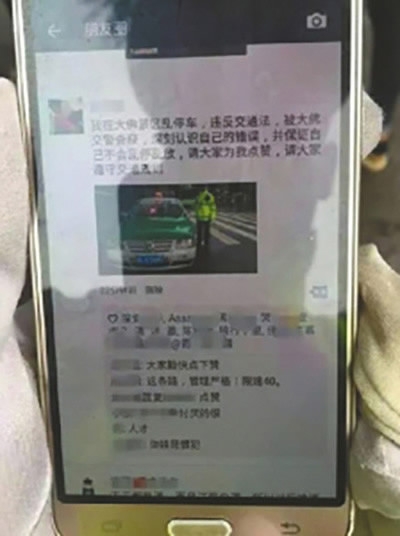
A taxi driver 's post on social media about his traffic offense /Photo via The Paper
A taxi driver 's post on social media about his traffic offense /Photo via The Paper
The cabbie's public apology might have saved him a lot of hassle, but many have wondered if admitting fault alone is enough to get anyone out of trouble.
Netizens have argued that there is no legal basis for such "like-for-leniency" arrangement and said that luring offenders to publicize their mistakes in return for exemption from punishment amounts to an invasion of privacy.
One netizen said, "If posting an apology on social media can reverse a punishment, then the traffic law and regulations will become a joke."
Traffic officers, on the other hand, have said the new method helps offenders reflect on their mistakes, and provide a valuable lesson to their circle of friends.
"The punishment is not the end goal, ensuring the safety of all travelers is the ultimate goal. This is the real meaning of this work," one policeman was quoted by Shanghai-based news outlet The Paper as saying.
The Leshan Giant Buddha Scenic Area, which was listed as the World Heritage Site by UNESCO in 1996, is a major draw from tourists. But large numbers of visitors have caused chaos to the surrounding traffic grid, leading to traffic jams. The congestion and frequent traffic violation cases have prompted the local traffic management department to experiment with alternative measures to get drivers to follow rules.
The inspiration came from other Chinese cities, which have previously introduced similar measures including Handan City in the northern province of Hebei and Jiangyin City in east China's Jiangsu Province.
1628km