
Tech & Sci
14:49, 09-May-2018
Latin America shifts gears on solar energy
 ["other","Latin America"]
Share







Copied
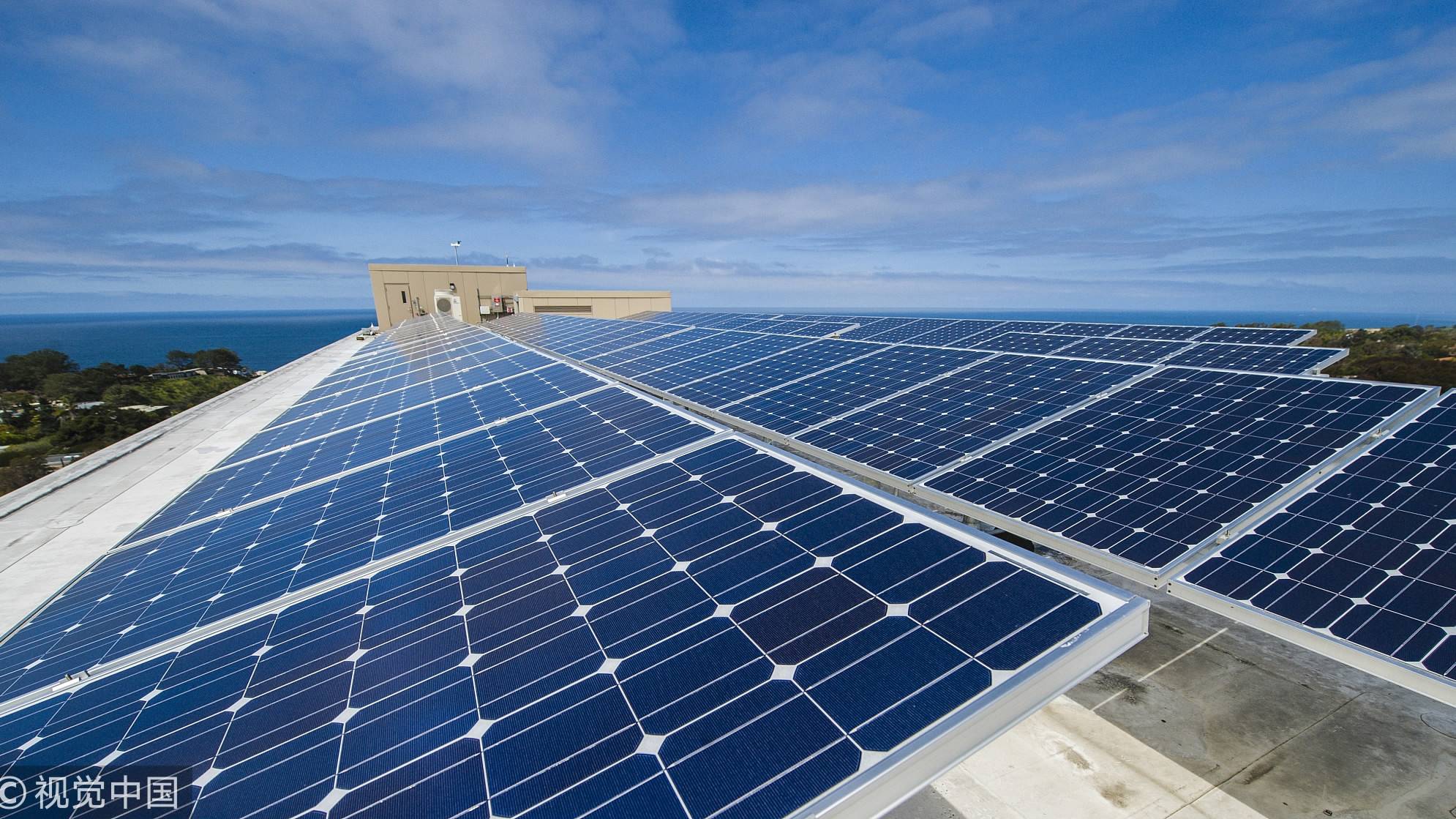
When it comes to sunshine, Latin America and the Caribbean is a region that has it in abundance. Yet, the use of solar electricity in the area is still minuscule.
But that appears to be changing.
The United Nations Economic Commission for Latin America and the Caribbean (ELAC), in its most recent report on foreign direct investment, said that most investments in renewable energy between 2005 and 2017 in the region were made in solar technologies (35 percent) followed by wind (32 percent).
"....The potential of new (energy) sources such as wind, solar and geothermal power has only begun to be harnessed," the Inter-American Development Bank says on its website.
However, such green energy sources still only account for about two percent of Latin America’s output, compared with a world average of six percent.
A new report by a Dutch think tank backs up the changing trends. Solarplaza says total renewable installed capacity in the region grew by 48.6 percent between 2006 and 2016, from 151.6 gigawatts to 225.4 GW, with solar photovoltaic (PV) experiencing the fastest growth over the past five years.
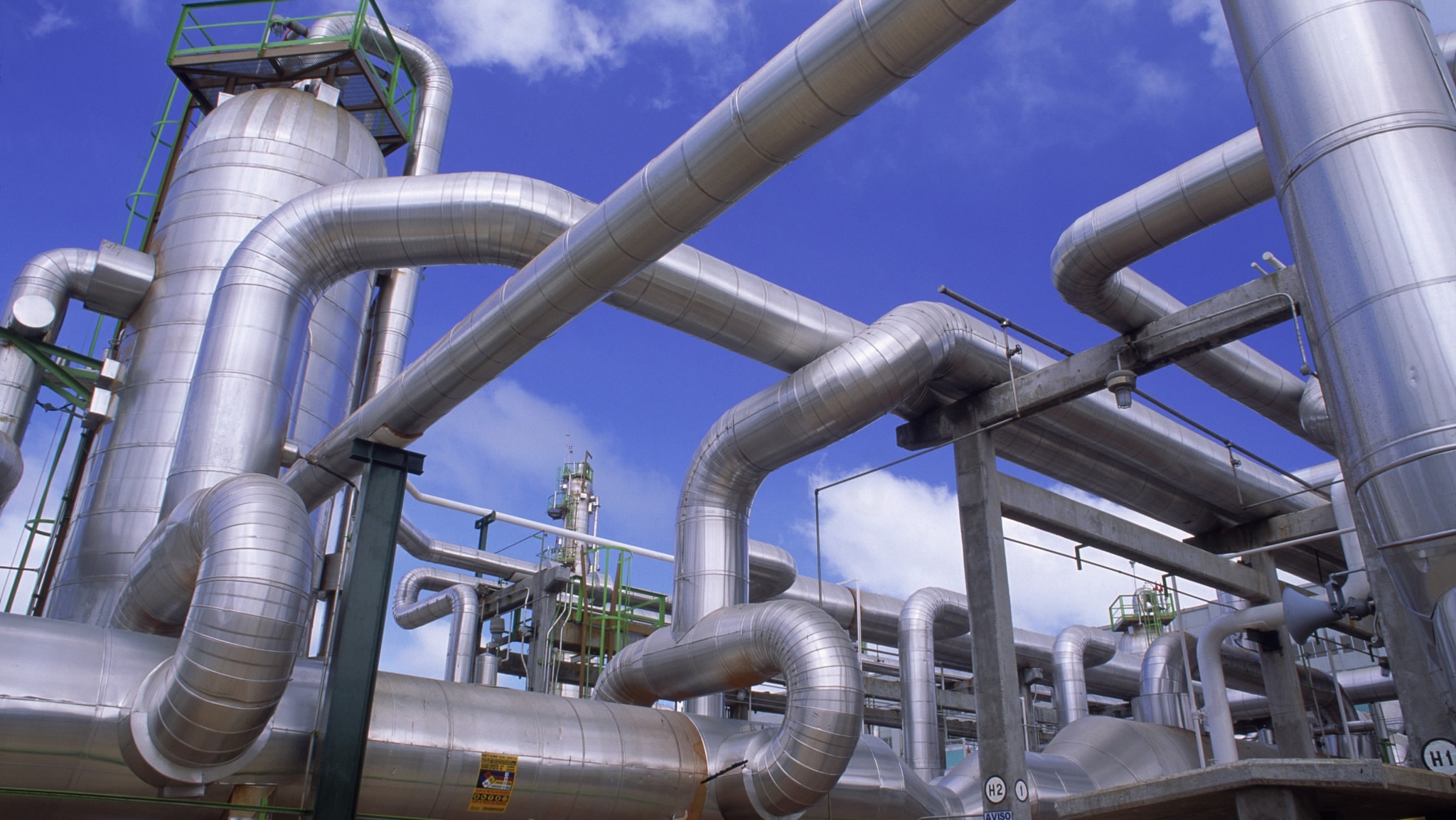
Countries like Mexico rely on fossil fuels for the bulk of their energy. /VCG photo
Countries like Mexico rely on fossil fuels for the bulk of their energy. /VCG photo
"Installed solar PV capacity is still relatively small in the region but has grown significantly in the past few years, primarily in Brazil, Chile and Mexico," the report says.
Falling costs have helped the trend toward increased investment. One estimate says the average price in power auctions for supplying solar energy in Latin America dropped by 87 percent from 2009 to 2017.
Costa Rica has become a sort of poster nation for renewables. In 2015, it went 299 days without using fossil fuels, in 2016 a little less at 271 and last year went past 300, though less than one percent of the power generation came from solar. The main sources were hydro, geothermal and wind, highlighting the diversity of the energy mix in the region.
On the other end of the spectrum, notes Solarplaza, are countries like Mexico, which relies on fossil fuels to generate three-quarters of its electricity, despite the huge potential for solar and other renewables.
"These differences may arise from the availability of fossil fuel reserves and hydropower opportunities, which is the case in, for instance, Argentina and Colombia, but may also be due to the economic situation of the individual countries and lack of financial resources to exploit these reserves," the report says.
Despite all that, the report states that over the last few years, Mexico’s solar industry has come "out of nowhere" to become one of the leading markets for solar energy around the world.
Its biggest PV project to date, the 754MW Villanueva project in the northern state of Coahuila, is scheduled to be completed in the second half of 2018.
The report cites the Renewables Global Status Report by REN21, a policy network, as putting investments in new renewable energy capacity in 2017 at 15.7 billion US dollars in Brazil, Mexico, Argentina and Chile alone.
But low PV prices, while positive for solar deployment thus far, pose a challenge to developers trying to finance low-rate return projects, GreenTech media has reported. It added, however, that the introduction of tax reforms, partnerships with development banks and funds for renewable-specific projects, and economic recovery at a broader level have helped to sustain regional renewable energy investment.
Hurricane-prone
In recent months, Brazil has overtaken Chile as the leader of cumulative PV installed in Latin America. The Portuguese-speaking nation installed more than 0.9 GW for a year-end 2017 total of 1.1 GW, though Chile was still able to surpass 2 GW in 2017 by adding around 0.4 GW to its grid.
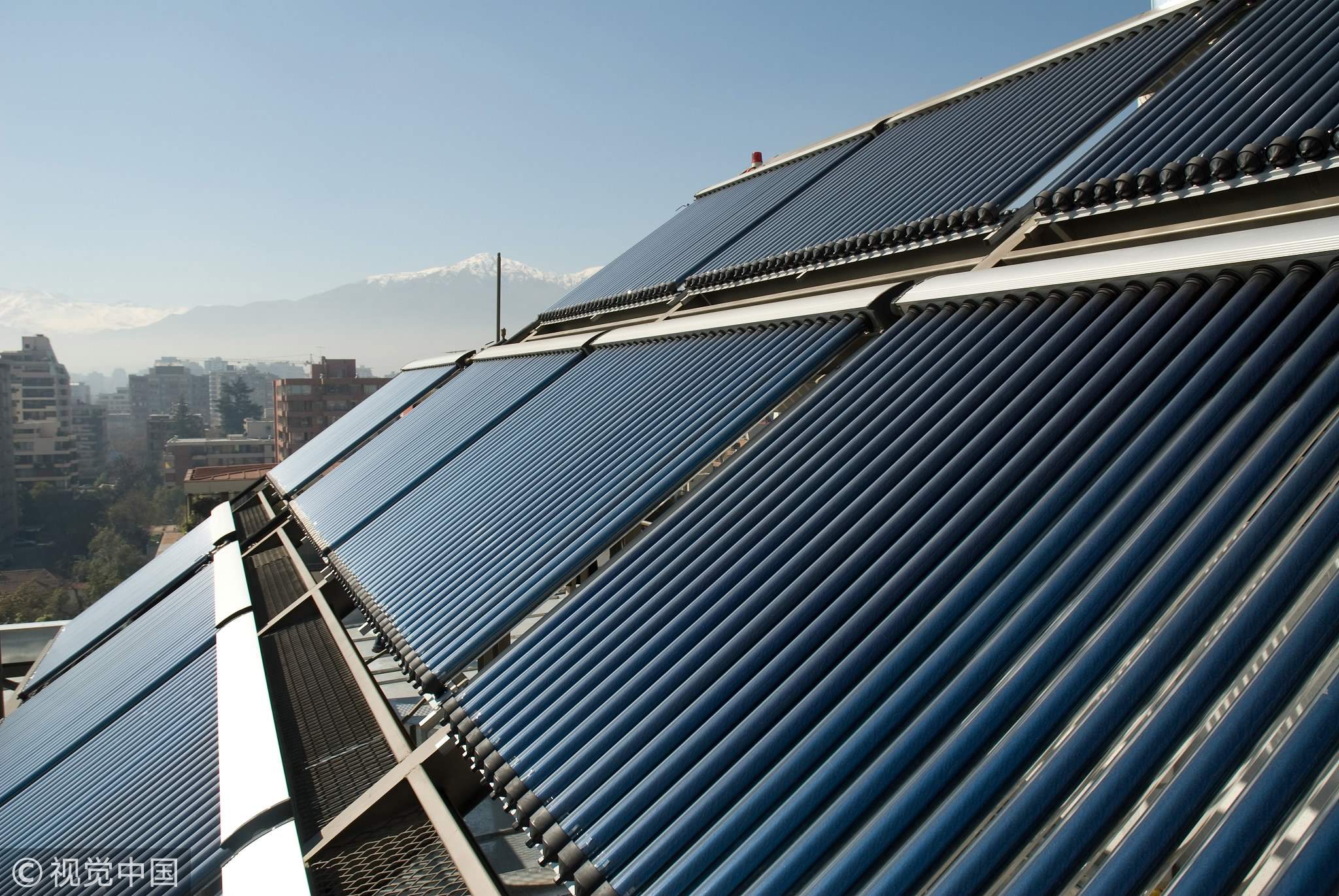
Solar panels in Santiago, Chile, a leader in solar energy in Latin America. /VCG photo
Solar panels in Santiago, Chile, a leader in solar energy in Latin America. /VCG photo
The Latin American market is on track to grow substantially, with a cumulative forecast of 41 gigawatts of PV demand installed between 2016 and 2021, according to GTM Research’s Latin America PV Playbook. It predicts that the region will represent 10 percent of global PV demand by the end of the decade.
Costa Rica has already shown what small nations can achieve, but the Caribbean, a hurricane-prone area filled with microstates, is lagging.
"High solar irradiation levels in the Caribbean are the main driver for the consideration of developing solar energy projects," Solarplaza notes. "However the region has yet to realize its full potential, both in large-scale and residential projects."
The strong storms that the Caribbean has experienced have helped to prod the switch towards cleaner energy, which has already become handy in times of disaster.
"Solar-plus-storage technologies have also been able to give relief to people living in remote locations in hurricane areas where it takes a long period of time to fix damages to the grid, such as Puerto Rico and Haiti," Solarplaza notes.
It concludes the report by saying, "The growth of solar in the region depends mainly on policy changes and financial instruments in key markets, as well as the establishment of renewable energy targets and actions systems that award long-term PPAs (power purchase agreements) to developers.
"The constant improvement of these measures and tools, together with the increase in frequency of natural disasters, will continue to push Latin America to move away from fossil fuels and accelerate its transition towards renewable energy sources."