
World
16:12, 26-Jun-2018
The latest burkini debate is about German swim lessons
Updated
15:05, 29-Jun-2018
 ["europe"]
Share







Copied
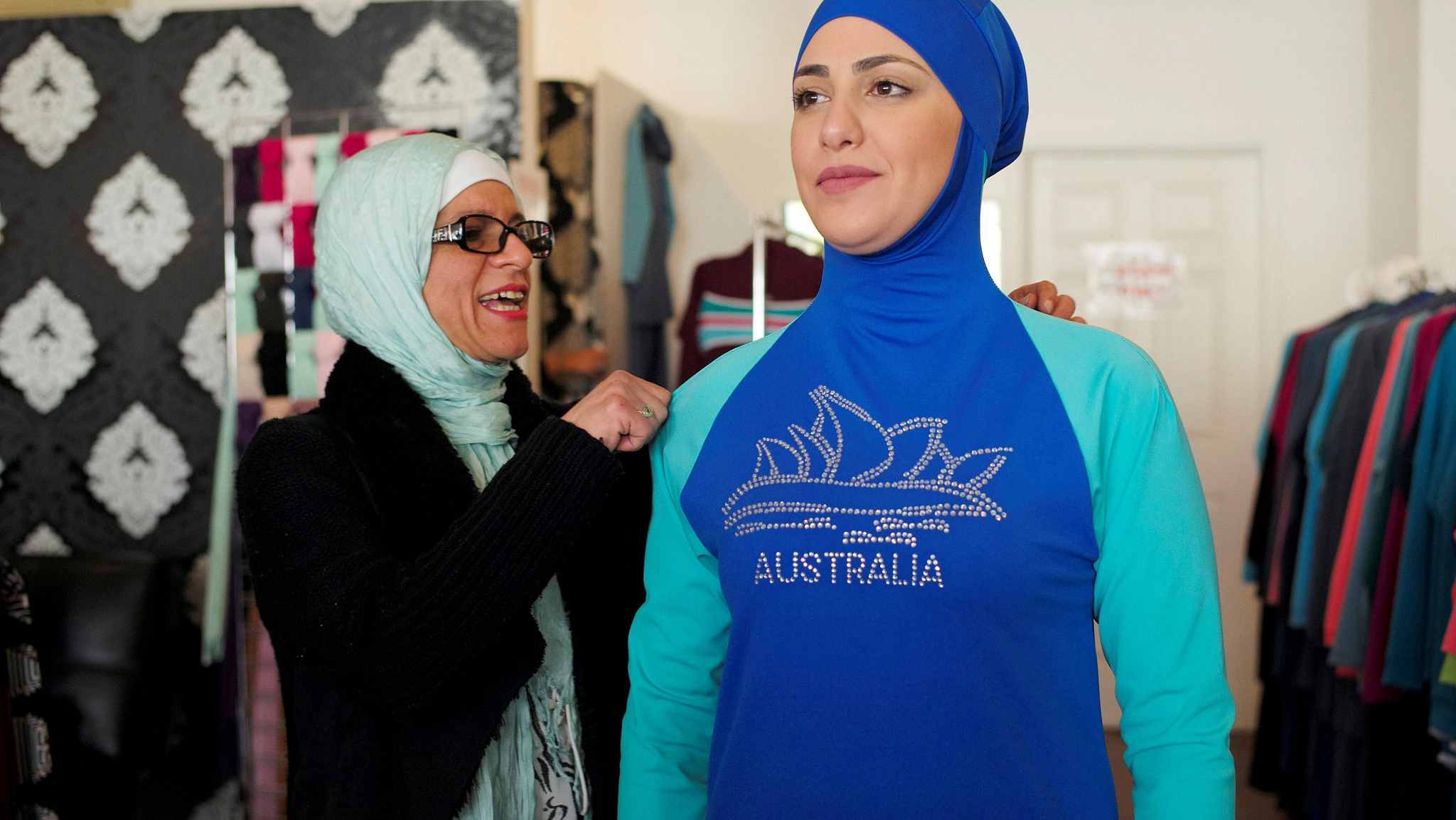
After several controversial attempts to ban the burkini – a bathing suit that covers all parts of the body except the face, hands and feet – the clothing item has found a new debate venue: German schools.
Franziska Giffey, Germany’s minister of family affairs, said on Sunday she supports girls being able to wear the garment during school swim lessons. "The most important thing is the well-being of the children and that includes being able to swim," said Giffey.
Her comments came after a high school in the state of North Rhine-Westphalia (NRW) offered burkinis to students so that they could attend their swim lessons.
The school says all the garments were paid for by private donations and is in line with other types of equipment and clothing purchases that allow students to participate in physical education classes.
When a burkini is not just a burkini
Anticipating the potential backlash, Giffey urged people to keep the topic on the issue of education, not for its associations with Islam. Helping integrate more girls into their swim lessons should not be "blown out of proportion” and made out to be “the downfall of the West,” she argued.
The warning did not stop lawmakers. Serap Guler, NRW’s integration minister, said the move sent “the wrong signal” and is a “misunderstanding of tolerance.” Germany’s minister of agriculture, Julia Klockner said that the burkinis in schools create a "misogynistic understanding in a place where children and teenagers are supposed to learn the opposite."
None of these comments go as far as Cannes mayor David Lisnard, when he tried to ban burkinis on the popular French Riviera beach: "The burkini is like a uniform, a symbol of Islamist extremism. This is why I am banning it for the summer."
Though often thought of it in religious terms, burkini buyers range from women who prefer to dress modestly to those who want extra sun protection.
Burkini inventor Aheda Zanetti wrote in a 2016 opinion piece that the burkini is “just a garment to suit a modest person, or someone who has skin cancer, or a new mother who doesn’t want to wear a bikini, it’s not symbolizing Islam.”
A court later overruled the ban in Cannes, stating that the garment was not a threat to public order.