
Opinions
23:13, 10-Aug-2018
Opinion: What deal can Japan reach with US amid global tensions?
Updated
22:26, 13-Aug-2018
 ["china","north america","other"]
Share







Copied
03:13
The top US and Japanese economic officials are continuing their trade negotiations in Washington. The talks are the first of their kind since the nations' leaders agreed to establish a "free, fair and reciprocal" trade deal in April. Both countries said they better understood each other's positions after discussions on Thursday and wanted to achieve results quickly.
However, the discussions are facing several sticking points, including access to Japan's agricultural market and potential US tariffs on Japan's auto industry. So given the difficulties faced by both sides, what will come out of the discussions?
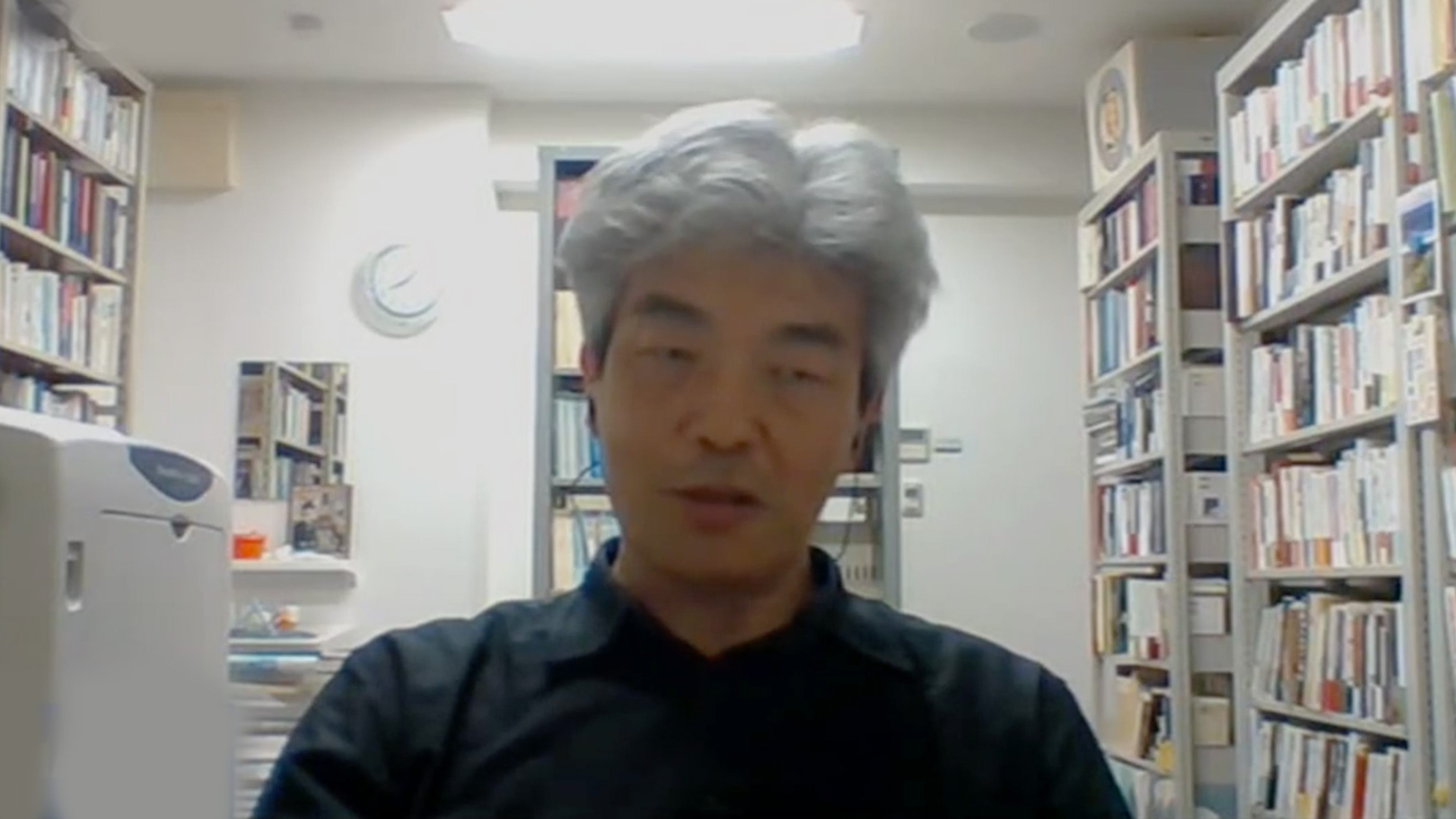
Kazuto Suzuki, professor of international politics at Hokkaido University, is pretty optimistic about what Japan could get from the talks. He said Tokyo has long experience in dealing with the US trade negotiation, and this time, Japan has more leverage. He said Japan has lowered the tariff on automobile down to 0 percent, but the US maintained its tariff of 2.5 percent.
Therefore, US would have to put pressure on opening Japanese auto market by removing non-tariff barriers, but it would be difficult to verify. Thus, Suzuki considers that Washington would not have much leverage on automobile side.
On agriculture, Japan says it is ready to accept the term defined in the Trans-Pacific Partnership (TPP), but US President Trump has retreated from the agreement. So Suzuki thinks there is some room for Japan to breathe in the talks as US has no justification to bring back TPP terms again.
The talks between Japan and the US come on top of escalating trade tensions between the US and China, both major trading partners of Tokyo. However, for the moment, the impact is limited as Japan's economy has grown more than expected in the second quarter. Suzuki thinks, in the long run, the pace of Japan’s future growth will be slowed though.
He said the current economic growth is a result of a global cyclical trend and is also helped by Abenomics, which may slow down if the US-China, US-NAFTA and US-EU trade war go on. He is worried that US President Donald Trump's hardened position will not help the global economy.
As Trump is waging a global trade war, Japan is looking to seal a proposed free trade agreement called Regional Comprehensive Economic Partnership (RCEP) with 15 other east and southeast Asian countries this year. Suzuki said this means Japan is refocusing its interest towards its Asian partners. He said Japan is committed to free trade and therefore interested in pushing the RCEP.
Moreover, as China and Japan both are facing protectionist headwinds from the US and both are staunch defenders of free trade, he thinks there also would be great potential for Beijing and Tokyo to cooperate in trade.