Martin Luther King Jr.: Fight continues after 50 years of his assassination
["north america"]
03:09
“I have a dream.”
That’s Martin Luther King Jr.'s famous quote from a speech calling for racial equality.
He was shot dead on April 4, 1968, and on the 50th anniversary of his death, we see that his fight for equality rages on.
But, what would King be fighting for today?
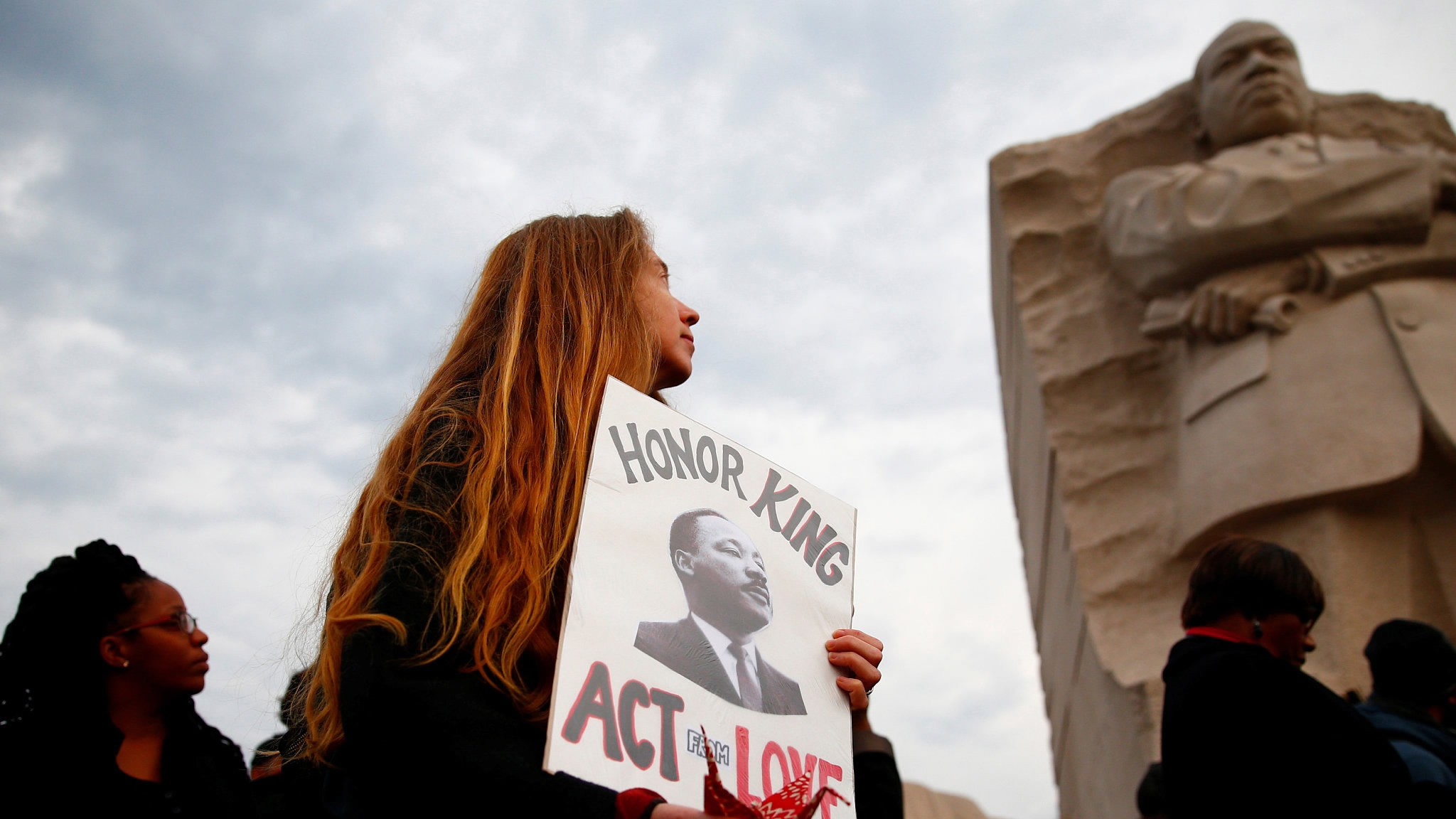
People commemorating the 50th anniversary of the assassination of Martin Luther King, Jr., gather at the Martin Luther King Jr. Memorial prior to holding a silent prayer walk to the National Mall in Washington, DC, April 4, 2018. /Saul Loeb/VCG Photo

People commemorating the 50th anniversary of the assassination of Martin Luther King, Jr., gather at the Martin Luther King Jr. Memorial prior to holding a silent prayer walk to the National Mall in Washington, DC, April 4, 2018. /Saul Loeb/VCG Photo

Unemployment and poverty

“We call our demonstration a campaign for jobs and income because we feel that the economic question is the most crucial that black people, and poor people generally, are confronting.” – Martin Luther King Jr.
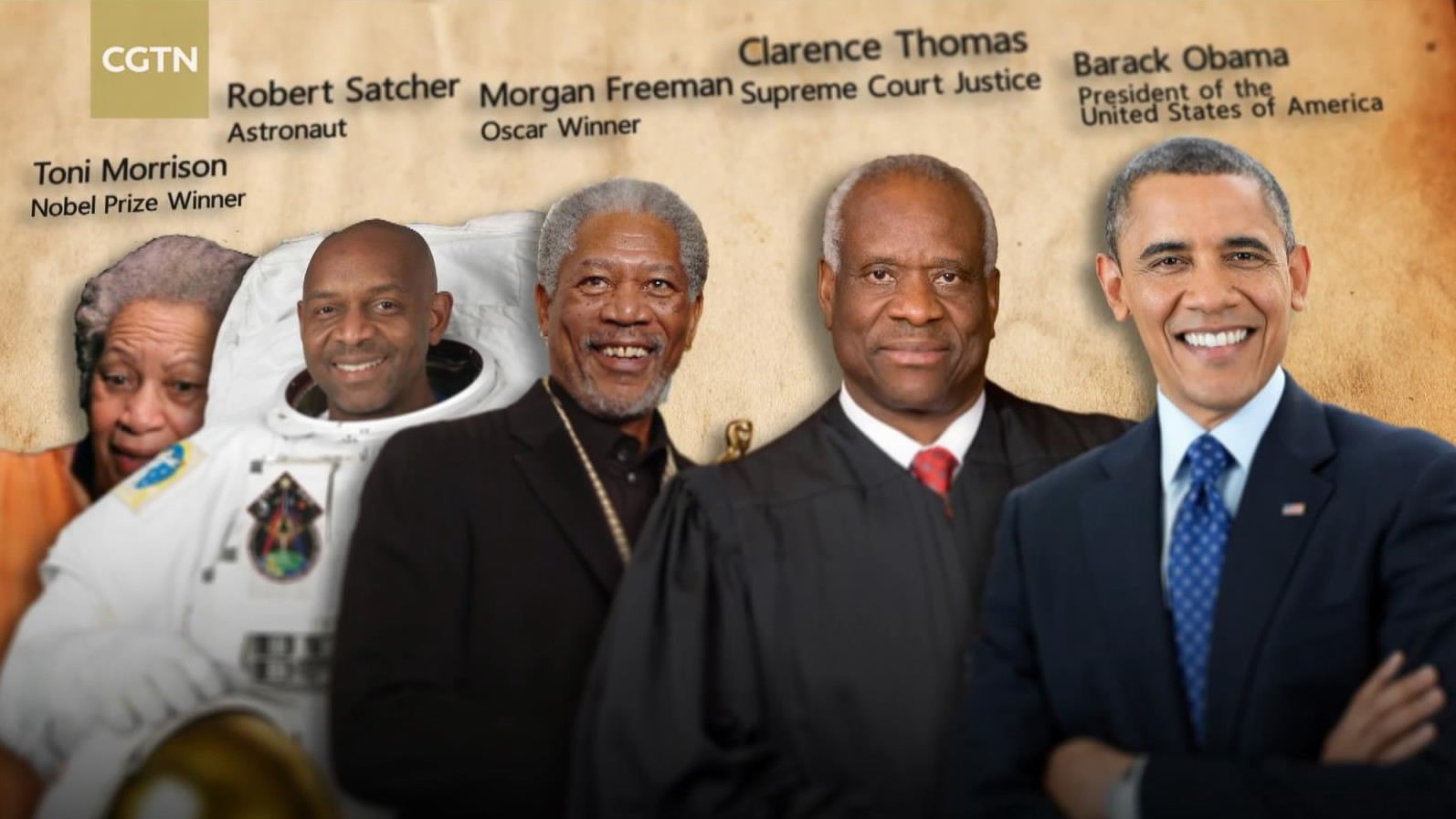
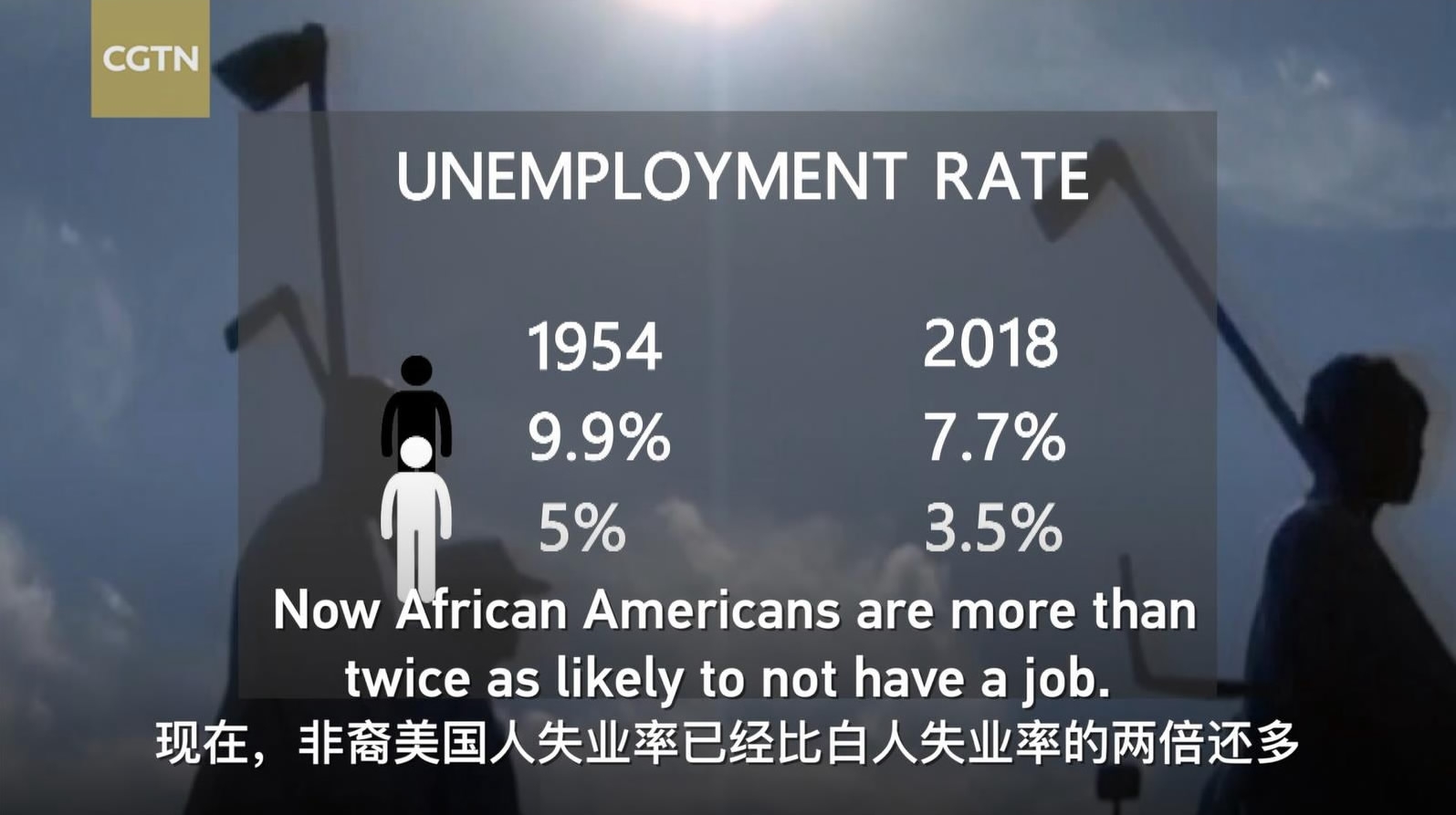
King’s speech was delivered at the “March on Washington for Jobs and Freedom” in 1963. When it comes to jobs, things have been improved for certain African Americans:
But for many others, things have got worse.
In the US, 22 percent of the black population lives in poverty, but the rate for whites is less than 9 percent.

Police brutality

“We can never be satisfied as long as the Negro is the victim of the unspeakable horrors of police brutality.” – Martin Luther King Jr.
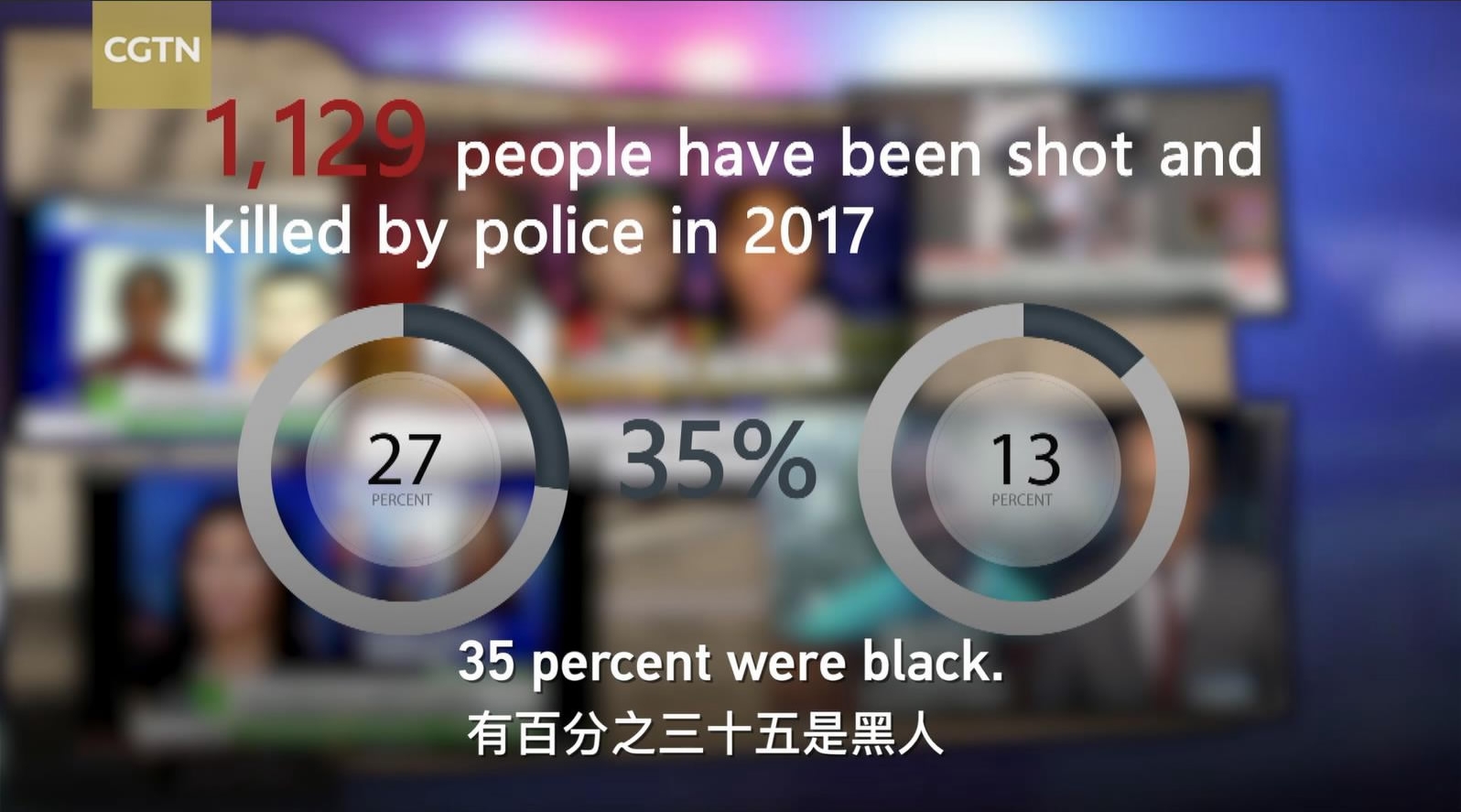
Black people are still disproportionately behind bars.
Famous cases include:
– Michael Brown, 18, who was unarmed but still shot dead during an altercation with a cop.
– Laquan McDonald, 17, was shot 16 times while walking down a Chicago street. He was carrying a knife.
– Tamir Rice, 12, shot dead by police responding to a call of a juvenile waving a gun inside a Cleveland park. He was holding a toy pellet gun.
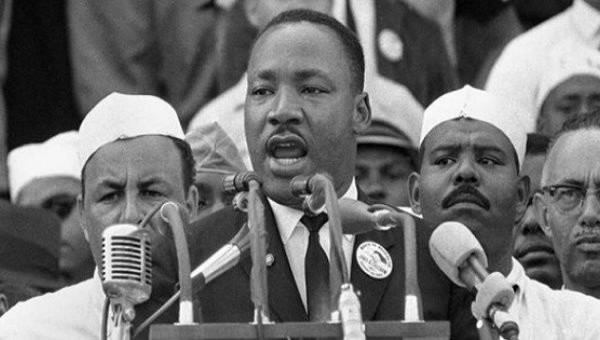
Martin Luther King Jr. addresses a crowd from the steps of the Lincoln Memorial where he delivered his famous “I Have a Dream” speech during the Aug. 28, 1963, march on Washington, DC. /Reuters Photo

Martin Luther King Jr. addresses a crowd from the steps of the Lincoln Memorial where he delivered his famous “I Have a Dream” speech during the Aug. 28, 1963, march on Washington, DC. /Reuters Photo

In 2016, experts at the United Nations Human Rights Council warned about "impunity for state violence" in the US, which has created a "human rights crisis" that "must be addressed as a matter of urgency.”
The challenges that King faced 50 years ago remain with us today, and his words still resonate strongly.

“I have a dream that my four little children will one day live in a nation where they will not be judged by the color of their skin but by the content of their character. I have a dream today!” – Martin Luther King Jr.