
World
14:04, 12-May-2018
Why having a pregnant bikini model matters?
 ["china"]
Share







Copied
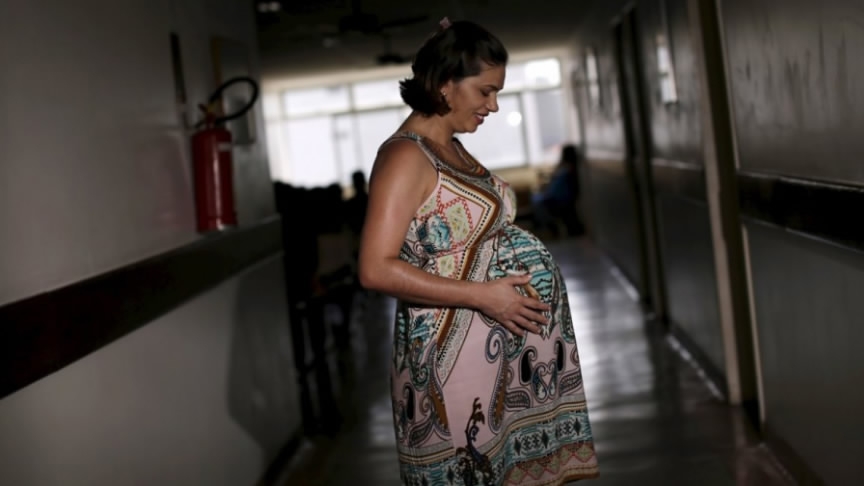
When we think about bikini models, we tend to think about the sporty and slender ones. But when Ana Claudia Michels, a Brazilian model who’s six months pregnant with her second child, walked the runway of a bikini show during Sao Paulo Fashion Week in 2018, the fashion crowd responded with applause.
Ana Claudia Michels joked about not having to hide her tummy in an interview, while the general public embraced the idea of having pregnant model on bikini show, as a triumph of fashion diversity.
Similar things happened last year when ELLE magazine in Brazil decided to have a plus sized fashion blogger on the cover, arguing that in the era of social media, influencers no longer have to look all the same.
All these changes show how fashion industry, and even the society is evolving.
Fashion industry evolving
Everyone wants to be represented and seen. Fashion is the first step for this. Today with the help of Internet that unites people, I see that every segment has formed its power and its voice, and fights for visibility.
Today it’s the market that creates the trend; it’s the people that are creating the trend. So the market has to look to the people, and look to what they want. So this diversity actually comes from the society, not from fashion itself, says Felipe Lago, a fashion commentator.
Most people would remember Gisele Bunchen on the opening ceremony of Rio Olympics. International model industry has never felt the shortage of Brazilian models. There are even hashtags, websites and magazines devoted to these people. But in reality, not everyone is, or can be Gisele Bunchen.
Data from Brazil’s national statistics bureau the IBGE shows in 2014 that more than half of the nation’s population is black or brown, while in Sao Paulo fashion week 2017, only 13 percent of the female model belongs to this crowd.
One reason why every move towards diversity is celebrated, also shows that in general, it’s just not enough.
Just not enough
The Fashion Diversity people are calling for is not some trend for this spring collection, but an actual evolution of social values. This kind of change doesn’t usually happen overnight, but we’ve seen that attempts have never stopped.
Brazilian Vogue reported in their January issue about a certain trend for “ugly shoes,” that designers are trying to blur the line between what’s pretty and what’s not, and replace it with a stronger individual expression.
There are swimwear designs for people who don’t have the perfect beach body; there are fashion shows where models are people with special needs, and there was this show during this year’s fashion week that all clothes were designed by prisoners.
Statements from different social groups
These are not, by definition, the traditional “fashion designs,” but are statements from different social groups. With the help of the Internet, this urge of individual and personalized voice is changing the fashion industry.
“In this ever changing digital world the market wants what money alone can not buy. I’ve seen it in the fashion industry designers do shows in little apartments or gardens…models of all ages, races and sizes,” said Anna Wintour, editor-in-chief with America Vogue.
Fashion reflects our times, as much as it sets the mainstream definition of beauty.
During a time when a pregnant woman can walk a bikini show, a plus-sized girl can be on the cover of a fashion magazine and people from different social sector can have their own fashion statements, it reflects how the fashion industry is growing with more diversity.