
World
12:27, 06-May-2018
Turnout under the spotlight as Lebanese head to polls in first parliamentary elections since 2009
 ["other","Lebanon"]
Share







Copied
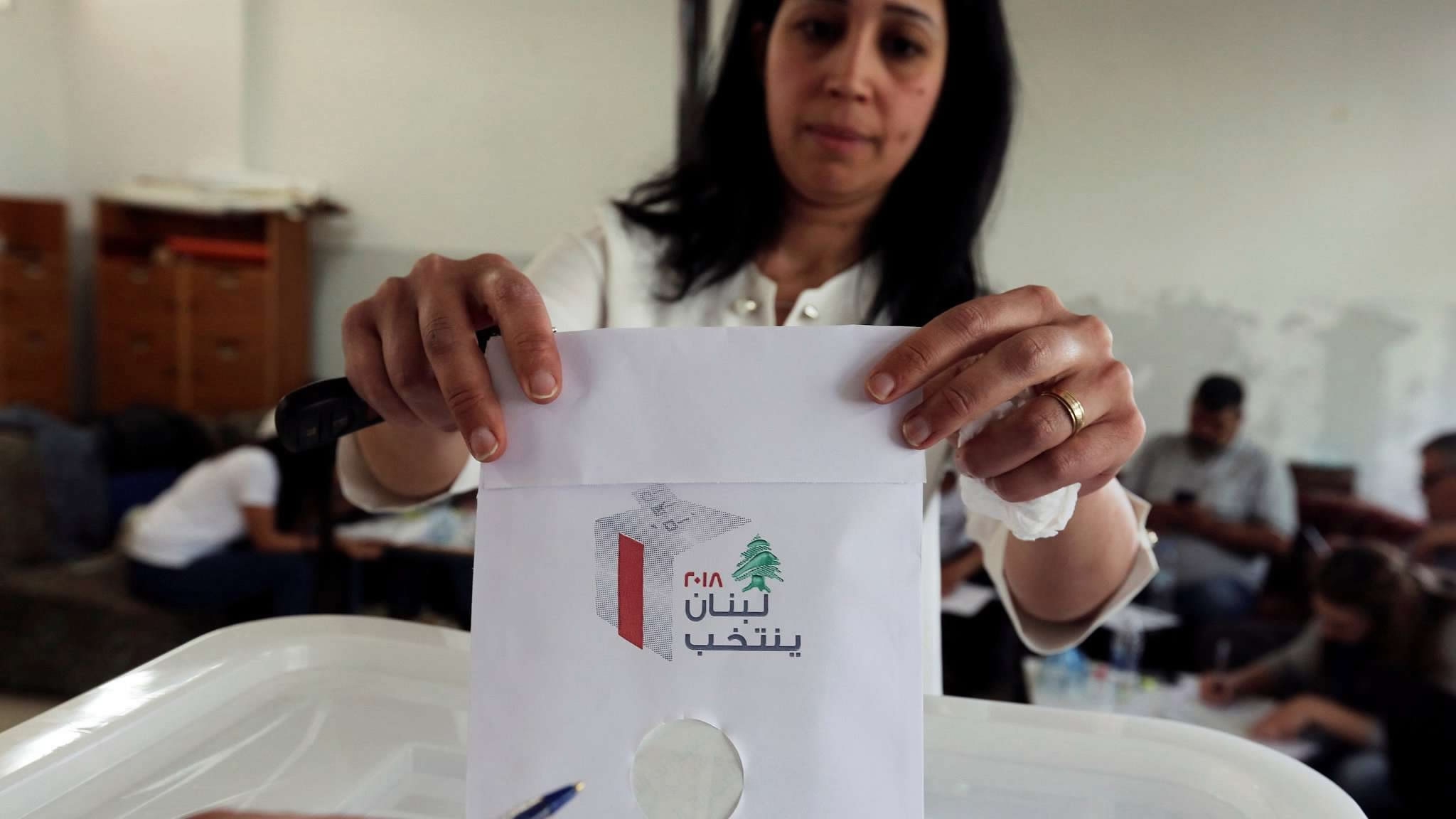
Polling stations opened at 07:00 local time (0400 GMT) as Lebanese choose their deputies in the first parliamentary elections since 2009.
More than 3.6 million voters, of whom 800,000 have never voted before, will cast their ballots under a new and complicated electoral law based on proportional representation, which was passed in 2017 to replace a majoritarian mechanism after a years-long deadlock in the parliament.
Under the new system, voters will cast two votes – one for a favorite list of specific candidates and another for a preferred candidate from that list. The seats will then be awarded proportionally under a complex formula, which has sent ordinary voters as well as political pundits scratching their heads.
A total of 587 registered candidates are vying for 128 seats in the parliament split equally between Muslims and Christians in line with the country’s confessional system – and then further divided among 11 sects.
Despite a surge in female candidates (83 this year in comparison with only 12 out of a total of 597 in the last elections) and independents (66 candidates), observers believe the new voter law still favors the sectarian elites that have ruled the country for decades under a system of clientelism and nepotism.
Analysts’ reservations over the new law’s ability to tear through entrenched sectarian lines stems in part from the opportunistic coalitions that rival political parties have formed. Seventy-seven strategic but sometimes strange alliances feature political blocs of opposing ideologies and overt resentment joining hands in certain electoral districts, while running against one another in other places.
Still, the Lebanese president has expressed confidence that the law would bring a more proportional government to power.
The new law would lead to a "100 percent accurate representation," President Michel Aoun told BBC Arabic during an interview that aired on the eve of the elections, saying he is "completely content with the law."
Lebanese expats have already cast their votes from abroad, in a first in Lebanon’s electoral history. The turnout rate stood at 59 percent, according to official figures, with Foreign Minister Jebran Bassil saying it reflected the "enthusiasm of [the] Lebanese." Of the millions of Lebanese overseas, only 82,000 registered to vote.
But for all the pomp from officials about the new law, an extended holiday to encourage voting, and a plethora of colorful electoral posters on the streets, there are real concerns about growing voter apathy. Rampant corruption, high unemployment rates, low wages, and the government’s failure to provide basic services, such as water and electricity, have dashed the hopes of political change in Lebanon.
Sunday’s vote will be a litmus test of the law’s appeal and popular confidence in the political system, but with collective despair and widespread distrust of candidates – many of whom either have been in power for decades or are new faces but with a long political pedigree – no positive surprises are expected.
The results of the parliamentary vote are forecast for Monday.
(With input from agencies)