
Opinions
23:10, 29-Apr-2018
Analysis: Trump leaves tiny space on trade, Iran despite Merkel's visit
 ["china"]
Share







Copied
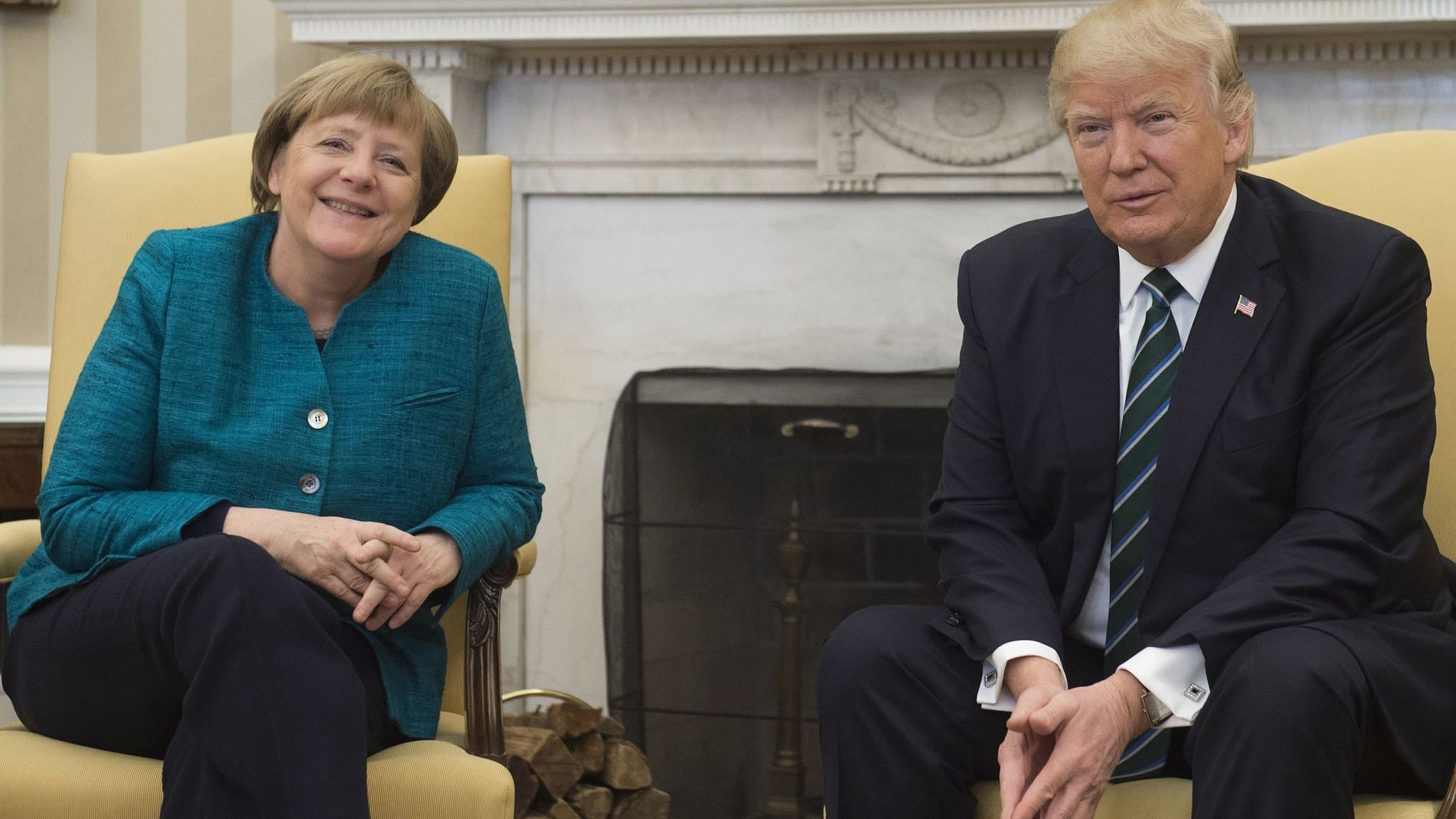
After a one-day US visit, German Chancellor Angela Merkel seemingly failed to close the gap on major disputes with President Donald Trump such as the Iranian nuclear deal and the trade frictions between the US and Europe.
Cui Hongjian, a senior research fellow and director of the Department for European Studies in the China Institute of International Studies (CIIS), spoke to CGTN about if the EU has lost all hope of rescuing the deal and the possibility of future trade friction between the EU and the US.
Has the EU lost hope of salvaging the Iran deal?
03:15
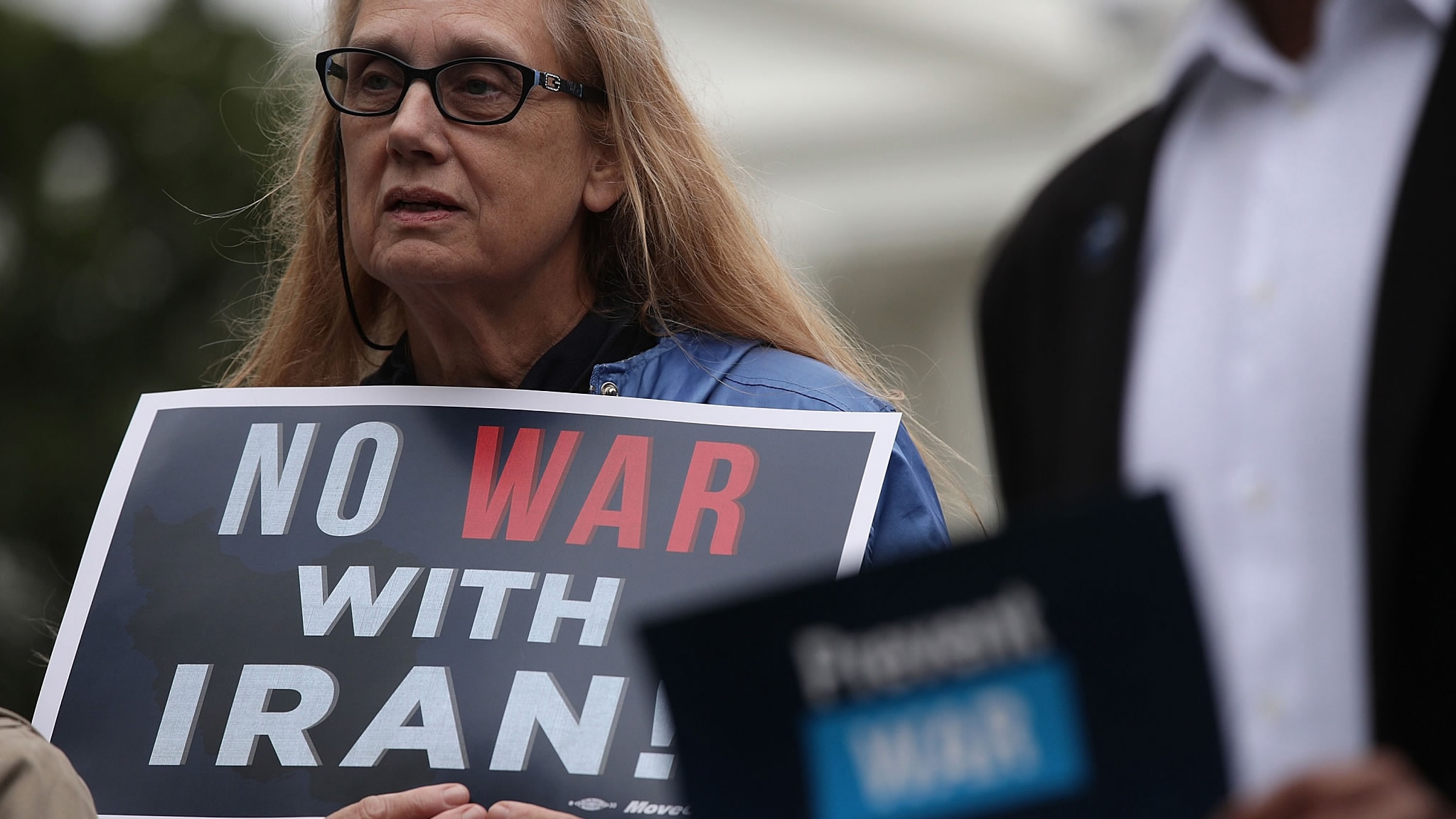
In this week's visits to the US by Macron and Merkel, both sought to change Trump's mind on the Iran nuclear deal, but it seems neither of them were able to succeed. With the looming May 12 deadline for Trump to determine whether or not to pull the US from the Iran nuclear accord, has the EU hope in salvaging the deal?
Cui was "even more pessimistic about the future of the Iranian nuclear accord, even after two visits by European leaders to Washington" due to a huge gap in understanding between the US and the EU.
"What about the accord, especially as it is a meaningful regional peace and also for Europeans interests", noted Cui. "Because, even before Mr. Trump got into the White House and become the American president, he challenged the nuclear accord and wanted to change the strategy of the US on the Middle East."
The US recently got more support from Saudi Arabia, Israel and other countries who are, according to Cui, "trying to get a worse environment to Iran".
The EU values the accord since, "among all six stakeholders towards helping the finalization of the accord, half of them are from Europe".
"Europe takes it as a symbolic and diplomatic result to help regional stability. Also, when there is some new round of chaos in that region, it will negatively impact Europe in the major way of the refugee or some other crisis." Cui noted.
Despite pessimistic prospects, as President Trump criticized the accord as having many flaws and no substantive protection, Cui said there might be another possibility: Washington would try to postpone the deadline from May 12 to a later date.
"Once it happens, it will give some new hope for Europe in trying to persuade Washington to stay in this accord."
A potential trade war between the EU and the US?
02:54
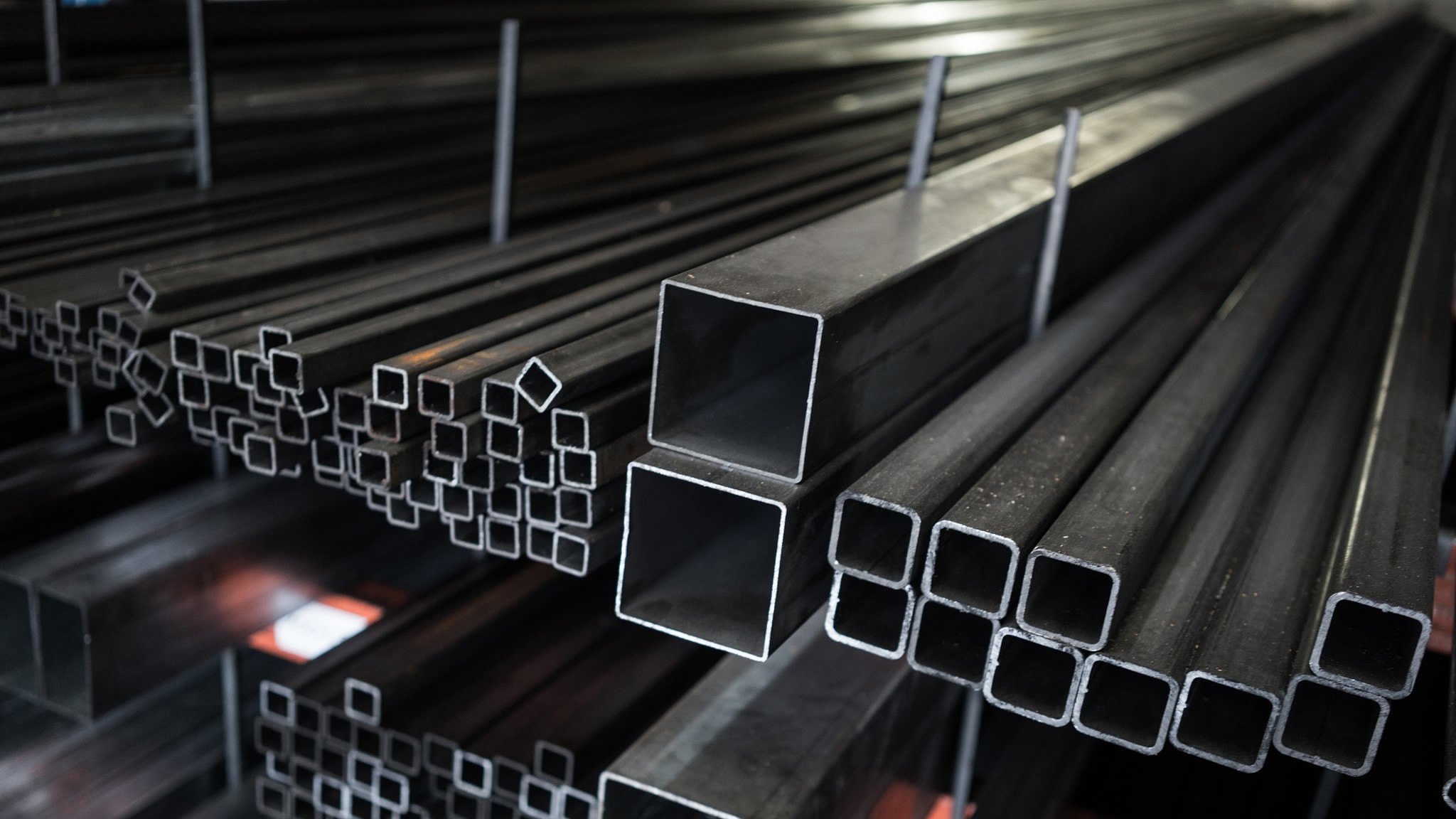
Trade, one of the key issues during Merkel's US visit, seemed to be a deadlock, given that Germany wants the temporary concessions on steel and aluminum imports turned into a permanent one, but the US is not happy with its trade deficit considering the EU and Germany's commitment to NATO.
When asked about the possibility of a potential trade war between the EU and the US, Cui noted it "was on the road", owing to Trump's interest in the trade imbalance situation - the trade deficit between the US and the EU last year was over 150 billion US dollars.
Since President Trump insisted on "America first" - or "American money first" - a trade balance should be a priority. Not only for aluminum and steel or some other products from Europe, but the US should take care of its own local industries, Cui said.
At this moment, one of Merkel's main jobs with Washington is the tough task of trying to "drop the tension between the two sides and avoid a trade war".
"Once it happens, Germany or some other European Union member states should try to extract their own exports to the American market."
This possible move "will have quite a negative impact on European economy", noted Cui. "After the long debt crisis, the European economy recovered within two or three years, but is still fragile."
"So once the trade friction between European countries and the US happens, it will undoubtedly put Europe, and also to the world at large, in a bad situation."