
Business
18:11, 13-Jul-2018
Potential global fallout from Trump's trade policies
Updated
17:54, 16-Jul-2018
 ["china"]
Share







Copied
02:05
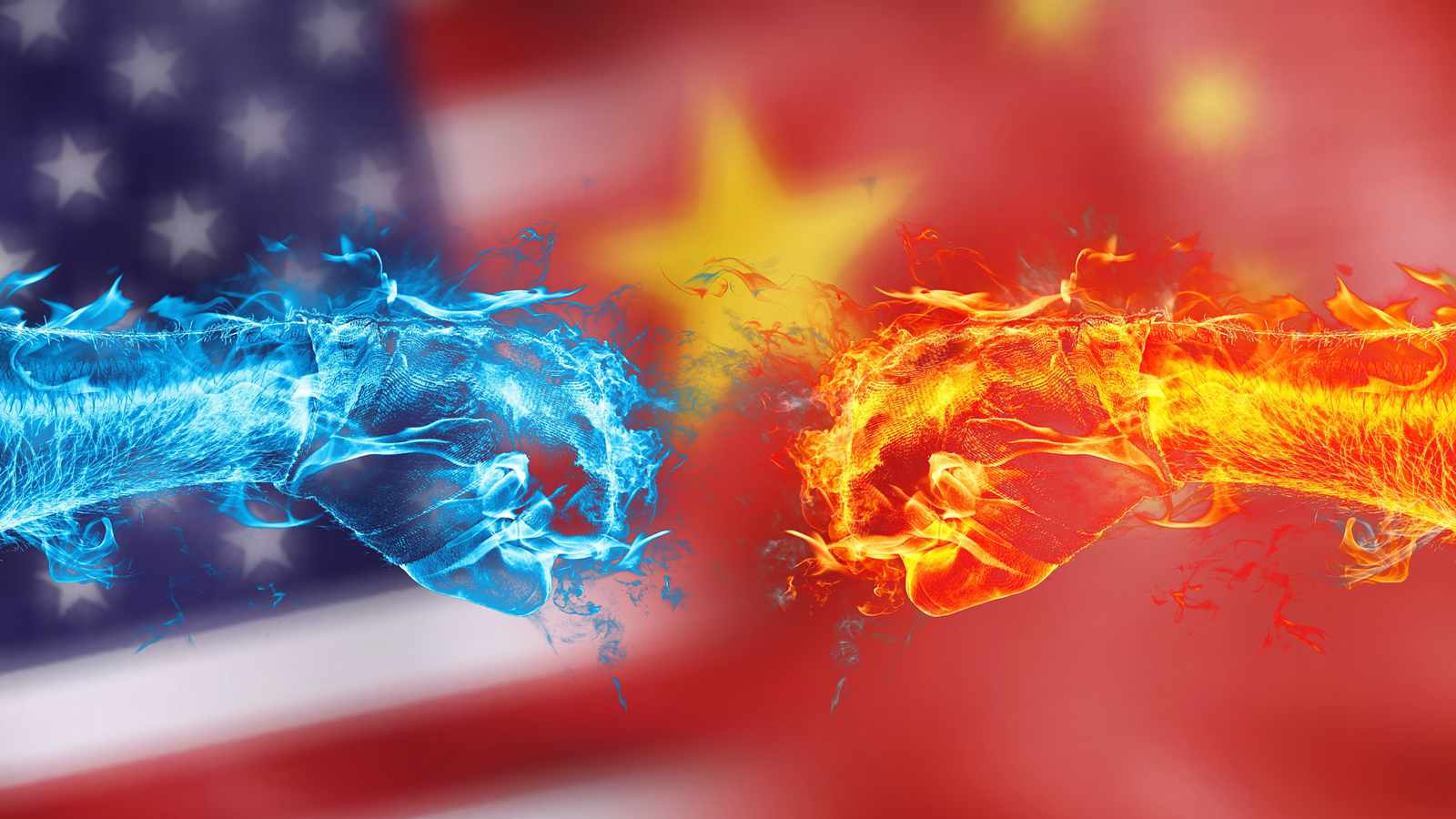
Trade disputes are spreading around the world. None of the economies get a narrow escape from the impact of tariffs, certainly including the US itself. These trade tensions cause not only worries and tough times to industries, but can also hurt consumption.
US President Donald Trump is punishing a host of nations, especially China, saying when it comes to trade, the playing field isn't level.
"We live in an interconnected and interdeveloped world, certainly in the area of supply chains, global supply chains," said Charles Skuba, Marketing and Business Development expert at Georgetown University.
VCG Photo
VCG Photo
And Skuba stressed that the consumers would suffer the most if trade frictions continued to escalate. To take the iconic iPhone for example, it is assembled in China and obviously imported to the US. But the parts in making an iPhone come from all over the world.
The audio chips come from the UK, China, South Korea, Japan and Singapore; the compass passes through Japan, the US, France, England, China, and South Korea; the iPhone camera comes from more than 20 different nations; the glass screen is made in 24 countries, and the battery is whopping in 80 different nations.
And the IMF Chief Economist Maurice Obstfeld is also worried where this feud is headed, warning that "whether you call it trade war or not, it would be very worrisome."
Times have changed. Punishing one nation for a trade imbalance may play well to a crowd. But once consumers start feeling the bite in the wallet, they may very well change their tune.