
Business
12:04, 28-Jun-2018
American Institute for International Steel files suit over Trump’s Section 232
Updated
11:23, 01-Jul-2018
 ["north america"]
Share






Copied
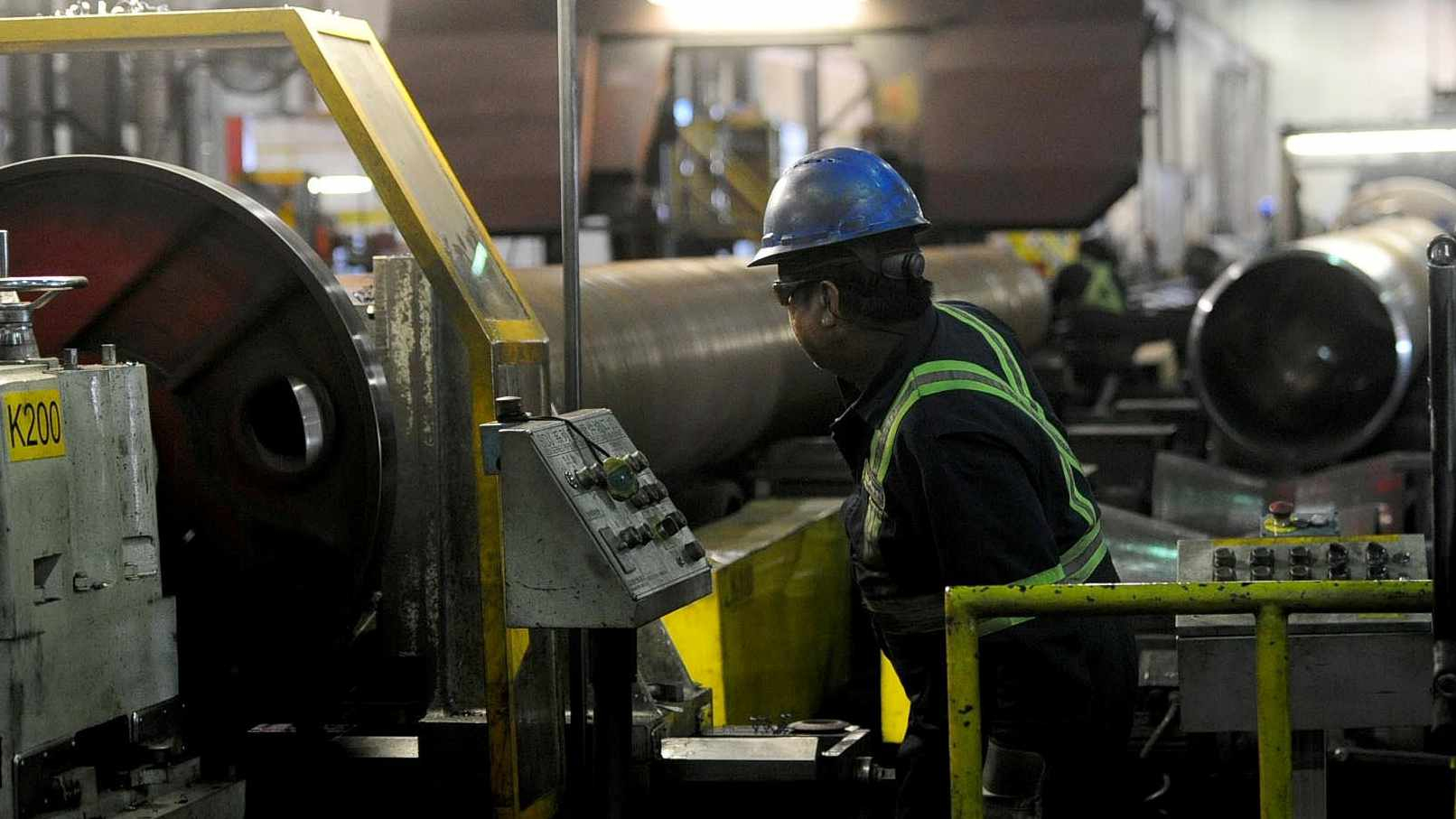
American Institute for International Steel (AIIS) and two of its member companies filed a lawsuit with the US Court of International Trade on Wednesday, claiming that the Trump administration’s Section 232 that imposed a 25-percent tariff on imported steel products violates the constitution.
AIIS said that Section 232 of the Trade Expansion Act of 1962 that contains the transfer of part of the legislative power of the Congress to the President violates the constitution as it lacks clear principles to restrict the power of the president. Therefore, AIIS requires the court to suspend the 25-percent steel tariffs.
According to this provision, the President is allowed to impose "unlimited" tariffs or other trade barriers if he or she considers it necessary to take measures to ensure that imported goods do not harm national security.
Richard Chriss, president of AIIS, said that in addition to giving the president "open-ended choice" to counter any threats posed by imported products, Section 232 also allows the president to basically include any impact on the US economy in the consideration of “national security".
In addition, AIIS also sued the Section 232 in violation of the principle of separation of powers and the checks and balances mechanism protected by the constitution, because there is no legal provision that allows the process of judicial review on decisions made by the President under Section 232.
Previously, the Trump administration imposed tariffs on imported steel and aluminum products in the name of national security under Section 232, and launched a 232 investigation on imported automobiles and spare parts.
It was widely opposed by the domestic and international communities. More than 270 national and local business organizations in the US have also issued a joint letter a few days ago to support the Congress’s legislation restricting the president’s power to impose tariffs based on national security.