
Opinion
16:35, 09-May-2019
Why the Iran deal is collapsing
 ["china"]
Share







Copied
Editor's note: Tom Fowdy is a British political and international relations analyst and a graduate of Durham and Oxford universities. He writes on topics pertaining to China, the DPRK, the UK and the U.S. The article reflects the author's opinion, and not necessarily the views of CGTN.
With the U.S. escalating military tensions against Iran, the Iranian government has announced it would reconsider parts of its obligations pertaining to the Joint Comprehensive Plan of Action (JCPOA), the nuclear deal signed in 2015 from which the Donald Trump administration unilaterally withdrew.
In the announcement, Tehran pledged it would restart uranium enrichment and resume work on its primary nuclear facility if the other signatories of the agreement, including the European Union, Russia and China do not ease sanctions on Iranian oil within a 60-day deadline; the U.S having imposed sweeping measures on the country, which are unilateral and in violation of UN resolutions on the matter.
Why is Tehran now taking this path? And why is the deal collapsing? Although one may argue to reconsider a nuclear trajectory is unwise and will not win the country any new friends, Iran simply feels it has no other choice. It is being squeezed by the U.S. for a deal which it earnestly kept, compliance hasn't changed that.
With the influence of the U.S. dollar able to coercively deter other countries away from Iran's economy, despite having no legal standing, the country recognizes that the diplomacy of others is not able to save it. As a result, being heavily sanctioned anyway, Iran is left feeling that must stand up for itself and do something rather than doing nothing. Thus, it is putting the nuclear card back on the table.
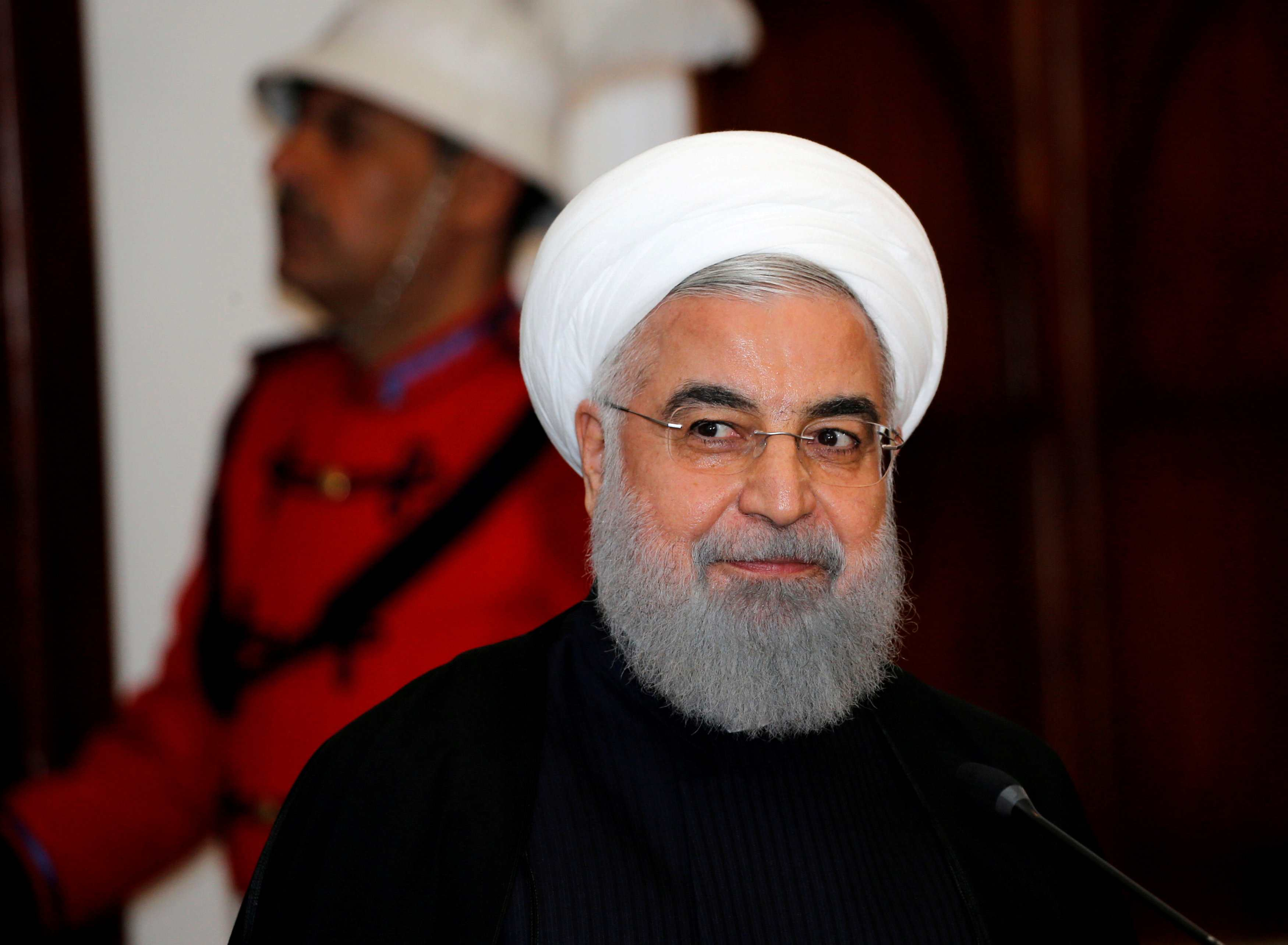
Iranian President Hassan Rouhani speaks during a news conference at Salam Palace in Baghdad, Iraq, March 11, 2019. /Reuters Photo
Iranian President Hassan Rouhani speaks during a news conference at Salam Palace in Baghdad, Iraq, March 11, 2019. /Reuters Photo
Unilateral sanctions by the U.S. have effectively undermined the legitimacy of the JCPOA. In 2015, this grand deal was signed with Tehran and the leading powers of the world, lifting all UN sanctions upon the country in exchange for non-nuclear commitments. Despite the fact that Iran complied with the deal's terms, it came under attack by the Trump administration as well as the lobbying of Israel's Benjamin Netanyahu, who believed that a reconciliatory approach to Tehran did not tackle the struggle for regional hegemony in the Middle East which it was waging against U.S allies.
As a result, Trump unilaterally withdrew from the treaty and slapped unilateral sanctions back on Tehran. Despite that Europe, China and Russia continued to support the agreement as per international law and strongly opposed the imposition of unilateral measures, the power of the U.S. dollar over international financial and energy markets meant that businesses and countries alike had no choice but to comply anyway.
As a result, Iran has faced an ever-expanding embargo on behalf of Washington, whether it liked it or not. Tehran's effort at diplomacy with the other signatories was not successful in changing the de-facto deterrence sanctions had created among enterprises. In essence, their continued lip service to the JCPOA is effectively meaningless in practice, there is no escaping the squeeze.
As a result, staying fully within the JCPOA is now becoming a matter of strategic weakness for Iran. They are going to get sanctioned whether they like it or not and others are not able to help, so what difference does it make? Thus for the first time Tehran is now questioning its own part of the deal. The country has calculated that even if it does nothing, the posture from the White House continues to become more and more aggressive; earlier this week it developed a military character, with more unilateral sanctions announcements also on the way.
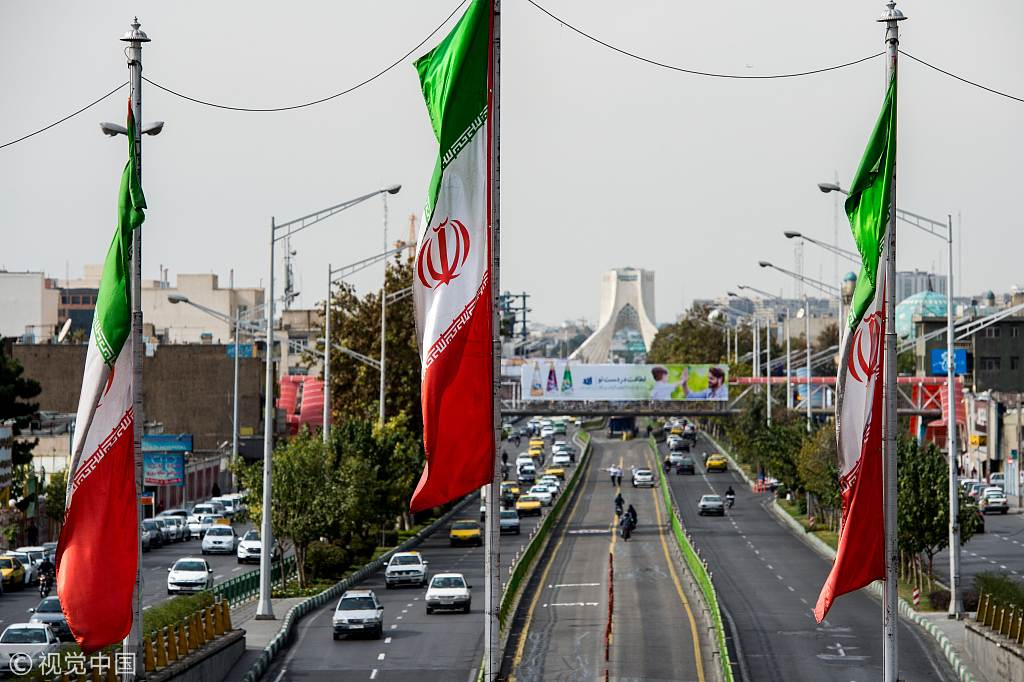
Azadi avenue in Tehran, Iran, November 3, 2018. /VCG Photo
Azadi avenue in Tehran, Iran, November 3, 2018. /VCG Photo
Thus with dwindling resources and a Washington that seeks to push the country into submission and forcefully end its regional ambitions, Tehran feels it must inevitably stand up for itself. The only logical option is to reconsider going nuclear.
Should Iran follow through with its bid to resume uranium enrichment and construct nuclear facilities, the inevitable outcome is continued escalation for the foreseeable future, something which will be of delight to Washington's hardliners who are already purposefully exaggerating the alleged “threat” of Tehran. The country is not about to cave into the U.S. and the administration will feel it is necessary to endure the pain of sanctions.
Thus, the trajectory is clearly being set that if the White House continues to raise the stakes, Iran will now feel obligated to do so reciprocally with the goal of intensifying its own leverage against the U.S., because there is no other strategic route or means available to restrain Washington into talking on their own terms. In this case, there are some parallels to the Democratic People's Republic of Korea's own path of nuclear development since 2006.
But of course what does that mean? It means inevitably we are now open to acknowledging that there is another nuclear crisis looming on the horizon. However, all blame should squarely sit with the Trump administration and its backers. In unilaterally derailing a globally agreed treaty through pure coercion and dismissing a number of United Nations resolutions in the process, it is truly a sad day for the international rule of law.
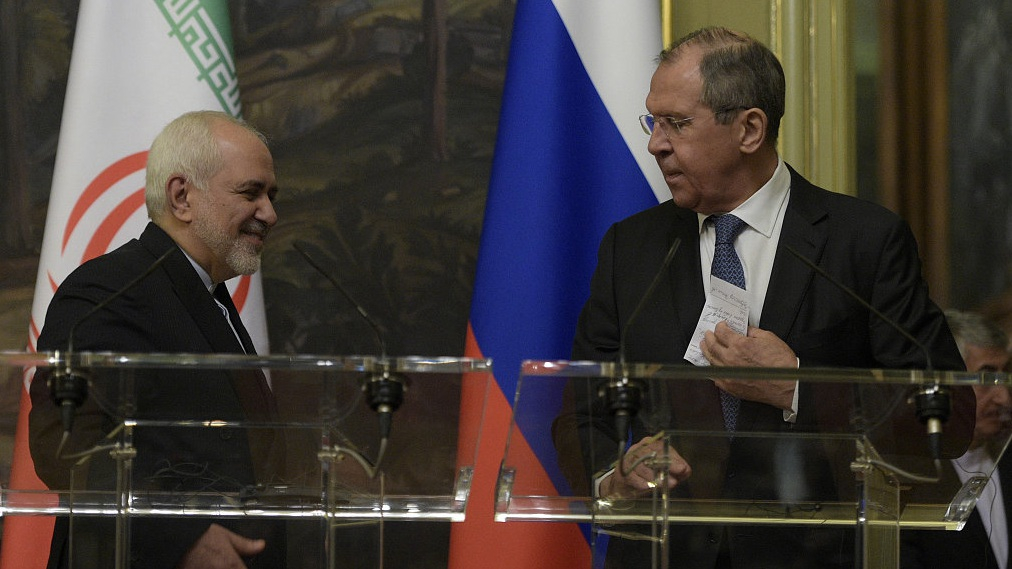
(Cover: Iranian Foreign Minister Mohammad Javad Zarif (left) and Russian Foreign Minister Sergei Lavrov (right) during the ceremony of signing joint documents, Moscow, May 8, 2019. /VCG Photo)
(If you want to contribute and have specific expertise, please contact us at opinions@cgtn.com.)