
Opinions
13:07, 04-Sep-2018
NAFTA standoff: Bluffing doesn't help, sincerity does
Updated
12:01, 07-Sep-2018
 ["china"]
Share







Copied
After days of marathon negotiations, a trilateral deal among US, Canada, and Mexico is still far from being finalized. US President Donald Trump put the pressure on Canada to reach a compromise, after reaching a preliminary deal with Mexico on August 27. But Canada seemed to be in no rush until they get what they want.
Meanwhile, an off-the-record leak came from the US president Trump that he "has the upper hand in the negotiation and so wouldn't make any concessions to the Canadians". The notion of threatening the other party with potential tariffs on the auto sector is, in his eyes, a secret weapon to which others must submit.
However, reactions from the Canadians were quite detached. Canada's top trade negotiator Chrystia Freeland chose to have the direct negotiation with US trade representatives Robert Lighthizer.
"I believed he's been negotiated with good faith," she said in the press conference, during which she called for flexibility from all parties on the final deal. Negotiations between Canada and the US on the new version of the North American Free Trade Agreement (NAFTA) will resume recently on September 5.
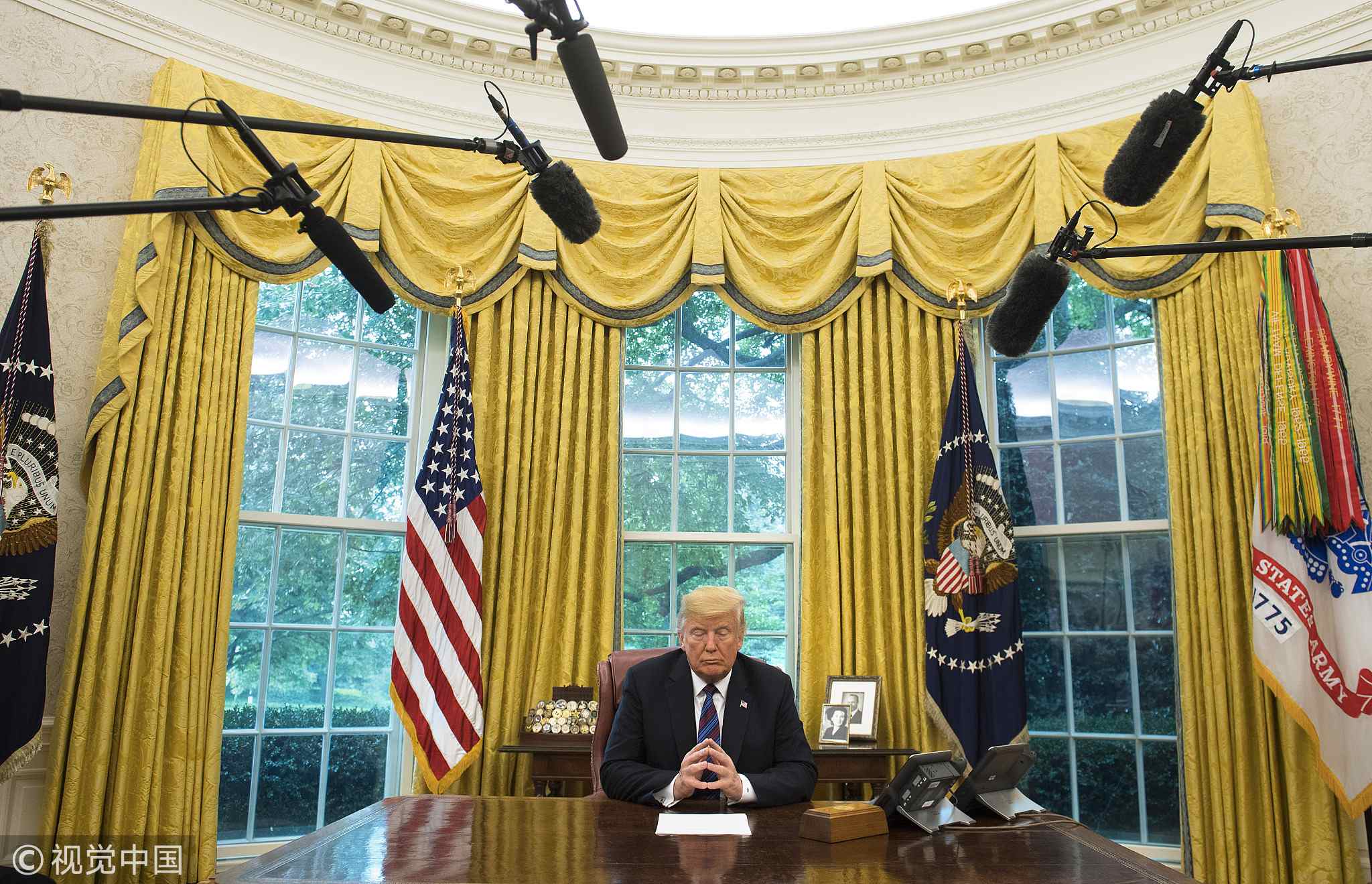
According to CGTN correspondent Daniel Ryntjes, the initial deadline of September 7 set by Trump is "highly unlikely" to be recognized by members at the negotiating table.
To secure a final decision on December, the Congress allows for a maximum of 30 days before getting the final deal ready. However, this is by no means of relieving, since a US-Mexico bilateral deal without Canada is out of the acceptable scope of the Congress.
With the November mid-term election around the corner, discussions are heating on whether Trump can break his zero-win situation and continue to win. Michael Johns, the co-founder of the US National Tea Party movement and a former White House speechwriter for US President George H.W. Bush, is among those with the strong faith in the president.
"We can see his negotiation and goals heading in the right direction," said Michael. "The fact is that the US remains the largest economy in the world, and we are correcting mistakes from the past few decades."
Simon Lester, the associate director at the Center for Trade Policy Studies at the Cato Institute, stressed the possibility of a US withdrawal from the global trading system.

The press conference of the sixth round of North American Free Trade Agreement negotiations in Montreal, Canada, on January 29, 2018. /VCG Photo.
The press conference of the sixth round of North American Free Trade Agreement negotiations in Montreal, Canada, on January 29, 2018. /VCG Photo.
"The result will be great if the president showed proper ability to negotiate for a good NAFTA deal, or even move on with Philippine, Japan, and WTO," he said. "If not, the EU countries can renew their own contract with Mexico and Japan, and you start to wonder where the US stands in the global trade circle."
Canada is also having a hard time. Facing a 25 percent tariff on steel and 10 percent on its aluminum from the US, Canada is making negotiation with a counterpart that holds rigid position and refuses to compromise. The NAFTA, with a large portion of supply management collaboration focusing on the automobile part, is not in the interest in Canada.
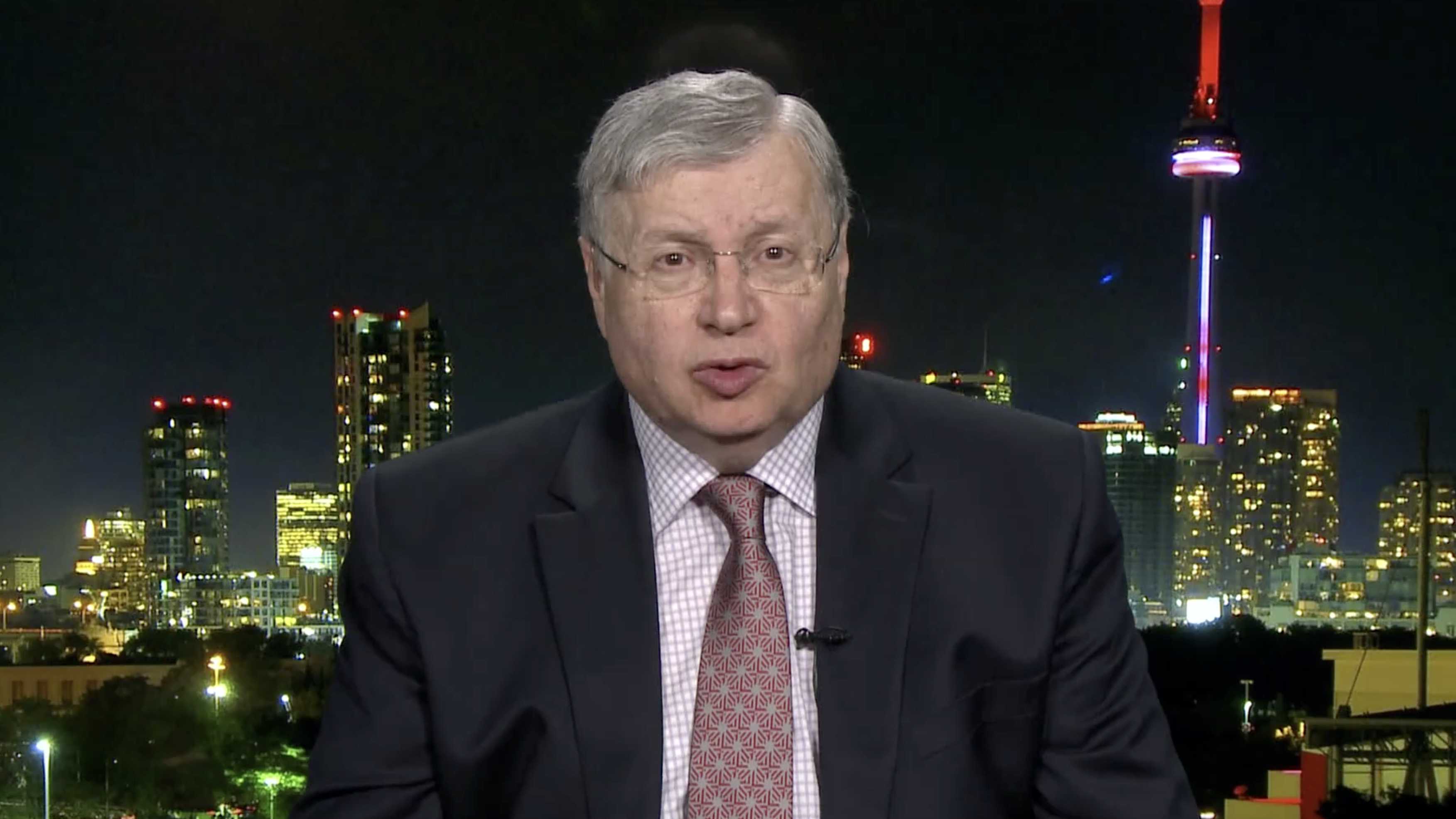
As the US and Mexico have reached a primary deal, Canada is in a disadvantaged position. Aurel Braun, a professor of international relations and political science at the University of Toronto, said that Canada could secure a better deal if "it moved faster ahead" to reach a deal with the US before Mexico.
According to Jerry Dias, the President of UNIFOR, Trump is asking for "a suicide economy deal" for North American in the auto sector. He also suggested in a recent interview that "Canada is not going to be bullied into a bad deal".
Seeing the flat growth in the North America automobile market for over five years, automakers have turned to the Asia market for new opportunities. Therefore, maintaining competitiveness in the global competition of quality and price is vital.
01:13
The NAFTA deal, however, prioritizes the need to hold the manufacturing supply chain and jobs within the border, but will inevitably raise production cost and undermine the competitiveness of North America producers.
This standoff also woke Mexico up. According to Arturo Sarukhan, a former Mexico Ambassador to the US, more and more people in Mexico started to realize the danger of reply 80 percent of its export on one powerful neighbor.
"The NAFTA deal is laying huge pressure on the outgoing and incoming president," he suggested. "Soon after the negotiation started, Chile and Mexico came to realize the threat. That's why they are working on a Trans-Pacific Partnership (TPP) without the participation of the US"
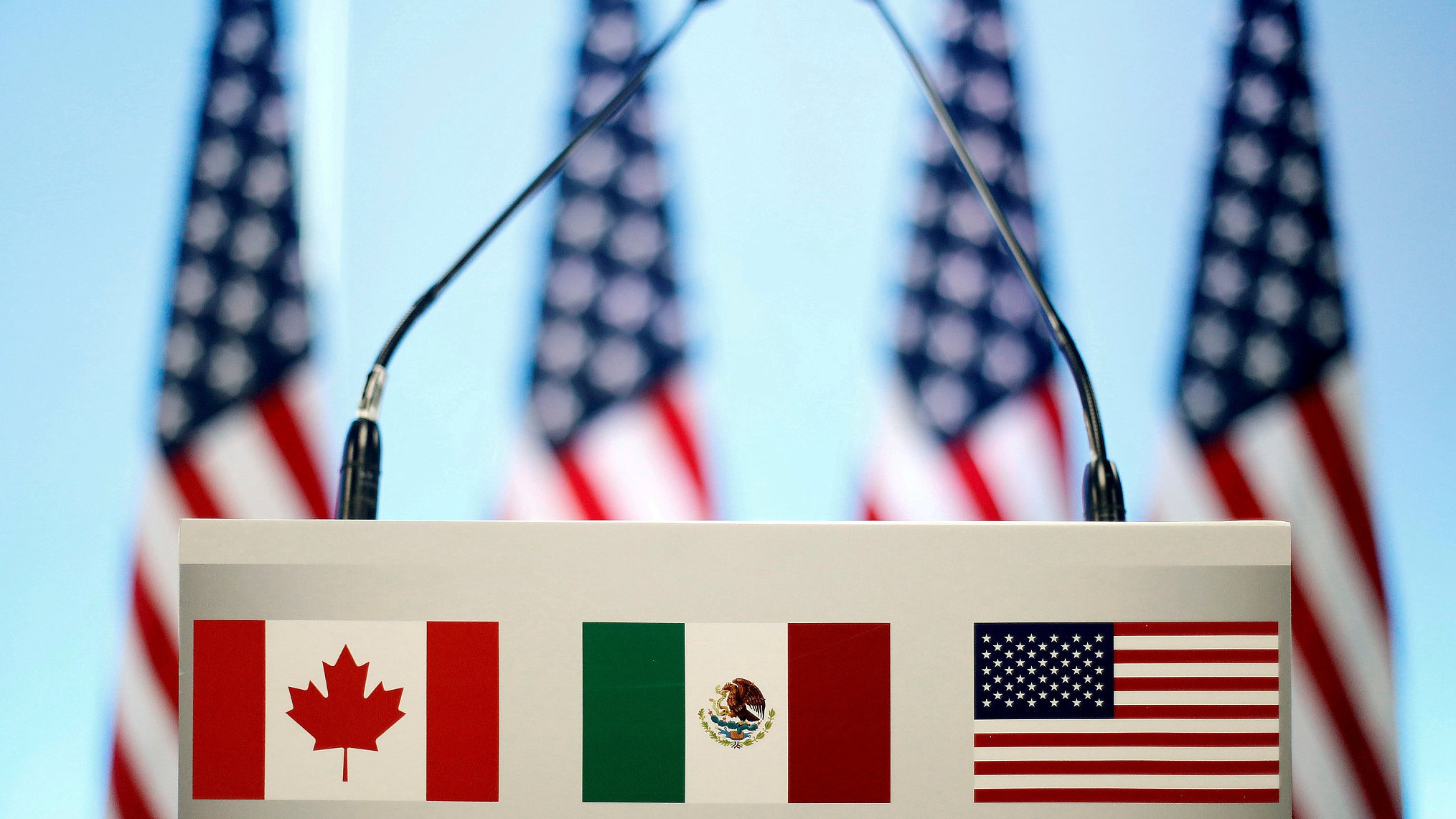
(Cover: The flags of Canada, Mexico, and the US are seen on a lectern before a joint news conference on the closing of the seventh round of NAFTA talks in Mexico City, Mexico, March 5, 2018.)
The Heat with Anand Naidoo is a 30-minute political talk show on CGTN. It airs weekdays at 7:00 a.m. BJT and 7:00 p.m. Eastern in the United States.