It’s been a year since China replaced its longstanding one-child policy and began allowing couples to have two babies. But a study in the Lancet, a medical journal published in the UK, concludes that the policy is unlikely to result in a baby boom.
Researchers predict China’s population will peak at 1.45 billion in 2029 with the two-child policy, compared with 1.4 billion in 2023 with the one-child policy, a relatively small increase.
The study also cited the benefits of the new policy, including a reduction in abortions, fewer unregistered children, and a more even sex ratio.
undefined
In Zhengzhou, the capital city of central China’s Henan province, locals are having different reactions to the new policy.
Four-year-old Jiang Shan dreamed of having a little sister for a long time. Thanks to the country’s universal two-child policy introduced last year, her dream is finally going to come true. In five months, her family is welcoming its fourth member.
“If I really have a little sister, I can sing and dance with her. I will share my food, toys, clothes and everything with her. I don’t mind that we will share the love of our parents,” Shan said.
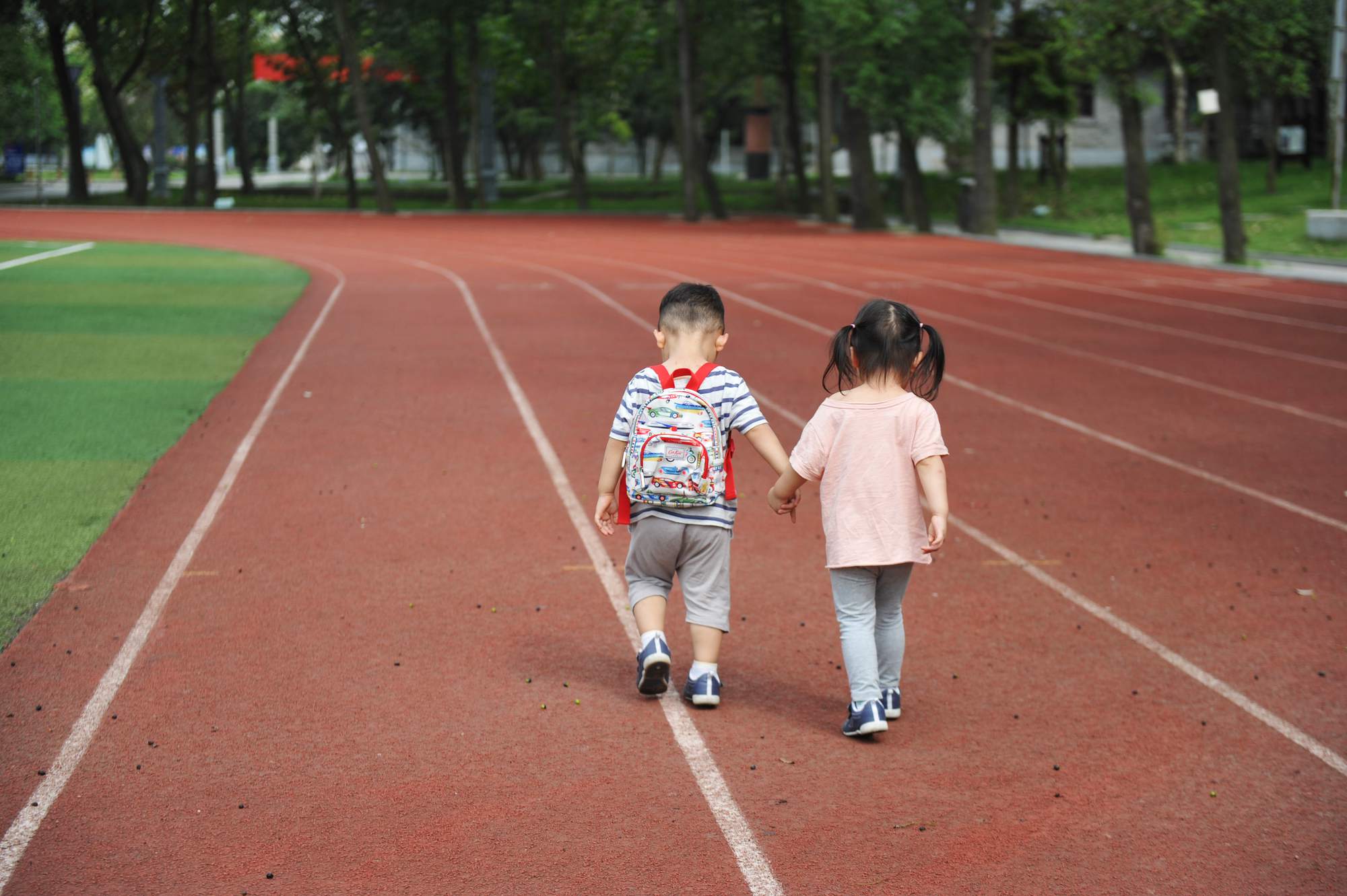
“Both of us are the only children in our families. We know how lonely an only child can feel. Since our daughter also wants it, we decided to have one more child. But we hope the education and healthcare systems keep up when the new baby boom comes.” said Zhengzhou resident, Jiang Xingang.
But 37-year-old Sheng Xuyan is more practical. So far, she hasn’t considered having another child. Still, she’s grateful to have the choice.
“Many couples born in the 1970s may want to catch the last bus. But I think it’s my responsibility to put all my heart into raising my only son and get him a good education. It’s hard for us to afford another child,” Sheng said.
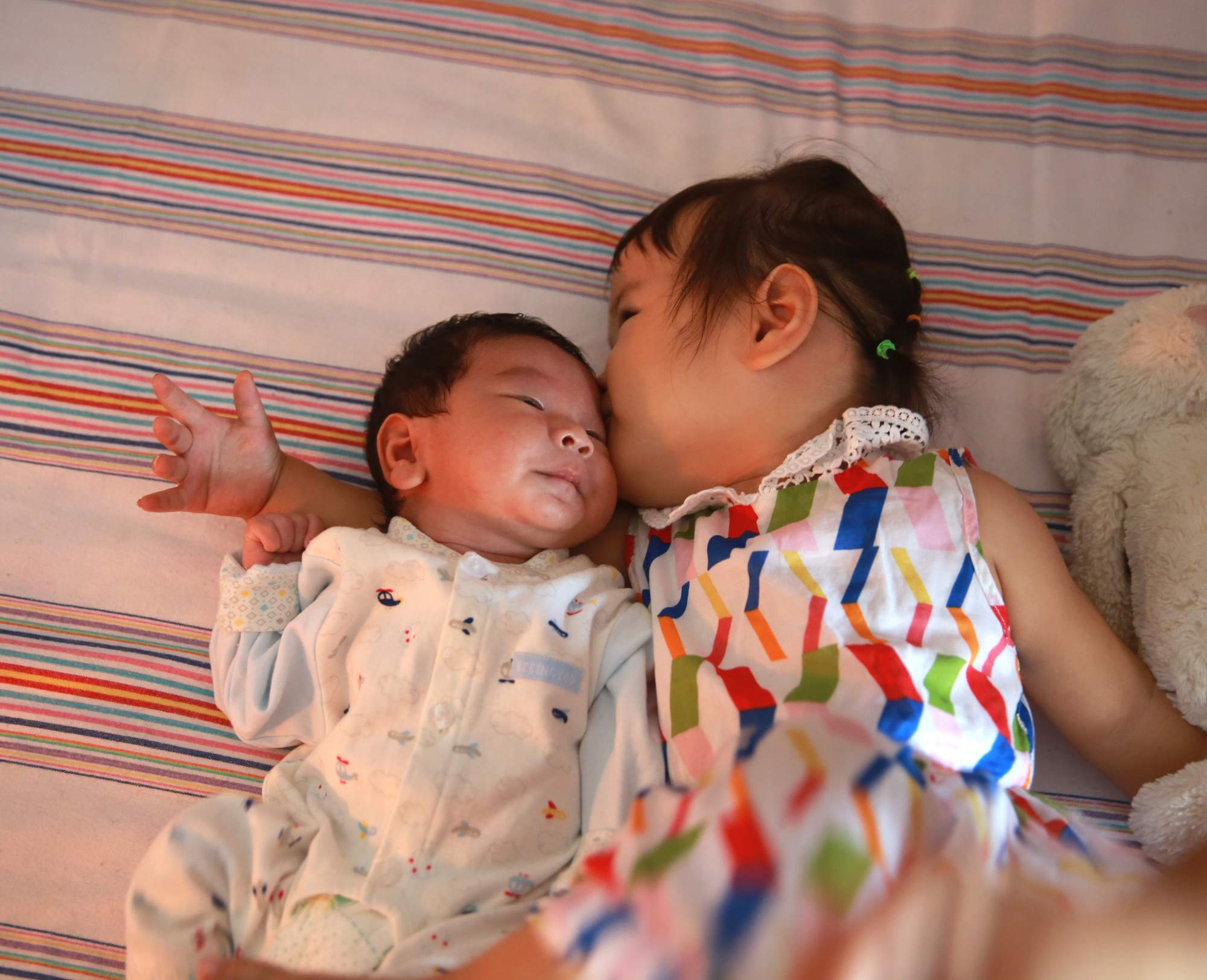
China needs a new baby boom to counter costs of an aging population, low fertility rates, and labor shortages. But the Lancet study said the effect of the new policy may take decades to appear.
“This study analyzes the issue from an economic perspective. But actually, the social effects were seen right after the policy was approved. We should see the effects as a whole. It gives hope to at least 100 million families who are eligible. And of course when these newly-born babies grow to 20 or 25, we’ll be able to see the economic effects then,” Henan Provincial Academy of Science Director Liu Daoxing said.
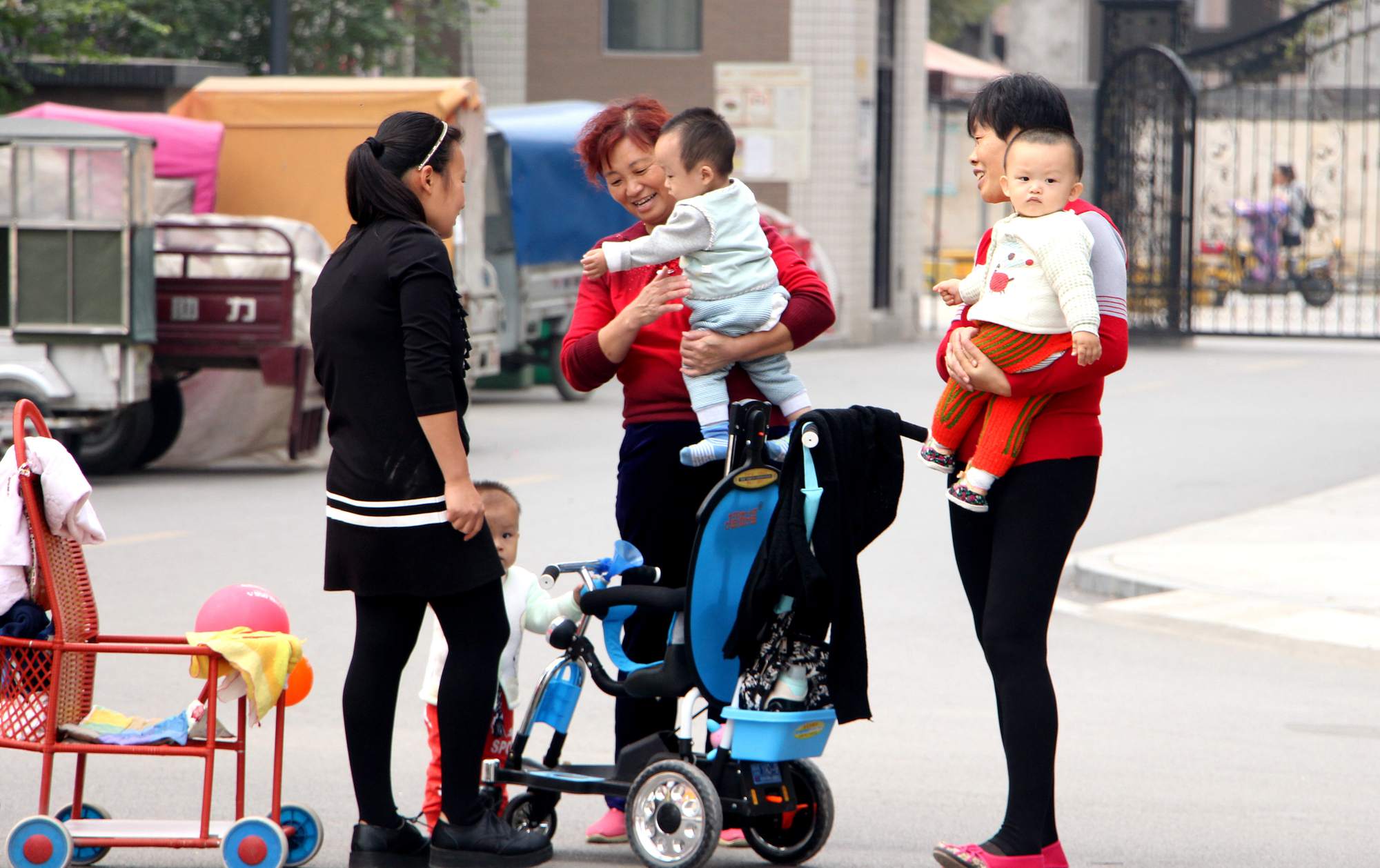
The study recommended a number of policy measures to deal with the short-term problems, such as an adjustment to the low compulsory retirement age to address the labor shortage. The authors also suggested strengthening the state-sponsored pension system, especially in rural areas.
