
Culture
11:48, 11-May-2018
Chinese comic strips celebrated at world first exhibition in Brussels
 ["china"]
Share







Copied
The history of Chinese comic strips is being outlined at the internationally famous Belgian Comic Strip Museum in Brussels.
The Belgian capital is renowned for its influence in the world of comic strips with the artist Herge creating Tin Tin there. The Smurfs and many others were also created in Belgium. But at the exhibition titled "A panorama of Chinese comic strips," the star of the show is San Mao.
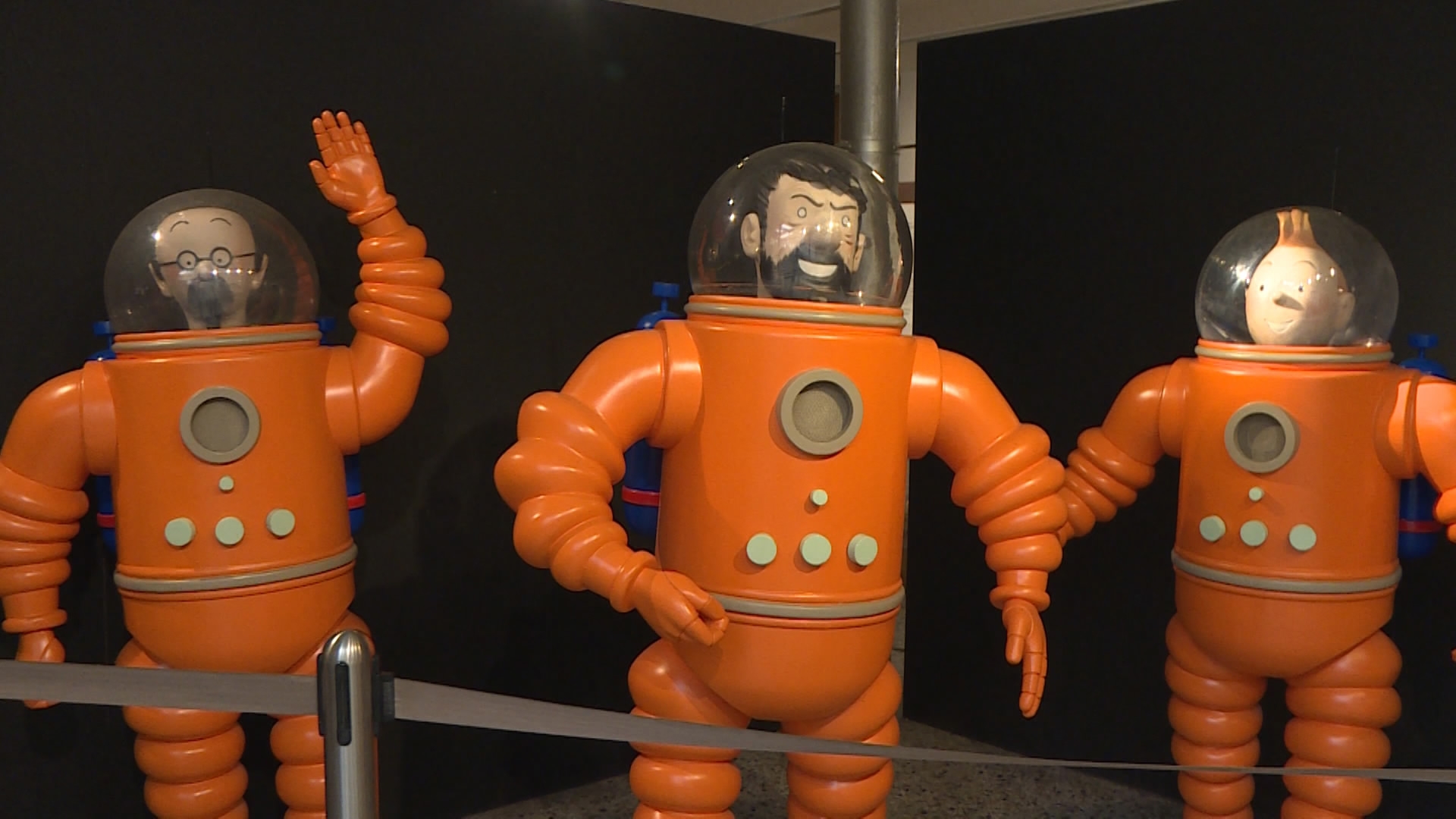
Figures of "Tin Tin" on display /CGTN Photo
Figures of "Tin Tin" on display /CGTN Photo
The artist Zhang Leping drew the orphan character originally in 1935, but his image is still to this day being used to entertain.
The exhibition in Belgium was curated by JC de la Royere, who said that in the period around the communist revolution, "China didn't yet have television, there wasn't much cinema either because there wasn't electricity everywhere. So the main media was little books of comic strips."
The books, called "Lianhuanhua" and sized 12.5cm x 10cm, would be carried around in people's pockets.
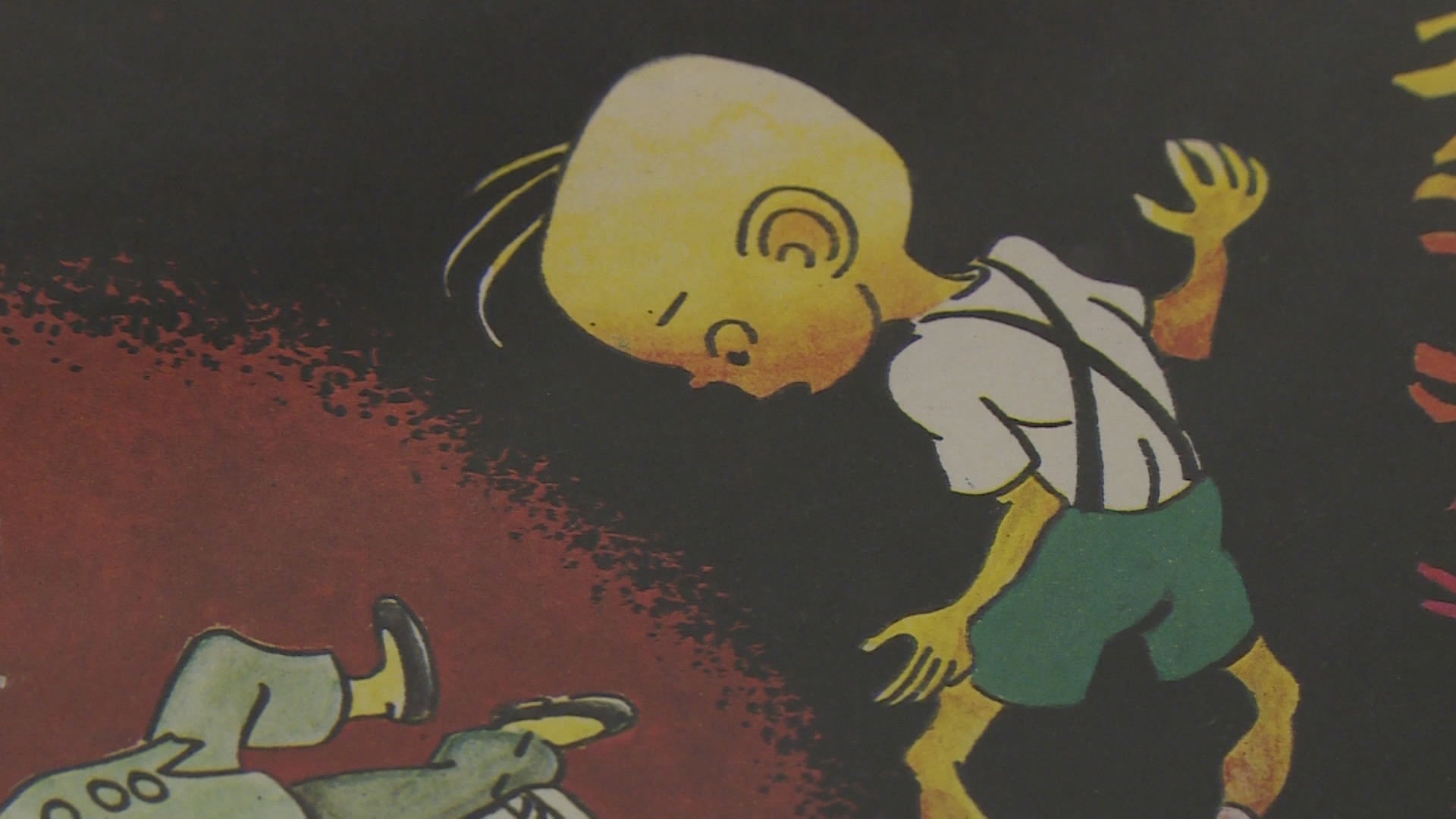
"San Mao" on display /CGTN Photo
"San Mao" on display /CGTN Photo
While the Brussels show explains the artistic development of comic strips in China in the 20th century, it also looks at how important Chinese traditions and design have been in creating the genre around the world.
The first ever illustrated books are known to have been made in China as far back as the year 868. The nature of Chinese writing – being a progressive series of images – is the essential principle of the comic strip.
The Brussels exhibition looks at the reflections in Chinese comic strips of the legacy of tradition, revolutionary tales and at Chinese humor – it also displays the comic strips from China's growing contemporary market.
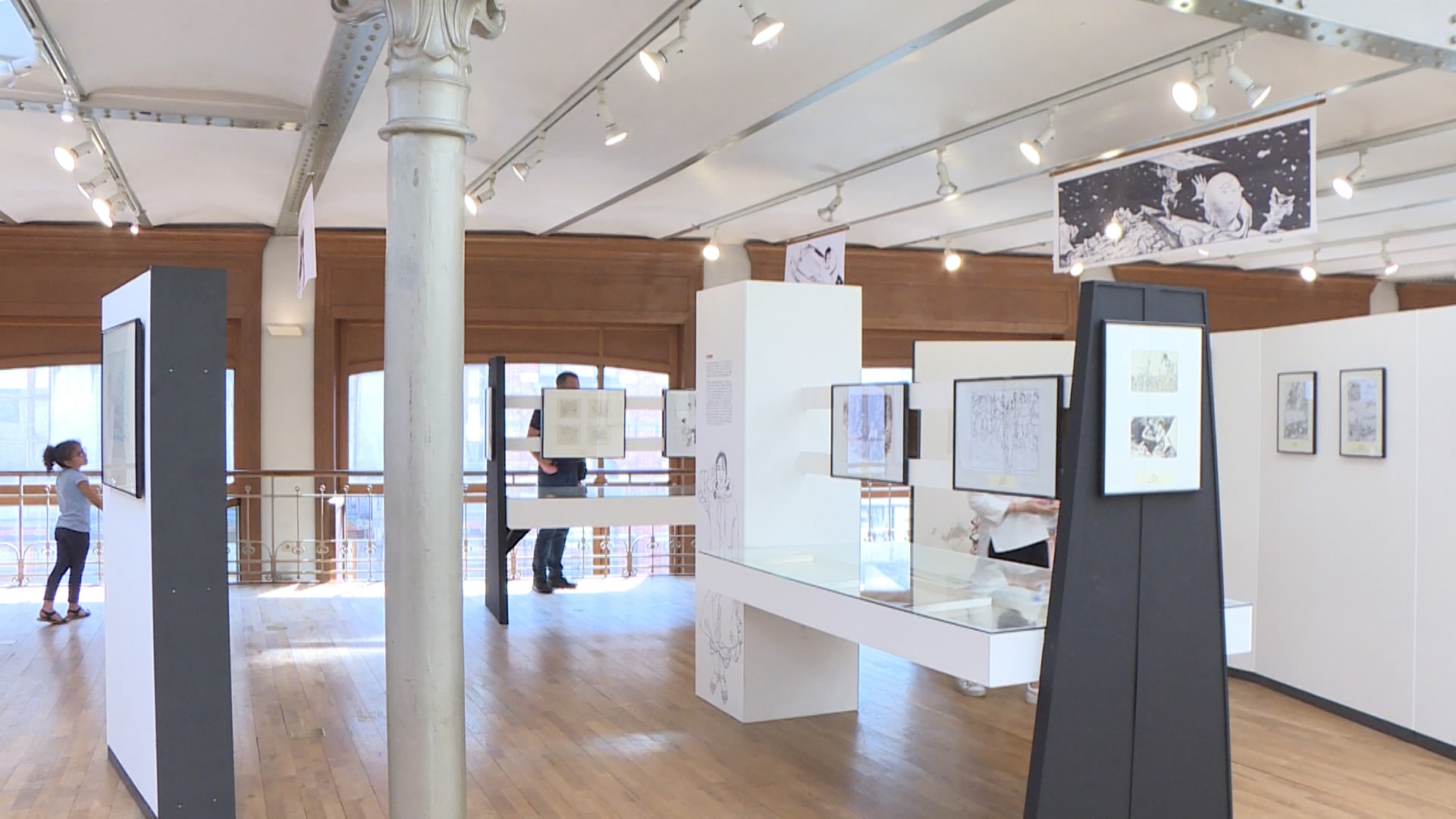
Interior of the exhibition /CGTN Photo
Interior of the exhibition /CGTN Photo
Nowadays Chinese artists, like many others around the world, are heavily influenced by comic strip TV shows from Japan and from Europe.
The show is open to visitors until September 2018.