
Business
23:13, 24-Sep-2018
The Danske Bank scandal and Europe's money laundering problem
Updated
23:11, 27-Sep-2018
 ["europe"]
Share







Copied
It's been called the biggest money laundering scandal in history. 200 billion euros, 32 different currencies and a trail of suspicious transactions all leading to Estonia.
At the heart of this emerging scandal is Denmark's Danske Bank, which last week saw its chief executive Thomas Borgen announce his resignation amid intensifying pressure.
On Sunday, the European Commission confirmed it had asked the European Union's banking watchdog to investigate what happened. The Danish parliament will meet to discuss the political fallout, amid reports that the entire nation's credit rating could be cut.
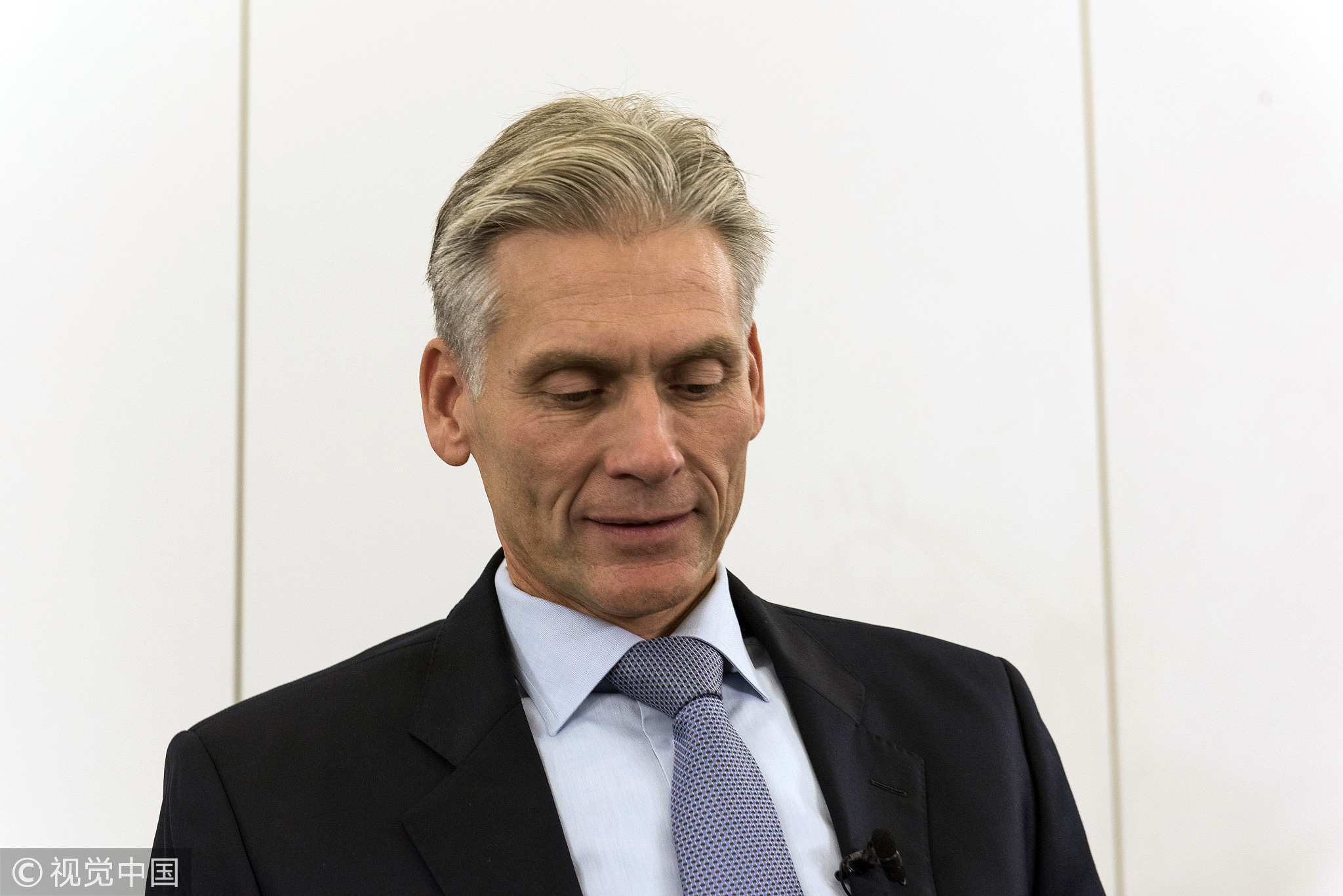
Danske Bank Chief Executive Thomas Borgen, who will remain with the company on a million-dollar salary until a replacement is found. /VCG Photo
Danske Bank Chief Executive Thomas Borgen, who will remain with the company on a million-dollar salary until a replacement is found. /VCG Photo
Ten years after the financial crisis spread from the US and into Europe, pushing the EU to the edge of a bloc-wide economic collapse, how watertight is European regulation over preventing such oversight from happening again?
What do we know so far?
As Denmark's biggest bank, Danske Bank has branches across northern Europe and the Baltics serving 2.7 million customers.
This scandal focuses on one small Danske Bank branch in Estonia's capital Tallinn, covering a nine-year period from 2007 to 2015.
According to a statement published on Danske Bank's website on Sept. 19, some 200 billion euros' (234 billion US dollars) worth of transactions through the Tallinn branch have been looked at in an internal investigation.
The statement says "we expect a significant part of the payments to be suspicious," with as many as 6,200 non-resident customers involved, the majority of whom have been reported to the authorities.
Who is involved?
According to Danske Bank's own report, and thousands of documents obtained by Danish newspaper Berlingske, the majority of the suspicious clients came from Russia, Moldova, Azerbaijan and other former Soviet Union countries.
Many of the suspicious transactions were conducted through shell companies based in the UK and British Virgin Islands. The UK's National Crime Agency announced it was investigating an unnamed UK-based company for its role in the scandal.
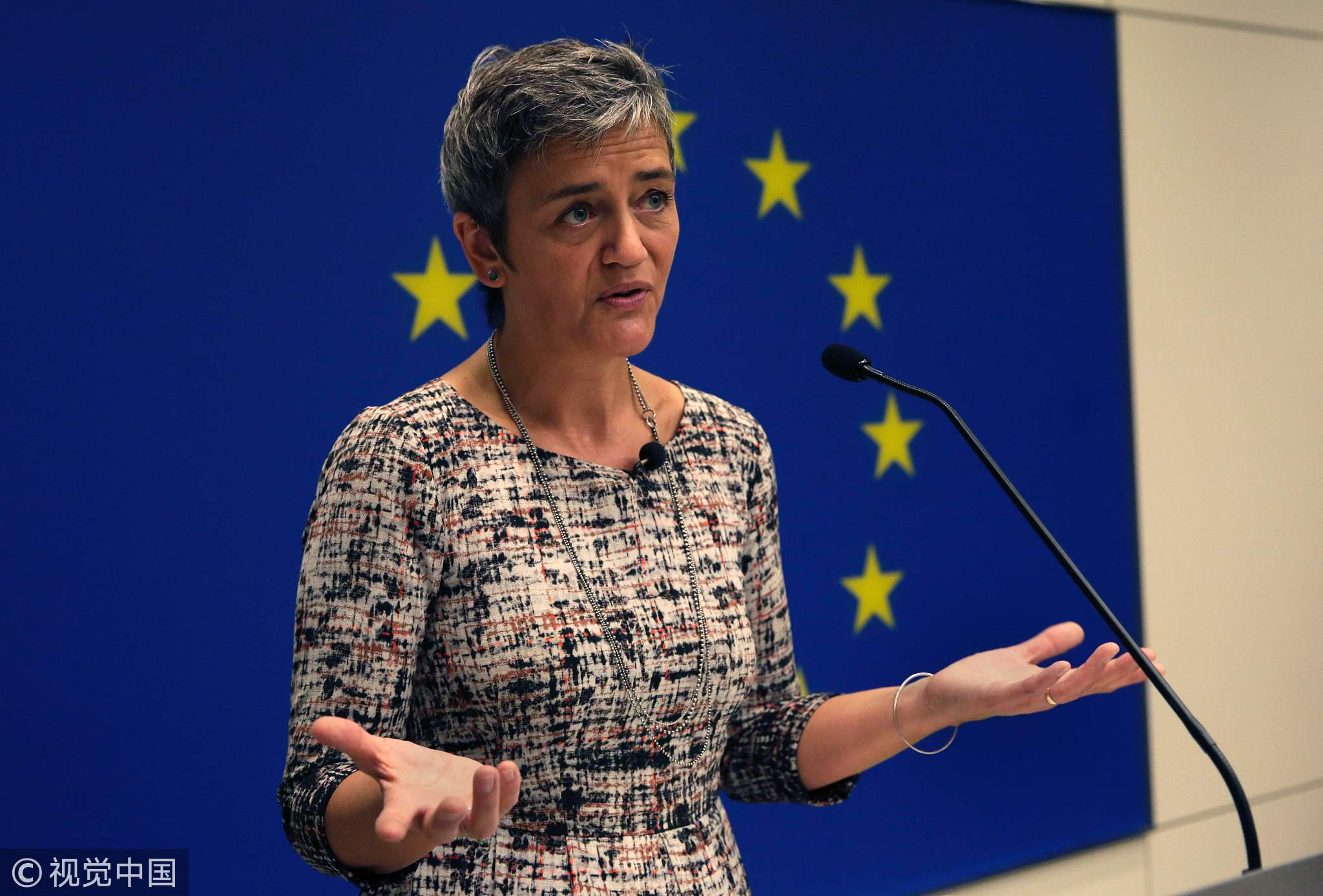
European Commissioner for Competition Margrethe Vestager, who described the Danske Bank case as a "giga scandal." /VCG Photo
European Commissioner for Competition Margrethe Vestager, who described the Danske Bank case as a "giga scandal." /VCG Photo
Danske Bank said it believes some employees may have colluded or assisted customers, confirming that a number of staff had "not fulfilled their legal obligations forming part of their employment."
How was the scandal allowed to continue?
This is the key question at the center of this story, and one that has wider repercussions for the EU's financial sector. The Danske Bank scandal follows recent money laundering cases in Europe at banks like Credit Suisse, Deutsche Bank, ING and HSBC.
Most concerning is the fact that Danske Bank was warned repeatedly, as far back as 2007, that suspicious activity was happening at its branch in Estonia. Russia's central bank asked Danske Bank to investigate money laundering in 2007, while Estonian authorities themselves also raised concerns.
European Commissioner for Competition Margrethe Vestager described Danske Bank as a "giga scandal," while calling for a clampdown on money laundering within the bloc. However, such scandals have been allowed to prevail because of the lack of a central anti-money laundering body or database of shared data.
Can things change?
According to the Financial Times, countries within the EU still struggle to cooperate on cross-border money laundering. If banks and institutions are eventually found guilty of allowing money laundering, fines of a few hundred million euros pale in comparison to the multi-billion dollar punishments doled out by US authorities.
Another reason why money laundering scandals will continue in Europe without any wide systemic change is the lack of accountability. In the Danske Bank scandal, the CEO, chief executive and board of directors were all absolved by their own internal report.
Chief executive Borgen will resign when a replacement is found – until then, he will continue to receive his salary, and will receive a one-year payoff when he finally leaves. In 2016, Borgen was paid around 2.6 million US dollars.