
Politics
22:14, 22-Jun-2018
Refugee returns to Syria must be coordinated with UN: Merkel
 ["china"]
Share







Copied
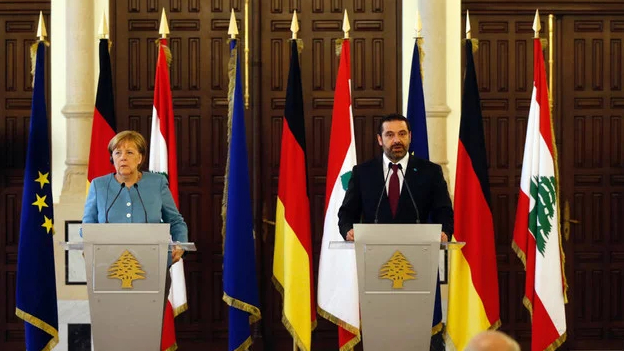
German Chancellor Angela Merkel said on Friday on a visit to Lebanon that conditions in Syria are not yet right for refugees to return, an issue which has led to a dispute between Lebanon's foreign minister and the UN refugee agency.
The United Nations has registered about a million refugees in Lebanon – nearly a quarter of Lebanon's population. The Lebanese government, which puts the figure at 1.5 million, says it wants them to start going back to territory where fighting is over.
The international view is that it would not be safe for them to return yet.
"We want to help find solutions in Syria so that a return of refugees can take place ... we need more secure conditions for a return to be possible," Merkel said at a news conference in Beirut with Lebanon's Prime Minister-designate Saad al-Hariri.
Germany has taken in hundreds of thousands of Syrian refugees and Merkel is under pressure at home over migration policy, an issue which is threatening to undermine her ruling coalition.
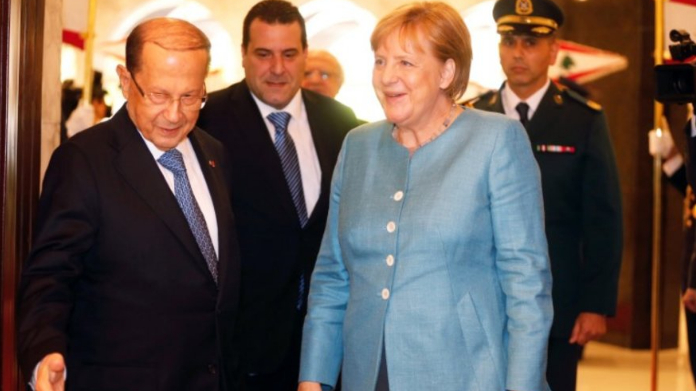
Lebanese President Michel Aoun meets with German Chancellor Angela Merkel at the presidential palace in Baabda, Lebanon, June 22, 2018. /Reuters photo
Lebanese President Michel Aoun meets with German Chancellor Angela Merkel at the presidential palace in Baabda, Lebanon, June 22, 2018. /Reuters photo
She is playing down expectations of a major breakthrough at hastily arranged talks between some EU leaders on Sunday on the migration dispute, which is dividing Europe.
Lebanese caretaker foreign minister Gebran Bassil has this month accused the UN refugee agency UNHCR and foreign countries of preventing Syrians returning home.
He ordered a freeze on applications by UNHCR for residency permits for its staff and threatened more measures against them.
UNHCR has denied trying to stop Syrians going home, saying it supports returns when it is safe.
Lebanon is the world's third-most indebted nation with a debt-to-GDP ratio of more than 150 percent. It climbed from around 130 percent in 2011, before war in neighboring Syria, and the arrival of refugees depressed growth and paralyzed government decision-making.
In a bid to boost growth and create jobs, donors in April pledged more than 11 billion US dollars of investment for Lebanon's crumbling infrastructure, but they want to see the government make long-overdue reforms in return to bring down debt and create a better investment environment.
(Cover: Photo showing Lebanese Prime Minister-designate Saad Al-Hariri talks during a joint news conference with German Chancellor Angela Merkel at the government palace in Beirut, Lebanon, June 22, 2018 /Reuters Photo)
Source(s): Reuters