
World
12:05, 19-Jun-2018
Amazing Pompeii Discoveries
 ["china"]
Share







Copied
As Guatemala ends its search for victims of Volcano Fuego, which began erupting earlier this month, 200 people are still missing.
The volcanic explosion spewed lava, toxic gases and showered ash over local communities, killing over 100.
Many similarities have been made with the ancient Italian city of Pompeii that too was famously covered in volcanic ash during the eruption of Mount Vesuvius in 79 AD.
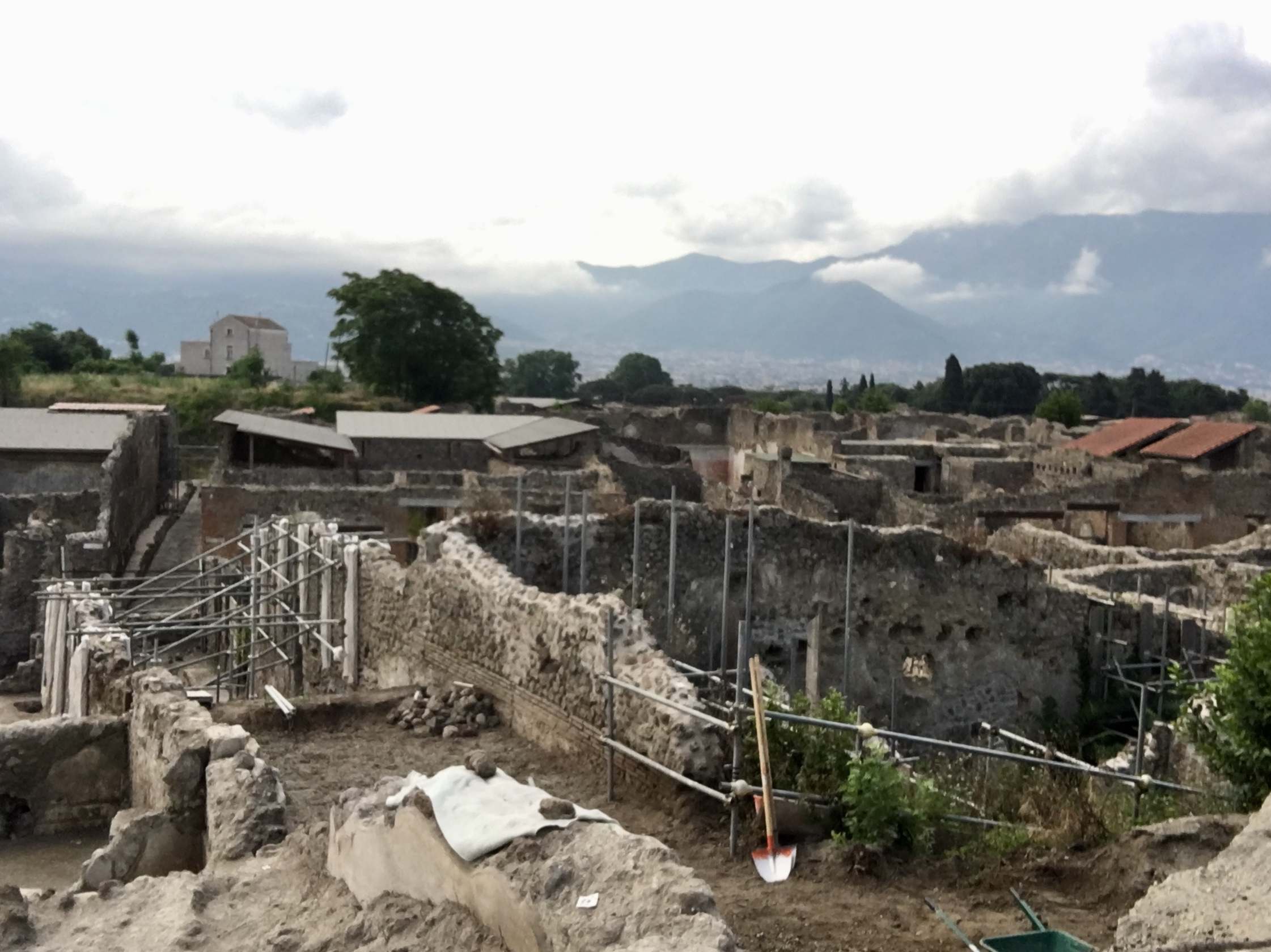
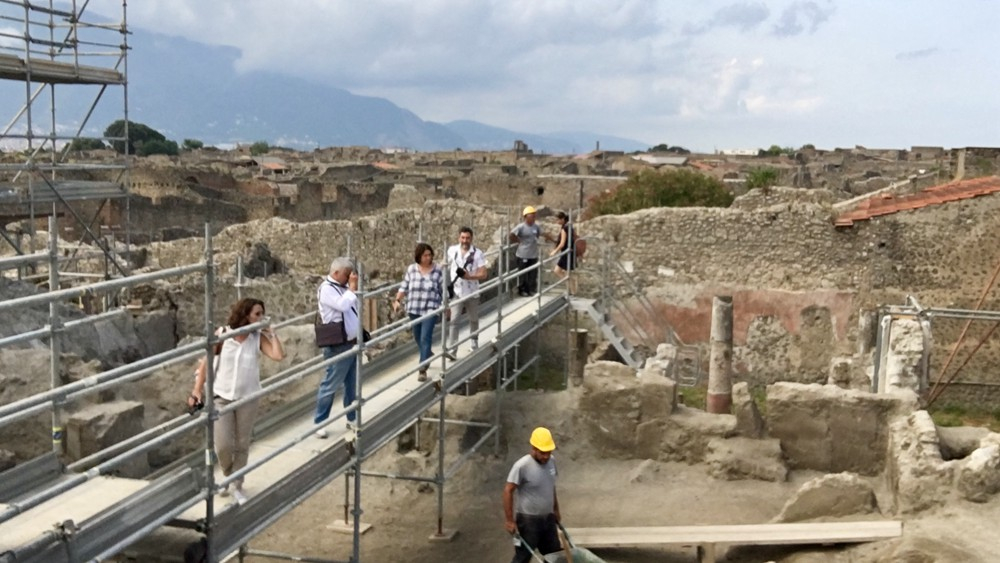
Archeologists continue the excavation of Pompeii, nearly 2000 years after Mount Vesuvius exploded in 79 AD. /CGTN Photo
Archeologists continue the excavation of Pompeii, nearly 2000 years after Mount Vesuvius exploded in 79 AD. /CGTN Photo
The fast-moving currents of hot gas and volcanic matter discharged by the volcano, known as a pyroclastic flow, buried the entire city and froze it all in time.
Over the last two centuries, archeologists have been painstakingly excavating the site and what they have found is truly remarkable.
Most recently, the bones of a man crushed by an enormous stone while trying to flee the explosion have been unearthed.
The fuggiasco – fugitive in English – was found on top of the first wave of volcanic material indicating he likely survived the first explosion.
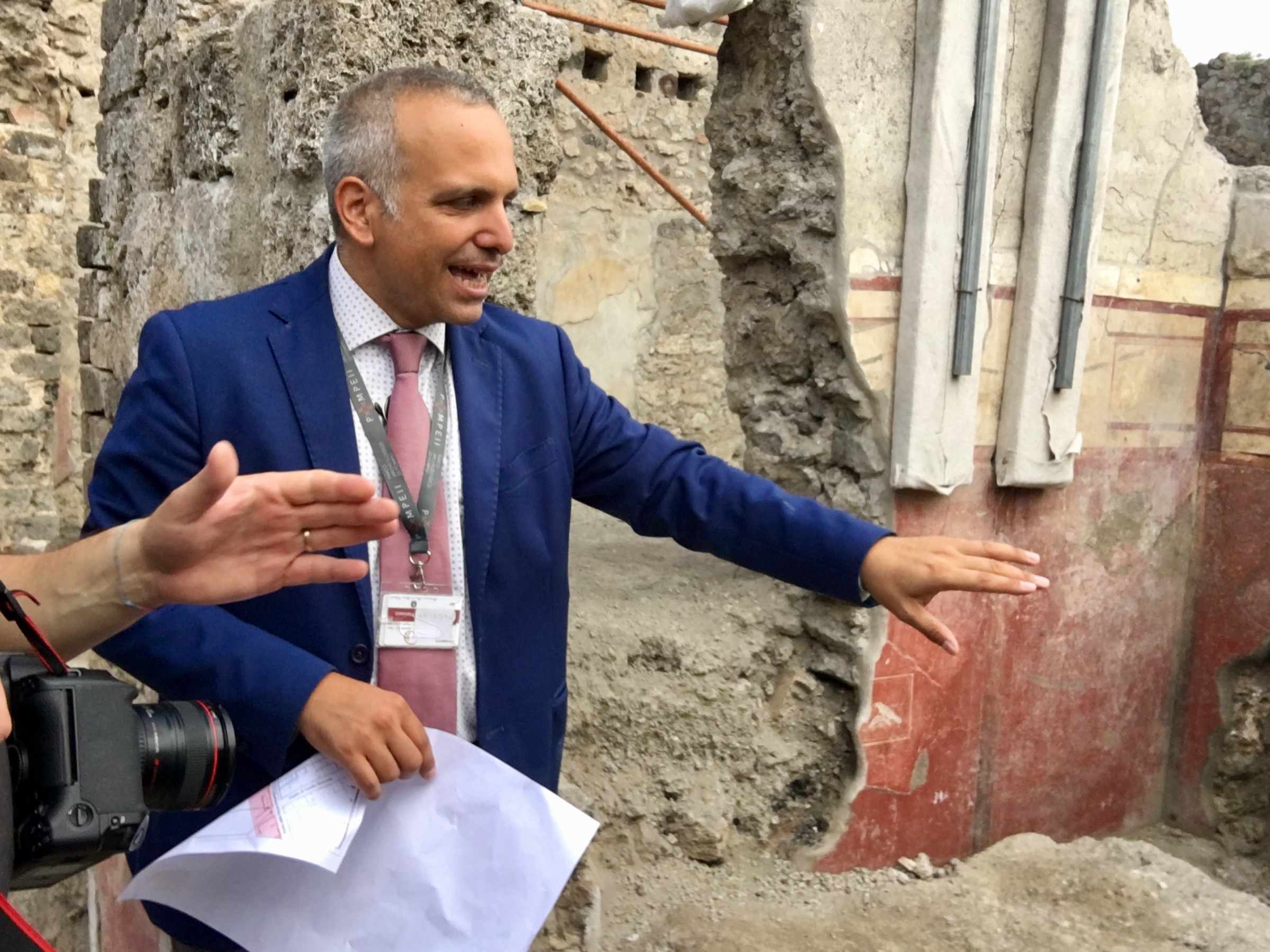
Archeologists Francesco Muscolino explains some of the findings from the latest excavations. /CGTN Photo
Archeologists Francesco Muscolino explains some of the findings from the latest excavations. /CGTN Photo
Experts believe he then tried to flee down a small street, known as the “street of balconies” to take cover but was caught by a pyroclastic flow of the second explosion, throwing him back.
However, he was also discovered with a large boulder in the location of his head.
Francesco Muscolino, an archeological officer from the Italian ministry in charge of the 5th region where The Fuggiasco was found, says it’s unclear how he died.
“Perhaps the skeleton was struck by a block, but we don’t know exactly if he was already dead when the block fell on him.”
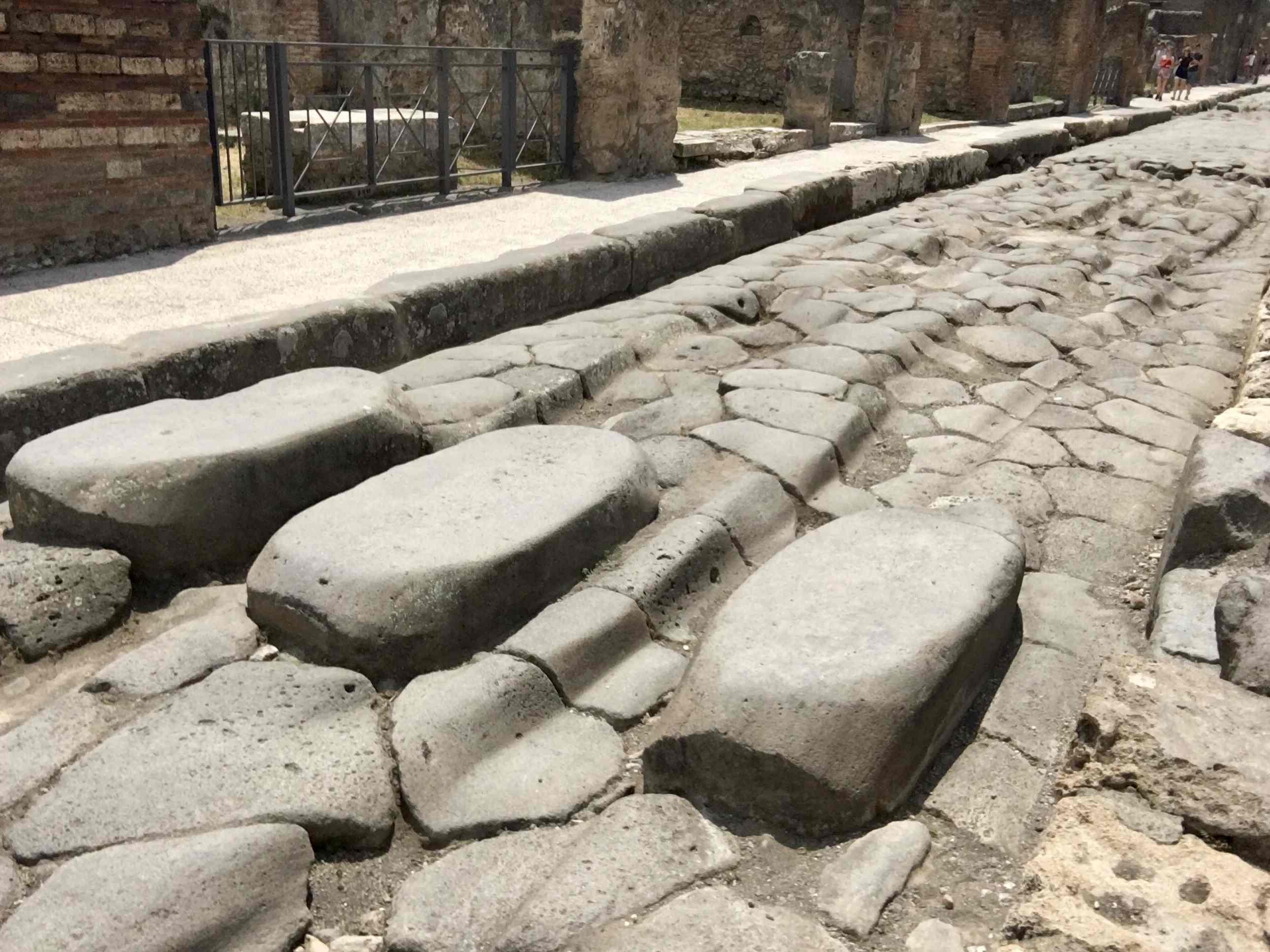
Wide rocks are placed across roads in Pompeii so people could pass during heavy rainfalls. They are also spaced in a way so the horse and carriages could still pass. /CGTN Photo
Wide rocks are placed across roads in Pompeii so people could pass during heavy rainfalls. They are also spaced in a way so the horse and carriages could still pass. /CGTN Photo
A deformation found in Fuggiasco’s tibia could have also hindered his ability to run fast, says Francesco.
“One of the bones of the leg had deformation perhaps because he was lame, some problem to walk. It was also very difficult to run on the volcanic material.”
Interestingly, he was discovered carrying a pouch holding at least 20 silver coins and two bronze coins, equivalent to around 500 euros in today’s currency. He was also carrying what appeared to be his house keys.
Archeologists believe these discoveries show us the similarities we have with the Romans who lived 2000 years ago.
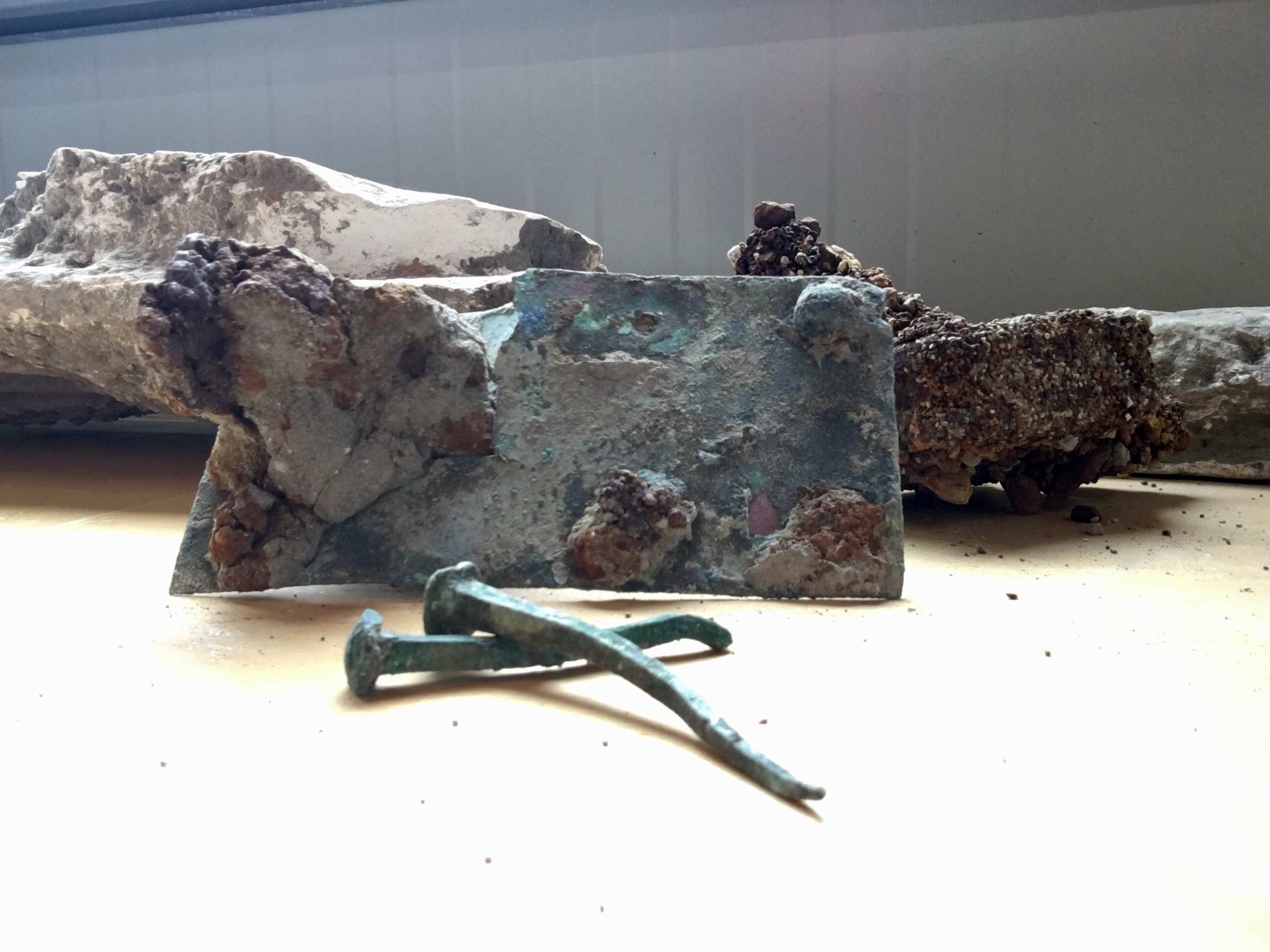
A lock and key and some nails discovered from excavation in Pompeii's Region 5. /CGTN Photo
A lock and key and some nails discovered from excavation in Pompeii's Region 5. /CGTN Photo
Ausilia Trapani, an archeologist in charge of the archives, showed us two rusty metal boxes.
“These, for example, are two door locks. One is bronze and iron, the other is only iron. The interesting part is that the restoration will probably tell us that these two sections are made of iron, in particular, you can see on this one, is probably what is left of their keys. They were still inside the lock at the moment of the eruption.”
Oil lamp holders, plates, pots, amphorae and other terra-cotta figurines have also been recovered from these latest excavations.
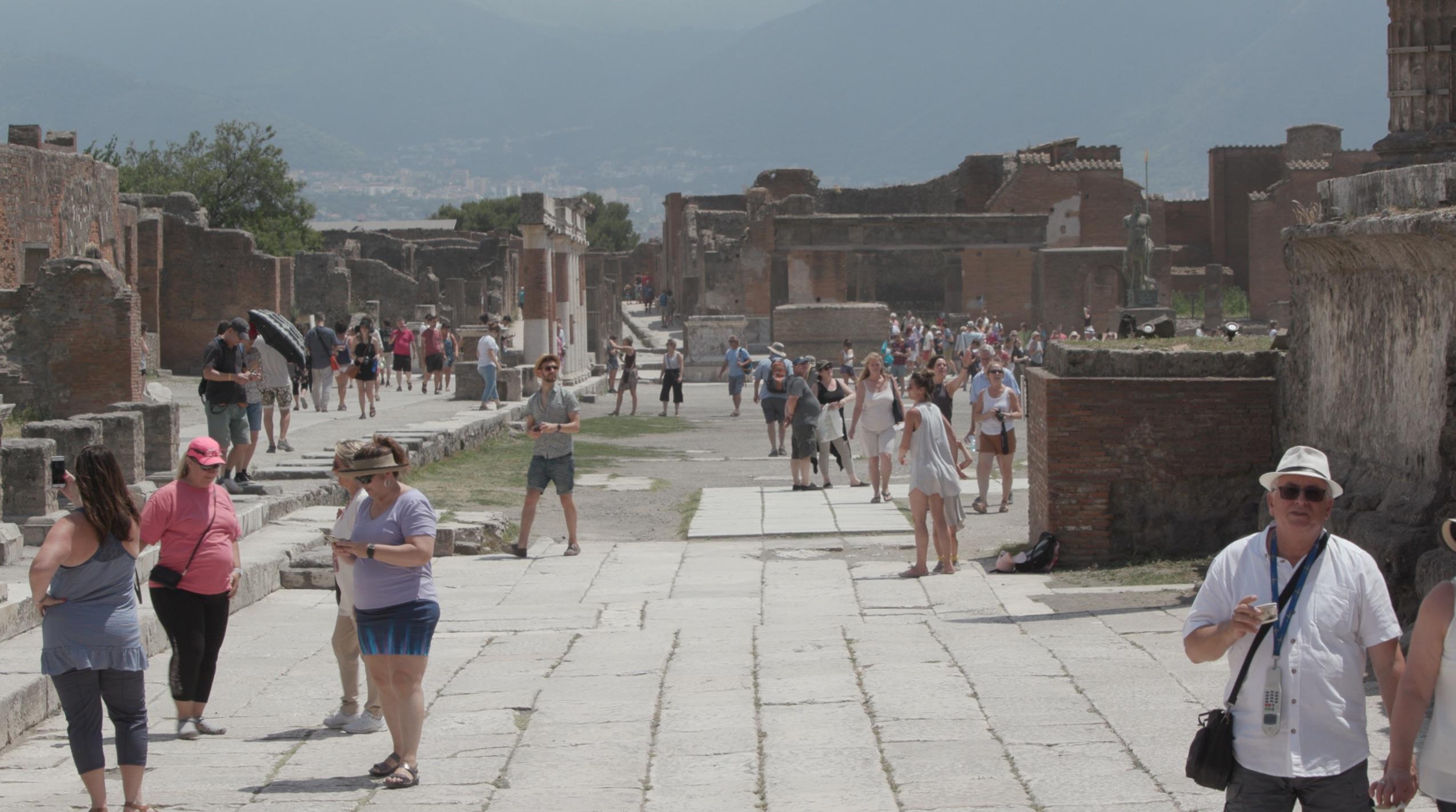
Each year more than three million people visit the ancient city of Pompeii, making it one of the most popular historic attractions in Italy. /CGTN Photo
Each year more than three million people visit the ancient city of Pompeii, making it one of the most popular historic attractions in Italy. /CGTN Photo
Francesco Muscolino points out what appears to be an election sign found near the skeleton. “So its Elvio Sabino, it was the name of the magistrate worthy of the state, a good man. I pray to elect him.”
“Pompeii has 66 hectares of total territory,” says Pietro Amitrano, the Mayor of Pompeii. “44 has already been excavated so 22 still have to be excavated and this section is part of this so you can imagine how many things you can still find.”
But can Mount Vesuvius erupt again? Volcanologists say “Yes”, but that doesn’t worry the locals of Pompeii, says Mayor Amitrano.
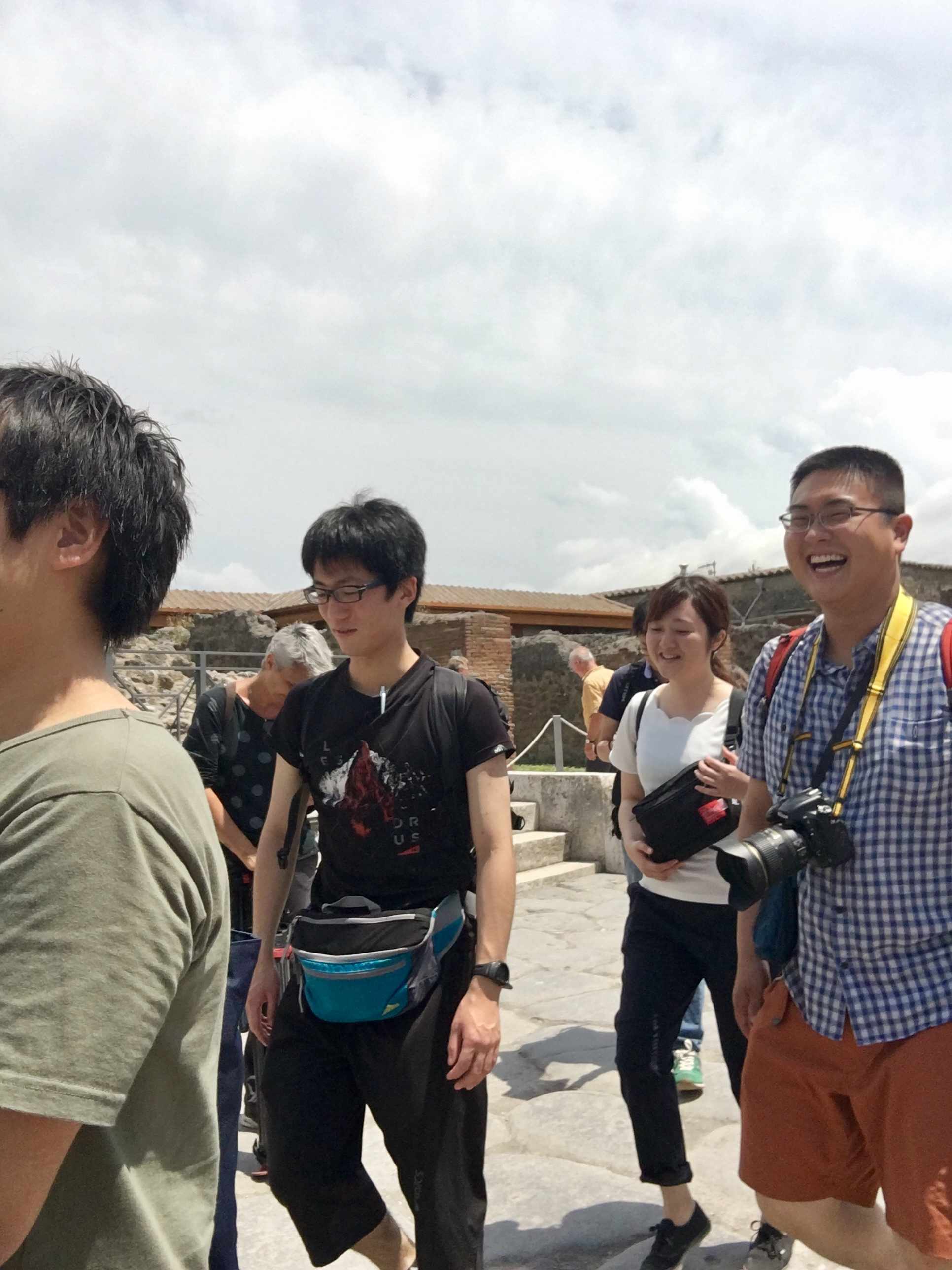
Hundreds of thousands of Chinese visit Pompeii each year. /CGTN Photo
Hundreds of thousands of Chinese visit Pompeii each year. /CGTN Photo
“Mount Vesuvius is our father. We must somehow thank him. He covered the city, the entire city in a particular way so that we can see Pompeii as we are today. He didn’t destroy it.”
Today, the ancient city of Pompeii has been classified a UNESCO world heritage site and is visited by over three million people annually, making it one of the most popular historic attractions in Italy.
But for those in Guatemala still reeling after the deadly explosion of Volcano Fuego, they are praying it won’t take two centuries of excavations to find out what happened to the 200 there still missing.