
China
21:09, 26-May-2018
Dialogue with the world: Paths for China and Europe in a post-order world
 ["china"]
Share






Copied
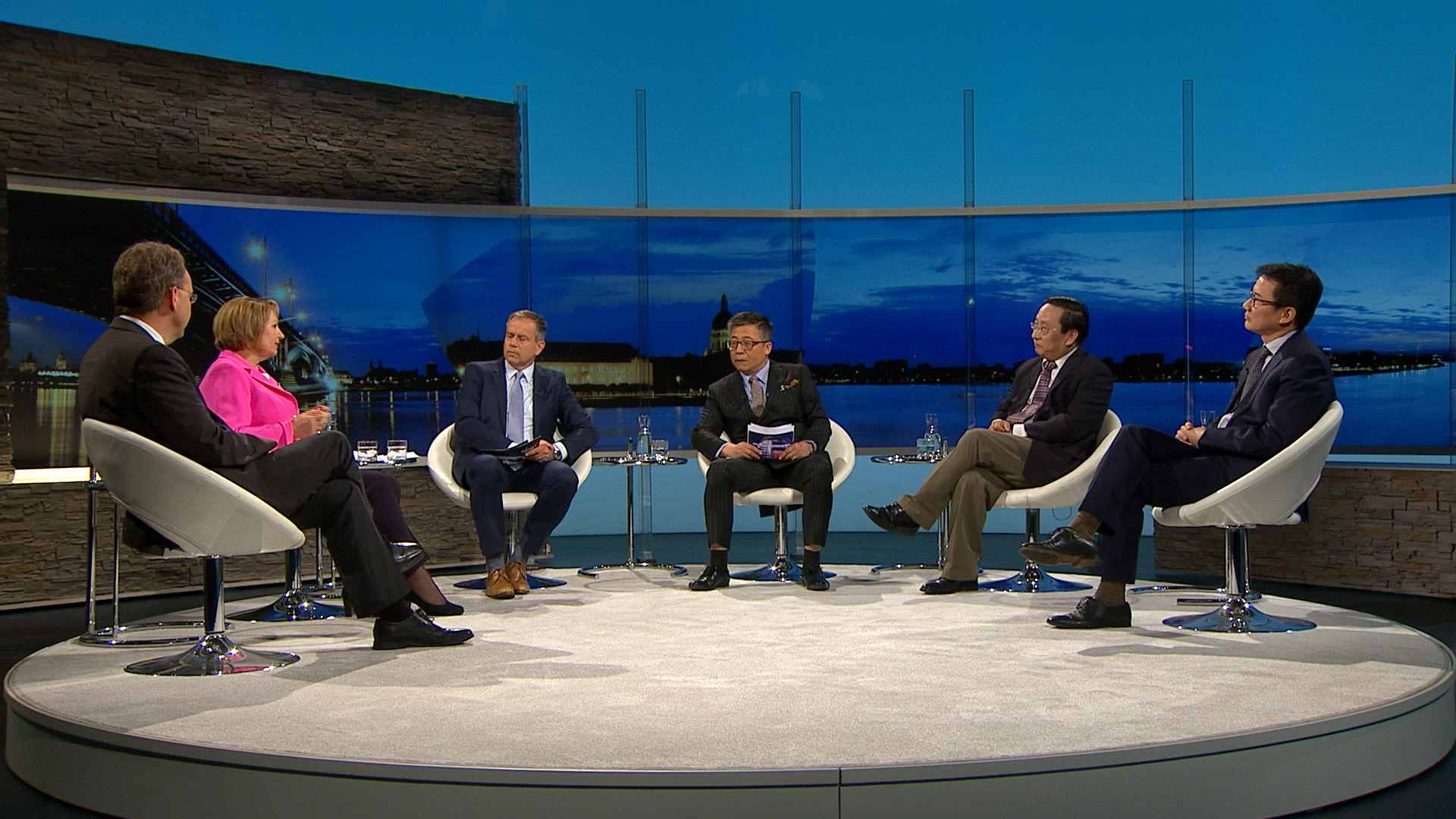
China’s CGTN and German broadcaster NDR meet twice every year. This May in Mainz, they are looking at how China and Europe are dealing with a series of global issues.
On the 200th birthday of Karl Marx, who developed communism, Victor Gao Zhikai elaborated on how China has adopted the ideology to its own needs.
01:12
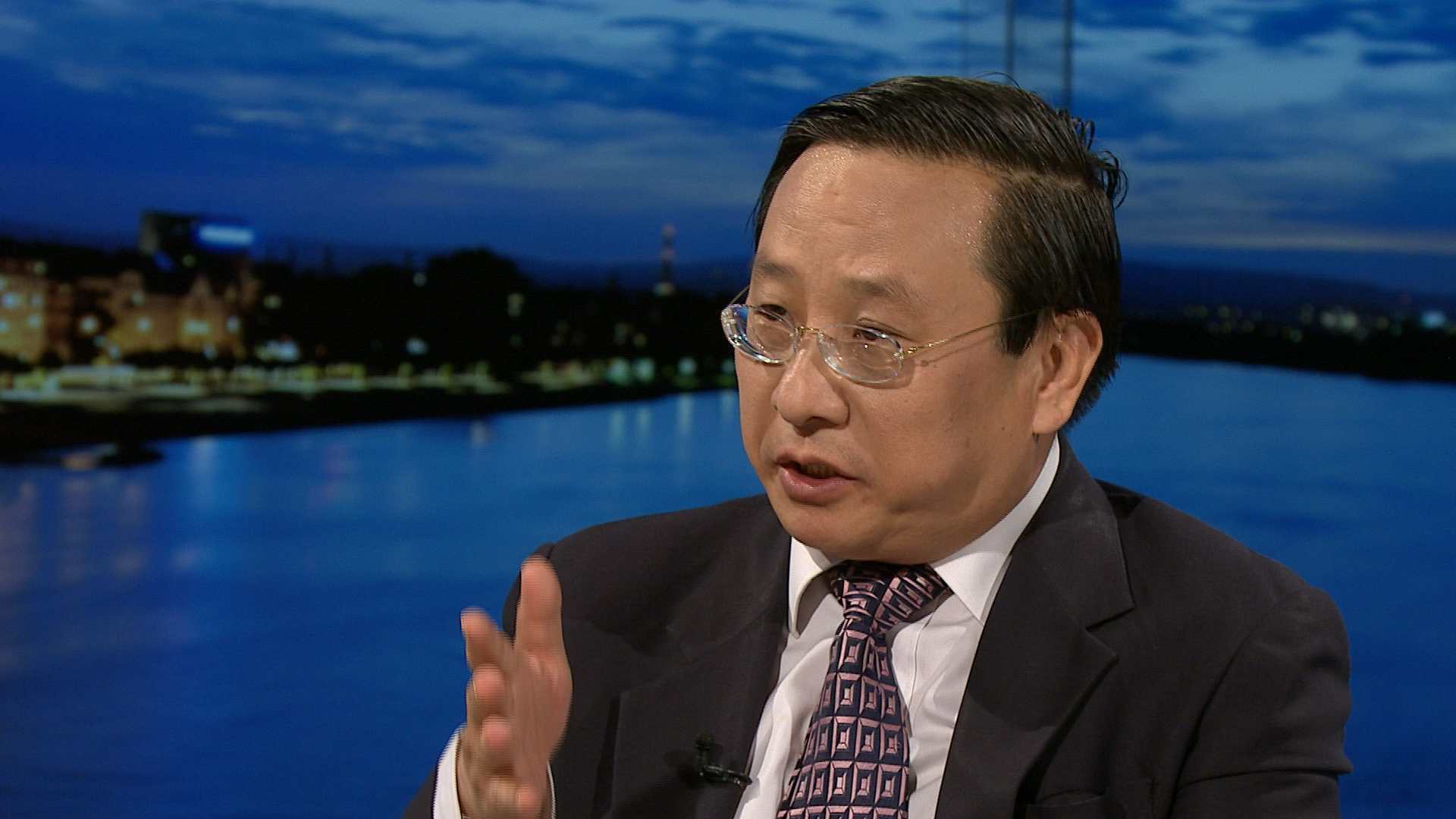
“Marxism in China is a dynamic thing. It is ever changing. And China needs to do daily innovation to adapt whatever [is] within Marxism to the reality,” said Gao, the vice president of the Center for China and Globalization.
When it came to the discussion on free trade and globalization, Professor Zhang Xudong from New York University pointed out that whether a nation supports free trade is reflective of reality.
01:27
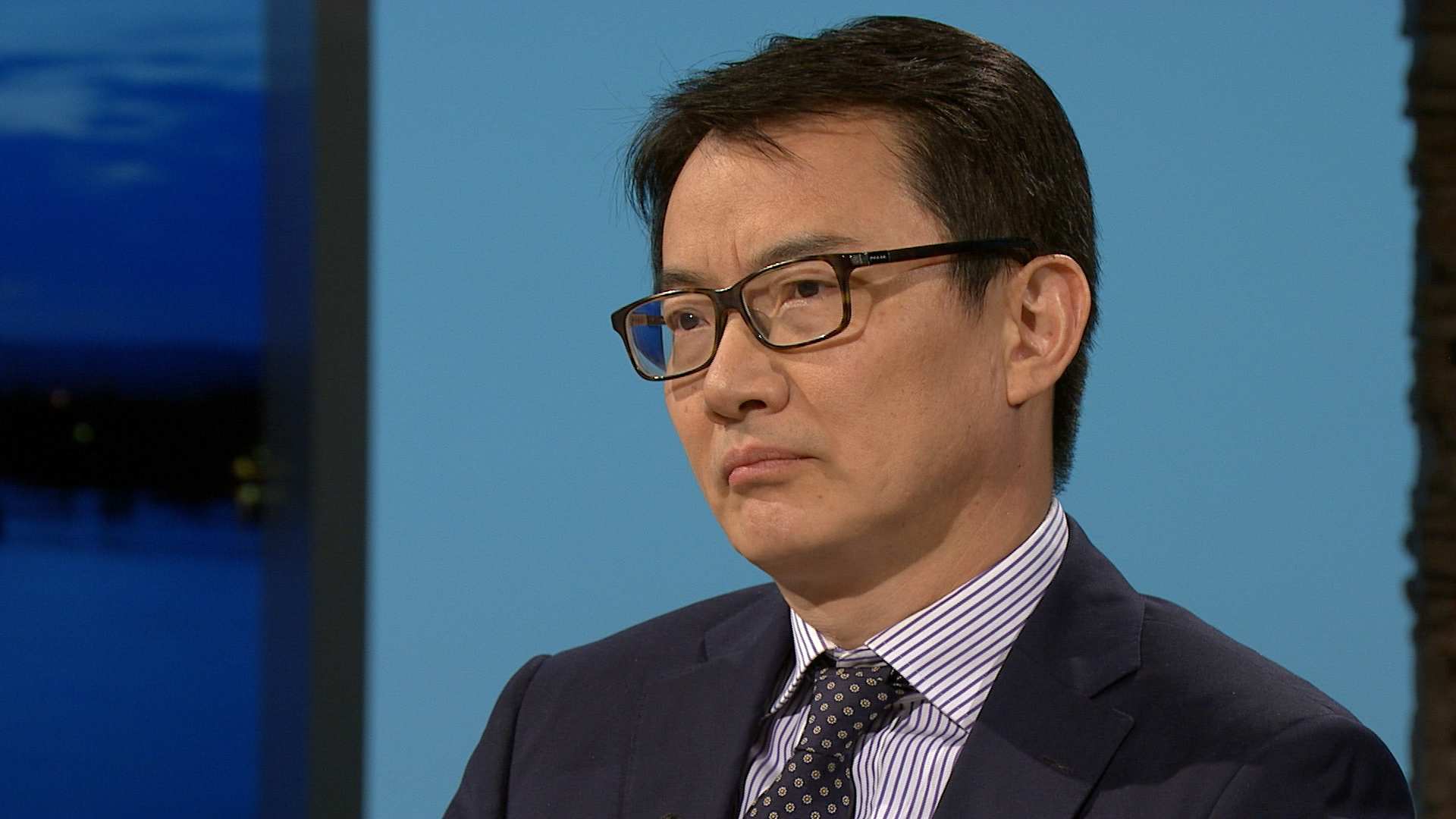
“Free trade has never been an innocent concept. It’s always determined by the will of the real power world. Germany must be happy about the WTO (World Trade Organization). [But] what about other European nations? They might be better off with closing the borders.”
The top issue between China and the EU has always been mutual access to each other's markets.
For instance, Chinese investments in EU member states are being questioned in recent years as they are considered to be dividing the EU within itself.
German research fellow Margot Schueller from the GIGA Institute Hamburg presented the demands of the EU.
01:36
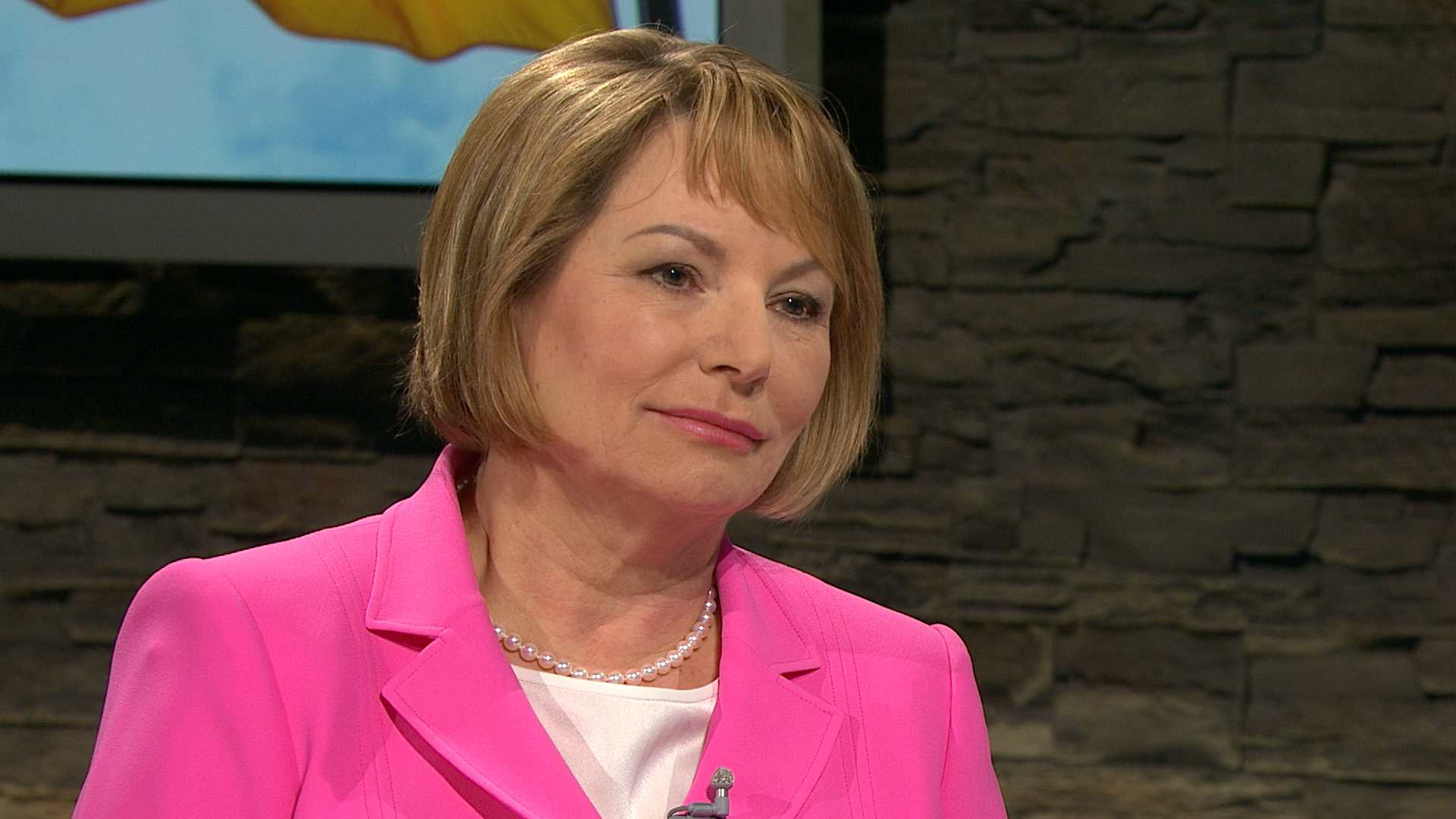
“The real problem is not we (EU) are not welcoming Chinese investing in those countries [that lack infrastructure],” she said.
“What we want is that when Chinese companies invest,” Schueller added, “they have to go through our regulatory requirements. They have to do it together with the EU commission.”
Gao stated that the issue of Chinese investments in Central and Eastern Europe is a lesson for both China and the EU.
“There is a learning process both for China as well as EU member states. The governments [of Central and Eastern European states] are waiting years and years for money from Brussels. It’s not coming. The EU also needs to mobilize the resources in China, so that the member states can really benefit from the connectivity and boosting-up infrastructure projects.”
Trans-Atlantic ties have been the pillar economically not only for Europe and the US but the entire world, not to mention their political importance.
However, some have perceived a growing gap between the two sides of the Atlantic Ocean with Donald Trump taking on the US presidency.
Professor Sebastian Heilmann, who is from Mercator Institute for Chinese Studies, said that counter actions are being taken to save the frameworks that were established before Trump became president.
00:36
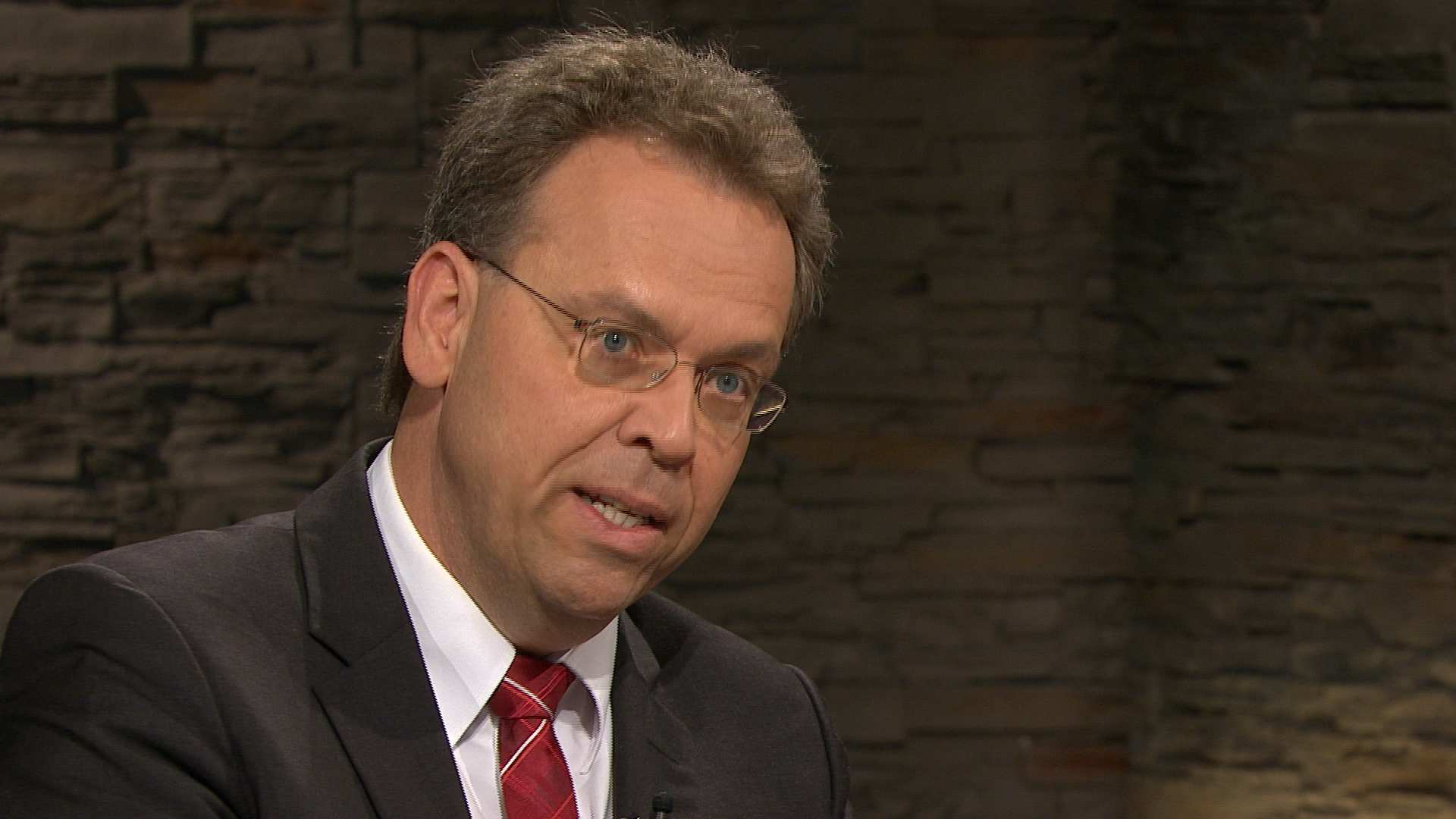
“The Europeans are extremely unhappy with the current American administration. If the Trump administration crashes certain international multilateral agreements, you cannot just sit there and be passive. You have to do something to save these accords. We really have to face the situation where these alliances and these agencies are shifting [a bit] in the next few years.”
We are looking forward to the second leg of the CGTN-NDR cooperation later this year for more excellent exchanges of ideas.