
World
23:06, 02-Aug-2018
Thai traders scoff at plastic bag ban
Updated
22:53, 05-Aug-2018
 ["other","Asia"]
Share







Copied
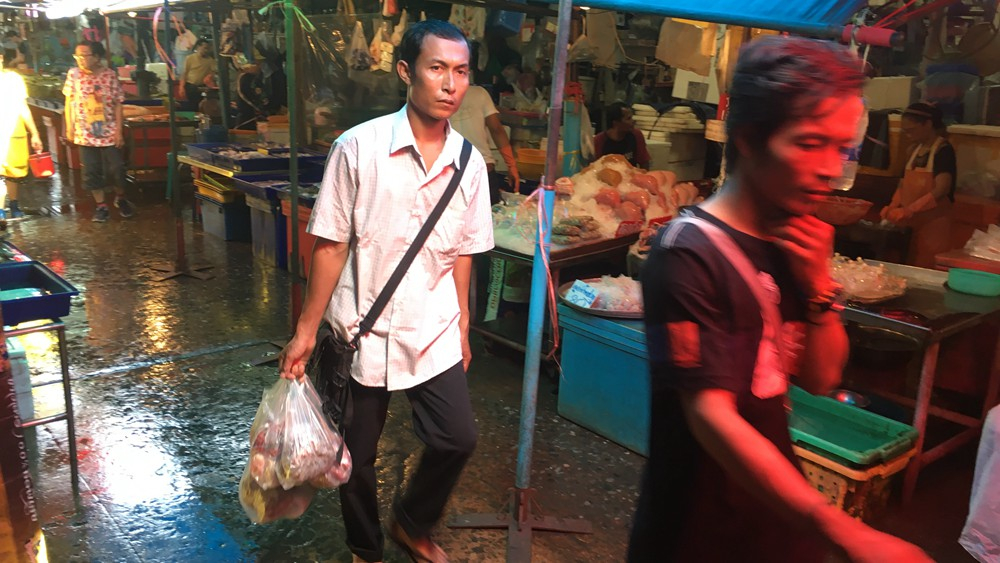
Open 24 hours a day, seven days a week, Klong Toey is Bangkok’s biggest fresh food market. Tens of thousands of plastic bags are dispensed daily – to wrap fish, meat, ice, fruit, vegetables and a host of other products. This is where more plastic bags are handed out than perhaps anywhere else in Thailand.
Few problems have prompted such widespread agreement as the need to cut plastic waste. But for those who rely on plastic, some say getting rid of things like plastic bags is simply not practical.
Globally, countries are uniting to cut the use of plastic – seen as a major polluter. But here on the shopping front line, traders and buyers all say there’s no alternative.
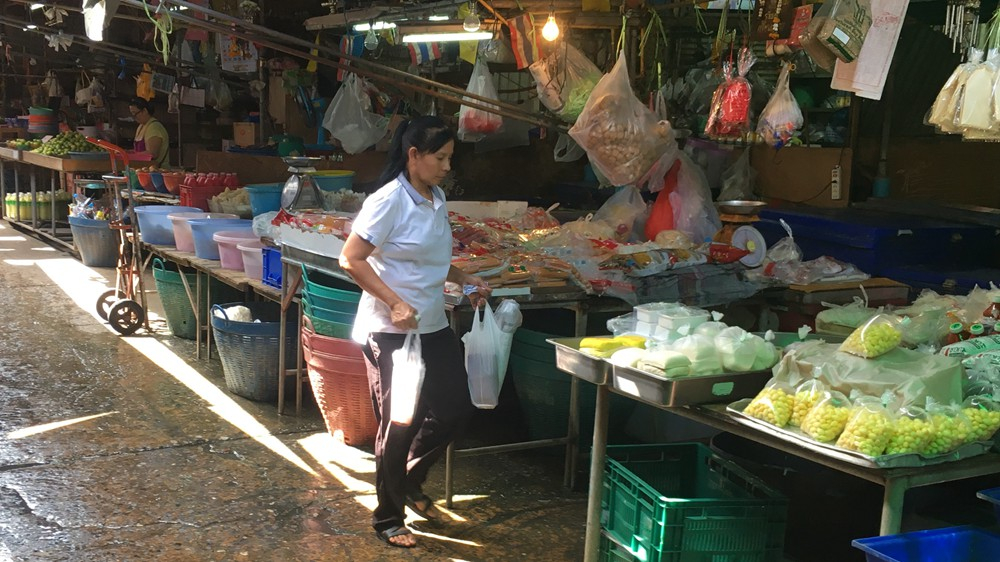
Hundreds of thousands of bags are used at markets every day. /CGTN Photo
Hundreds of thousands of bags are used at markets every day. /CGTN Photo
Fish seller Valana Tinpae says she often needs to use three plastic bags at a time – one for the fish, one for ice to keep it fresh and another to put the first two bags inside.
“If we don’t use plastic bags what else can we use? A cloth bag? No we can’t. A paper bag can be torn even with vegetables because they are wet. Fruit can go in a cloth bag but not fish like this, it cannot!” Tinpae said.
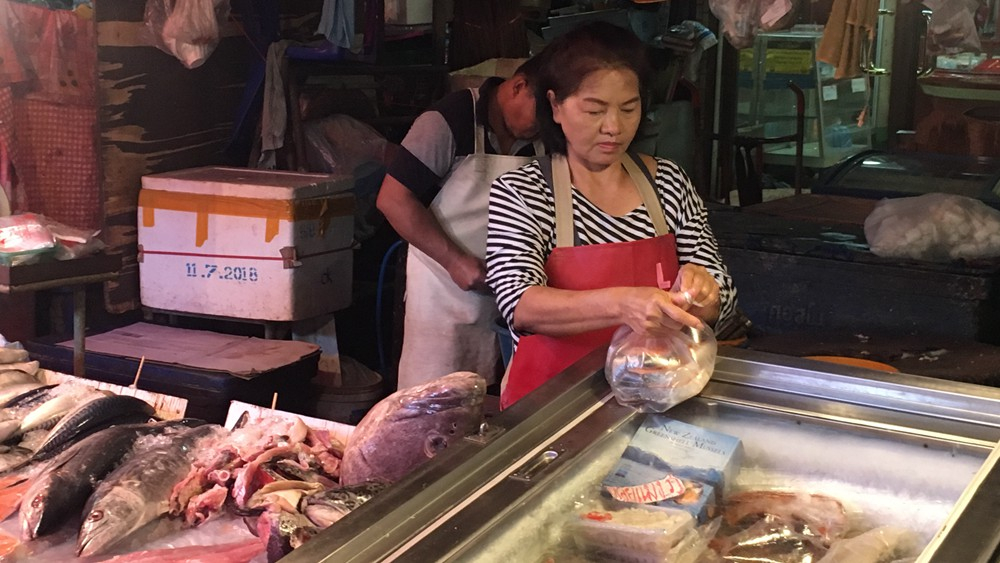
Fish seller Valana Tinpae asks: “If we don’t use plastic bags, what else can we use?” /CGTN Photo
Fish seller Valana Tinpae asks: “If we don’t use plastic bags, what else can we use?” /CGTN Photo
A few stalls down, meat seller Panida Sangchan agrees: “What can we replace plastic with? It would have to be a box and the cost would increase, right?We need to use plastic when we freeze and transport meat.”
Thailand is one of five Asian countries responsible for half the plastic waste that’s washed into the world’s oceans.
Paying the highest price for the use of plastic is marine life. Every year hundreds of turtles, dolphins and whales are stranded on Thai beaches, their insides clogged with plastic.
In a canal in the southern Thai province of Songkhla, a pilot whale choked to death with eight kilograms of plastic in its stomach, including 80 plastic bags.
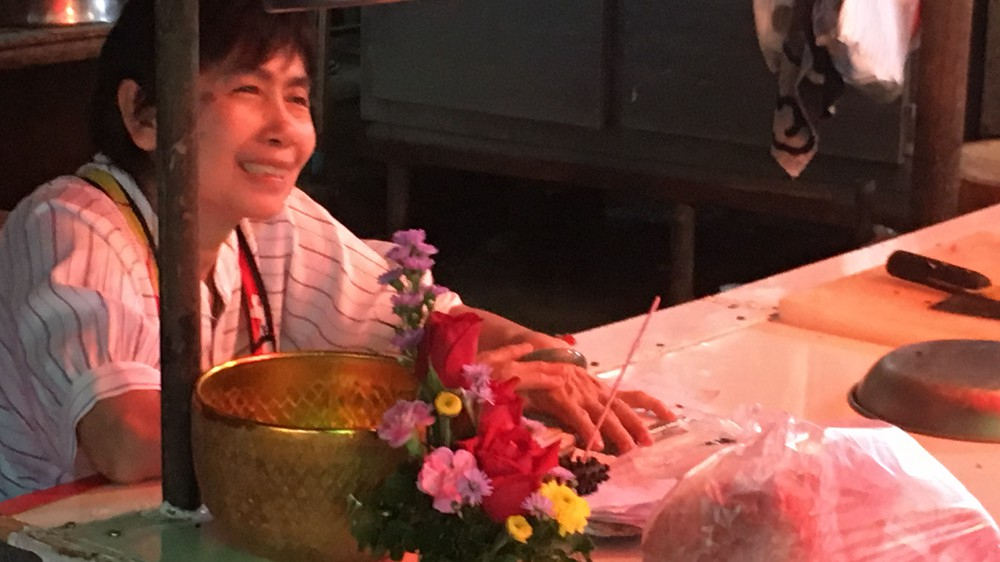
Meat seller Panida Sangchan says she needs plastic bags. /CGTN Photo
Meat seller Panida Sangchan says she needs plastic bags. /CGTN Photo
The Thai government is targeting markets in a campaign to cut the country’s use of 45 billion plastic bags a year by almost half.
Shopper Meree Sansuk knows about the campaign but still thinks plastic bags are essential.
“If it’s vegetables we can wrap them in banana leaves, but I think we have to use plastic bags for things like fish, they’re wet and smelly, and they won’t let me on the bus otherwise,” she said.
Paveera Jaikaengdee says shopping can be messy and different types of food have to be kept separate.
“If they don’t let us use plastic bags it will be difficult,” she said.
“Things like shrimp and squid, they need to be separated from chili. Paper bags won’t work, they will rip.”
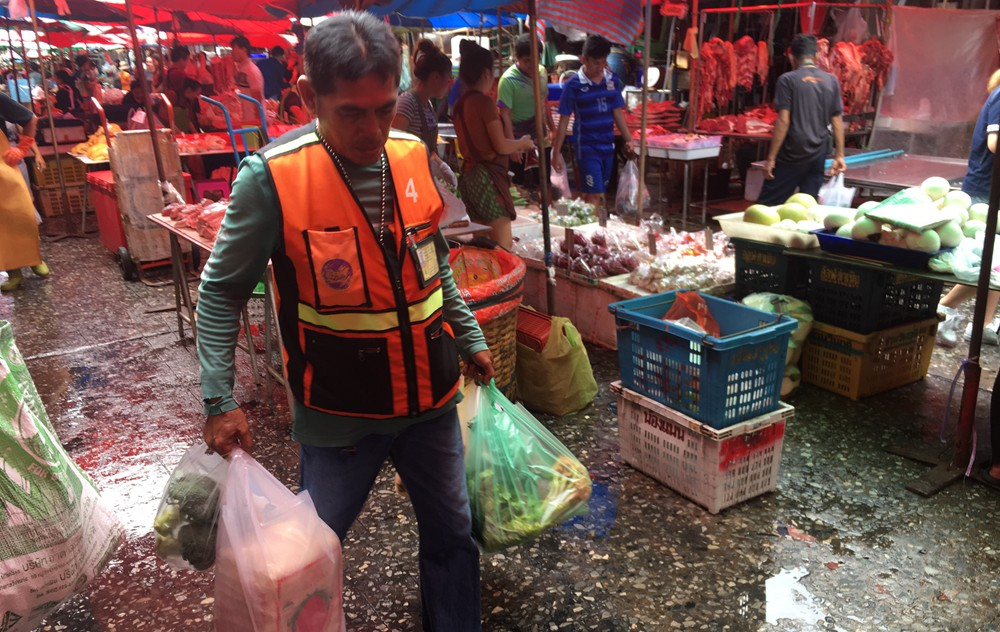
Plastic bags keep meat, fish and other purchases separate. /CGTN Photo
Plastic bags keep meat, fish and other purchases separate. /CGTN Photo
While few would deny the need to reduce plastic waste, at Klong Toey market people are asking: “What else can do the job?”
Some are saying it’s an inconvenient truth in a world where plastic – though cheap and convenient – has been declared the enemy.
Biodegradable packaging does exist. Here in Asia it’s often made from bamboo, but costs more.
In economies where every dollar and cent counts, that’s a major consideration.
(Top image: A plastic ban is just “not practical,” say traders and shoppers in Thailand. /CGTN Photo)