
Health
17:36, 13-May-2019
Brazil water woes: Pesticides in drinking water causes fear
 ["china"]
Share







Copied
02:36
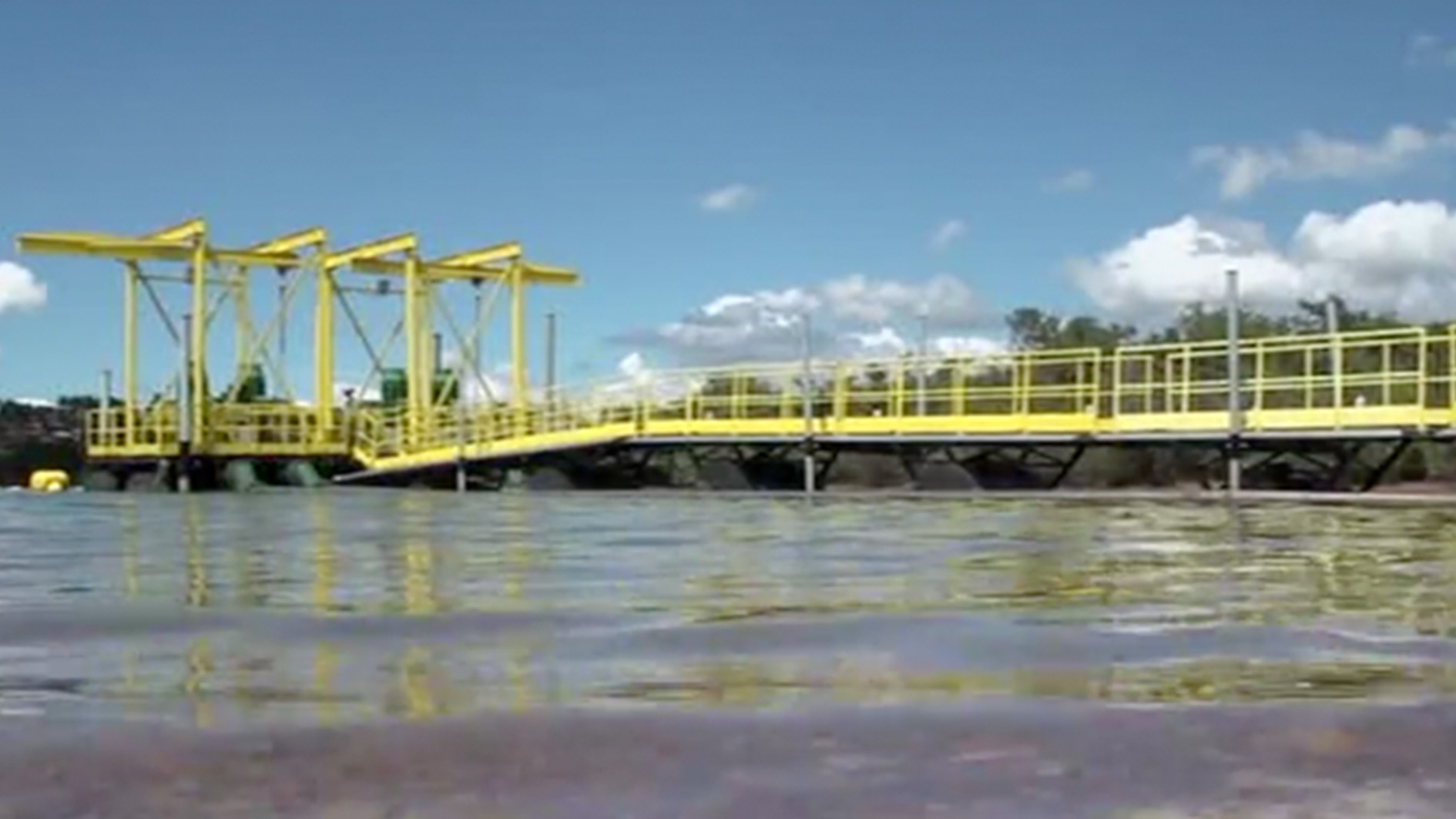
A recent study in Brazil has found high levels of pesticides in the drinking water of about a quarter of all Brazilian cities. These results are causing alarm among activists.
Brazilian agriculture is heavily dependent on these chemicals, especially large-scale farming. They were essential in the country's drive to become one of the world's biggest food producers and exporters, but they can also seep into groundwater that supplies drinking water.
A recent study – conducted by a consortium of investigative journalists using official government data – unveiled that drinking water in 1,396 towns, or about one-fourth of Brazilian cities, tested positive (RVL) for traces of 27 kinds of pesticides. Eleven of these are forbidden in Brazil and 21 are banned in the European Union (EU).
Study authors even set up an online tool so people in Brazil can check results in their own cities. One of the researchers explained how in most cases, each individual chemical was below officially acceptable levels, but she says this ignores the dangers of a so-called "cocktail effect."
"In Brazil there's not a law to regulate this mix of substances. So, if individually they are below the safety limit we don't have any safeguards. In the EU they do. There is a limit of half micrograms per liter of water for all substances combined," said Ana Aranha, an editor at Reporter Brazil.
"When a substance is tested for release, that is done using only one specific chemical, in a lab environment and using mice to run the tests. What is the impact on human health or in the environment when these elements are combined? We don't know yet," said Rafael Buralli, a pesticides researcher at University of Sao Paulo School of Public Health.
Now with Jair Bolsonaro in office – an ally of the agriculture industry – even more chemicals are in play with dozens of new pesticides approved for use this year alone. Health and environmental activists are alarmed. But many farmers say the worry is unwarranted, and that there is too much misinformation about the true use of the chemicals.
Paulo State Deputy Frederico D'Avlla belongs to President Bolsonaro's party and is the vice-president of the Brazilian Association of Soybean Producers. He is a strong advocate for the use of pesticides.
"There is no way the world can feed 7.5 billion people without using these products. Pesticides don't harm anybody. I produce beans on my farm and the same beans I have at home for my family are the ones I sell to the market."
Farmers say chemical pesticides are essential to maintaining and increasing food productivity while consumers and environmentalists are increasingly worried about their impact on the environment and people's health.