
Technology
16:01, 08-May-2019
Google I/O 2019: What they've brought us this time
 ["china"]
Share







Copied
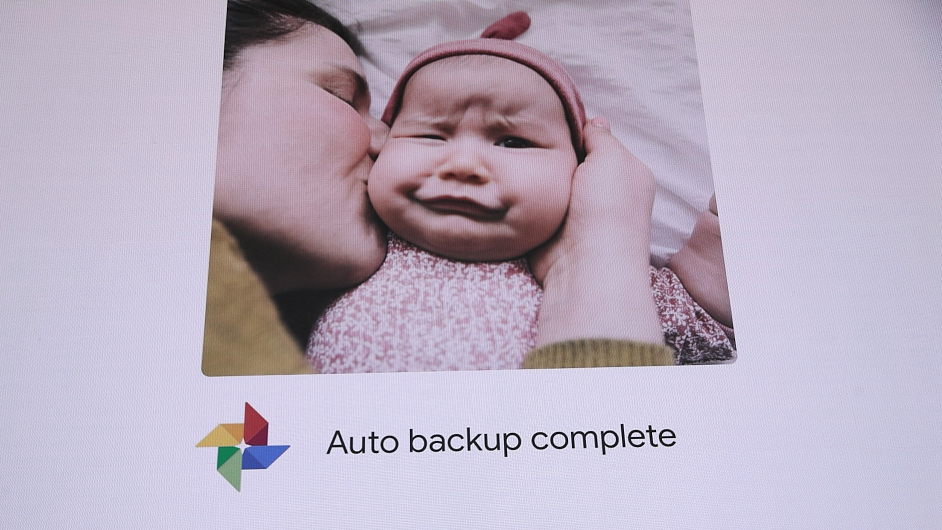
The much-anticipated three-day annual Google developer conference has kicked off at the Shoreline Amphitheater in Mountain View, California on May 7, with the CEO Sundar Pichai delivering a keynote speech on the topic of what technology can do for human beings.
Rumors about Google's announcements about the I/O have been around for several months.
Things like the new Pixel lineups, the Pixel 3a, 3a XL and the software successor, Android Q, have made headlines on many tech reports. Last year's jaw-dropping voice assistant, Google Duplex is also expected to hold more surprises with a selection of new features.
It seems like Google has not disappointed fans as they have implemented updates on everything from the search engine to the operating system, and moved from a more-advanced assistant to a people-oriented AI.
AI becomes more visual and user-friendly
Starting with its fundamental business line, the CEO explained some of the futuristic technologies behind the search platform by giving an example of the keyword searching.
Typing "black hole", you will then get a list of news-related topics, including a complete news-feed timeline showing how the black hole was spotted.
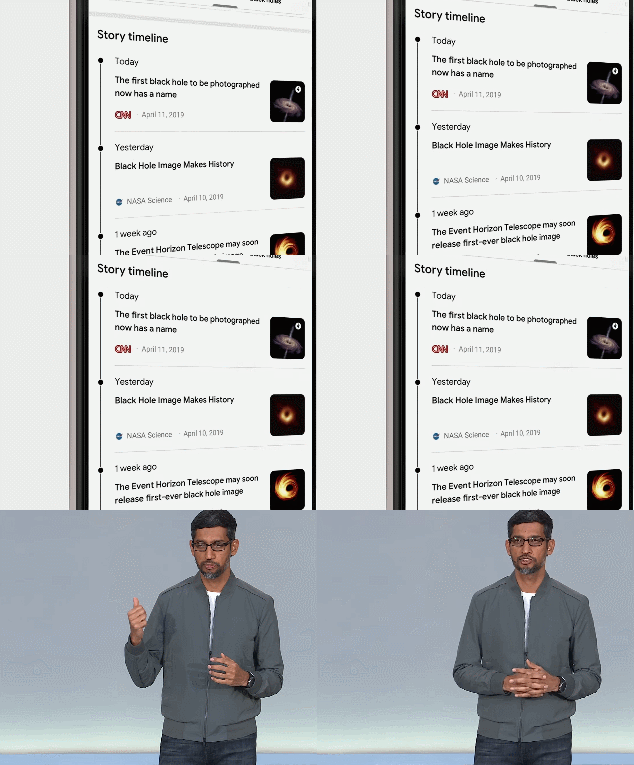
Gif from the Google I/O 2019 Live
Gif from the Google I/O 2019 Live
What's more, besides for being used to take photos and videos, the camera is now a visual tool.
The enhanced Augmented Reality (AR) visual capability not only improves the accuracy of the search function but also offers a panoramic view of the object.
Like when you want to buy a pair of shoes, you can also check whether the shoes match with your outfits after taking a 360 degree close look.
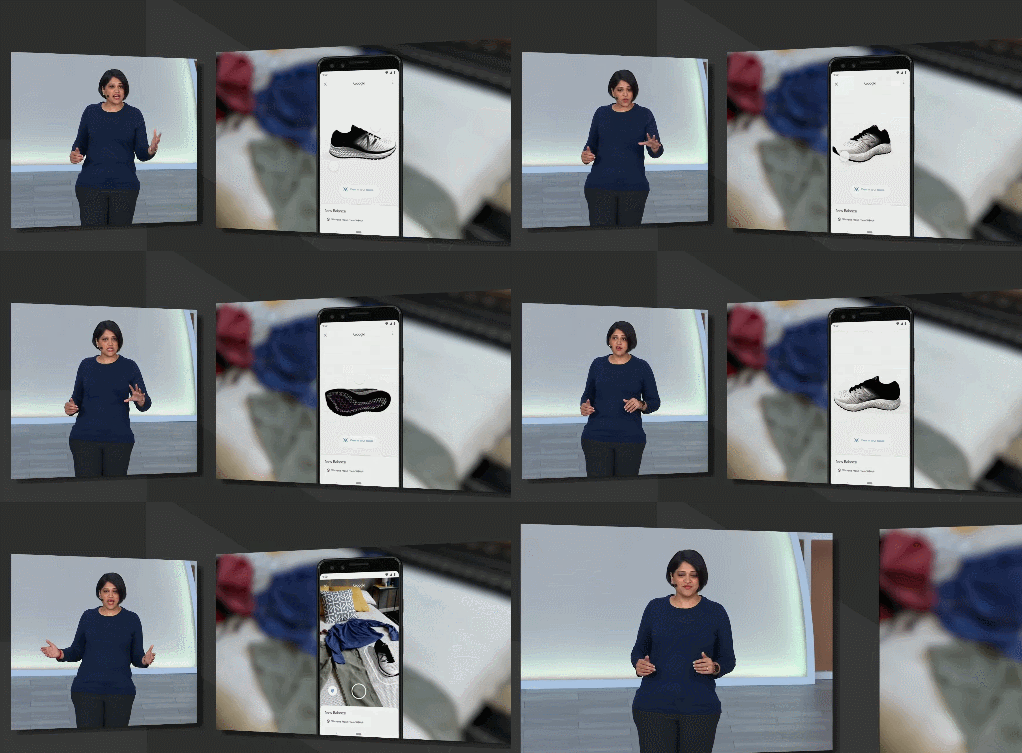
Gif from the Google I/O 2019 Live
Gif from the Google I/O 2019 Live
By adding Google Lens, the company's next generation smart camera, the search platform can now provide functions far beyond solely photo recognition.
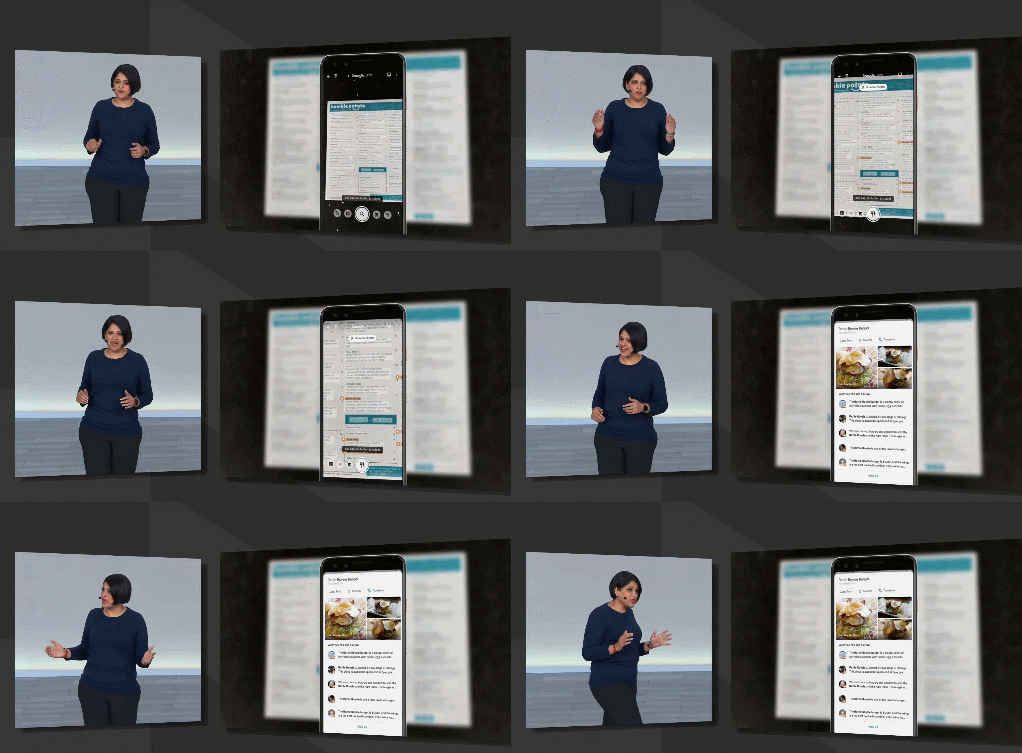
Gif from the Google I/O 2019 Live
Gif from the Google I/O 2019 Live
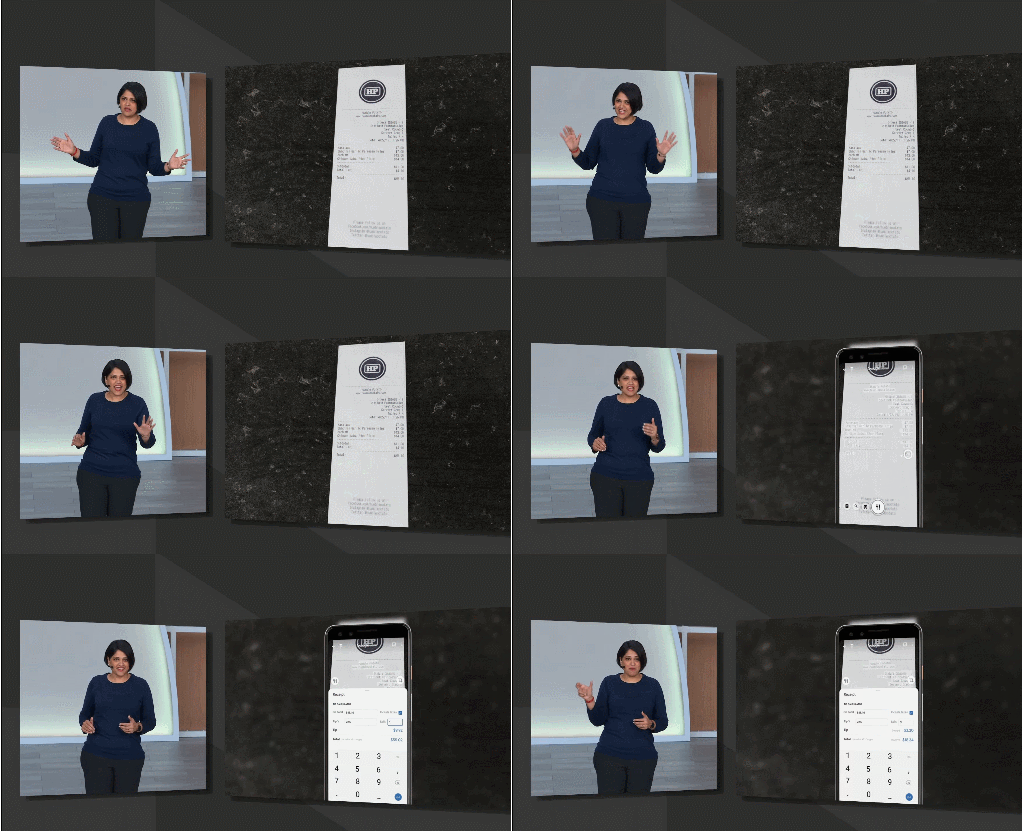
When you are in a restaurant and trying to figure out what to order, you just need to point to the menu with Google Lens and the suggested items will be marked on it like what have been shown on Yelp, where you can read comments from. The Lens will also help you pay the bill and even split the total.
Gif from the Google I/O 2019 Live
Gif from the Google I/O 2019 Live
An all-around Google Assistant
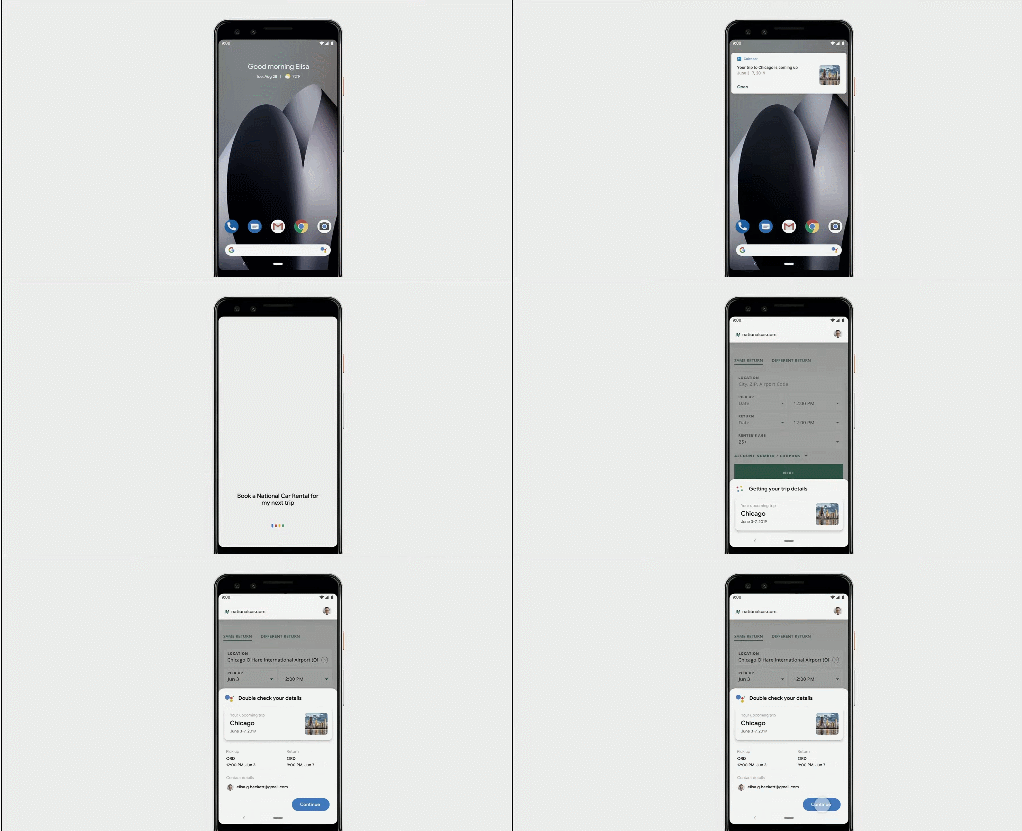
Last year Google's Duplex astonished the crowds with its life-like conversations with real people. This year, Google expands the function to free you from those time-consuming procedures on the web when you want to rent cars, book tickets or seats online.
Gif from the Google I/O 2019 Live
Gif from the Google I/O 2019 Live
Android Q highlights privacy and security
Before talking about the future trends of Android, Google first revealed its report card from the past few years. Among the six billion people worldwide, over 2.5 billion people are Android users, which means roughly one out of four people are using Android-based devices.
This time, Google brings Android Q, a new version of its operating system that highlights its privacy and security model.
It lets users restrict apps' access to the location more generally — for instance, by only allowing apps currently in use to gather the data. (Some apps record location data continuously in the background.)
In addition, Google added a new function to the top of Android's settings called "Privacy". Then you are able to check what has access to your data and deny whatever you want.
Pixel 3a—just as we've expected
Google's middle-range phone didn't hold many surprises. The design almost continues what the Pixel 3 has but with a plastic body.

Google Vice President of Product Management Sabrina Ellis announces the new Google Pixel 3A ./VCG Photo
Google Vice President of Product Management Sabrina Ellis announces the new Google Pixel 3A ./VCG Photo
Both types have a Snapdragon 670 processor, 64 gigabytes of storage, and four gigabytes of RAM. The standard 3A has a 5.6-inch screen and the Pixel 3A XL has a 6-inch display with a resolution of 2,220 x 1,080 and 2,140 x 1,080 respectively.
Although the new chipset on the 3a and 3a XL cannot compete with the high-end 845 processor on Pixel 3, the camera capability remained on the new lines still attractive enough for people who cannot afford those expensive Pixels.
The Pixel 3a series feature an eight megapixel front lens and a 12.2 lens on the back, using the same camera hardware like the Pixel 3, which can produce almost-same photos but for half the price.
According to the company, the new devices are now available from Google's partners like T-Mobile, Sprint, and Verizon.