
Politics
17:17, 12-May-2018
WFP: DPRK needs cont'd efforts in poverty reduction amid progress made
 ["china"]
Share







Copied
02:53
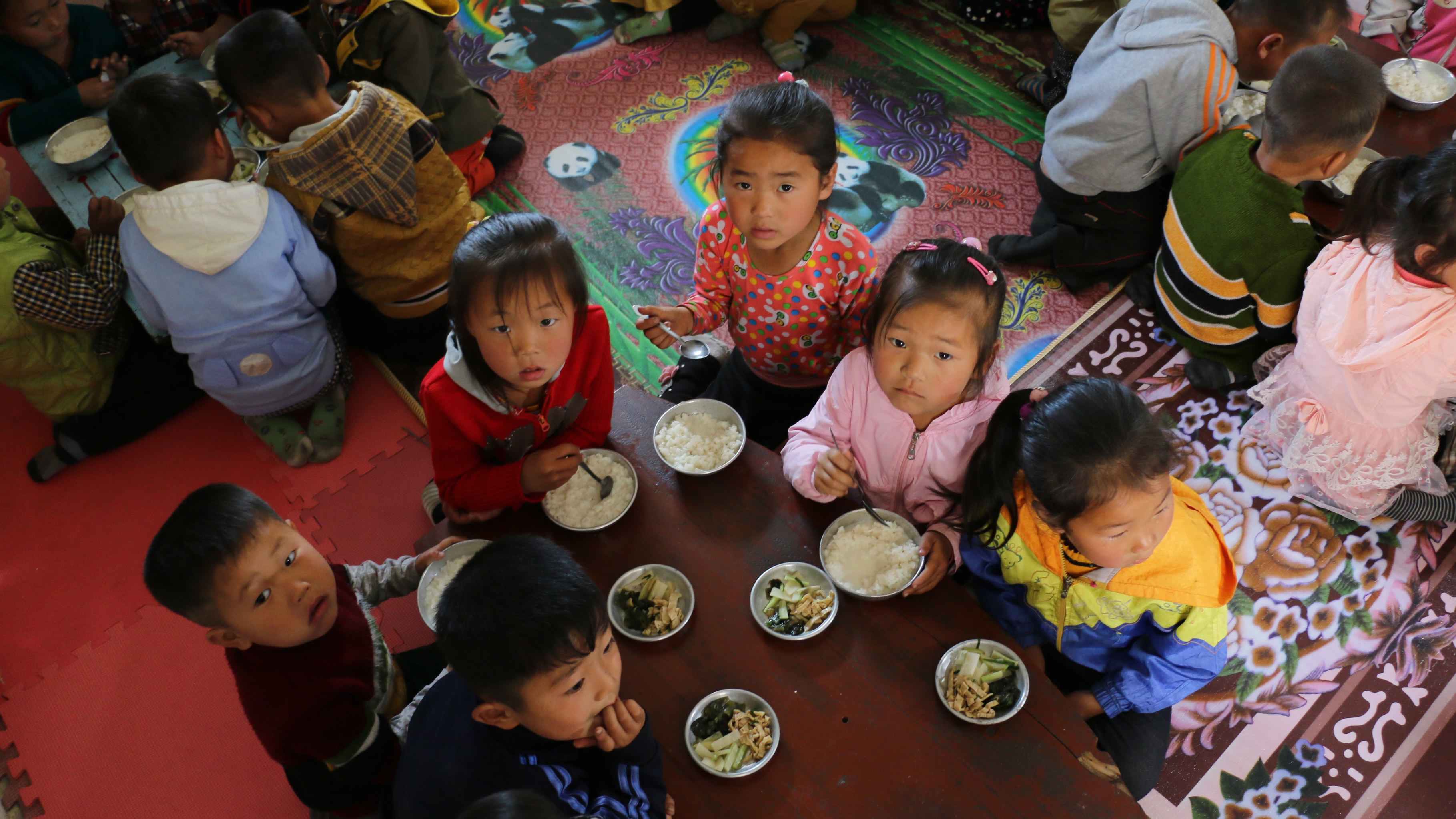
The Executive Director of the United Nations World Food Programme (WFP), David Beasley, concluded an official visit to the Democratic People’s Republic of Korea (DPRK) from May 8-11. During his stay in Beijing, CGTN's Hou Na sat down with him to talk about his experiences in the DPRK and cooperation with China.
“I came to DPRK to listen, look and learn with an open mind. This visit has given me a first-hand opportunity to assess the needs and evaluate WFP’s operations on the ground. While there are significant challenges ahead, I am nevertheless optimistic. I see a country that is working hard to achieve food security and good nutrition. Since WFP began working here 23 years ago, much progress has been made, but much work lies ahead. There is a real need for continued humanitarian assistance, especially when it comes to meeting the nutritional needs of mothers and young children. I do believe that with hard work and support from around the world we’ll be able to make a difference,” Beasley said.
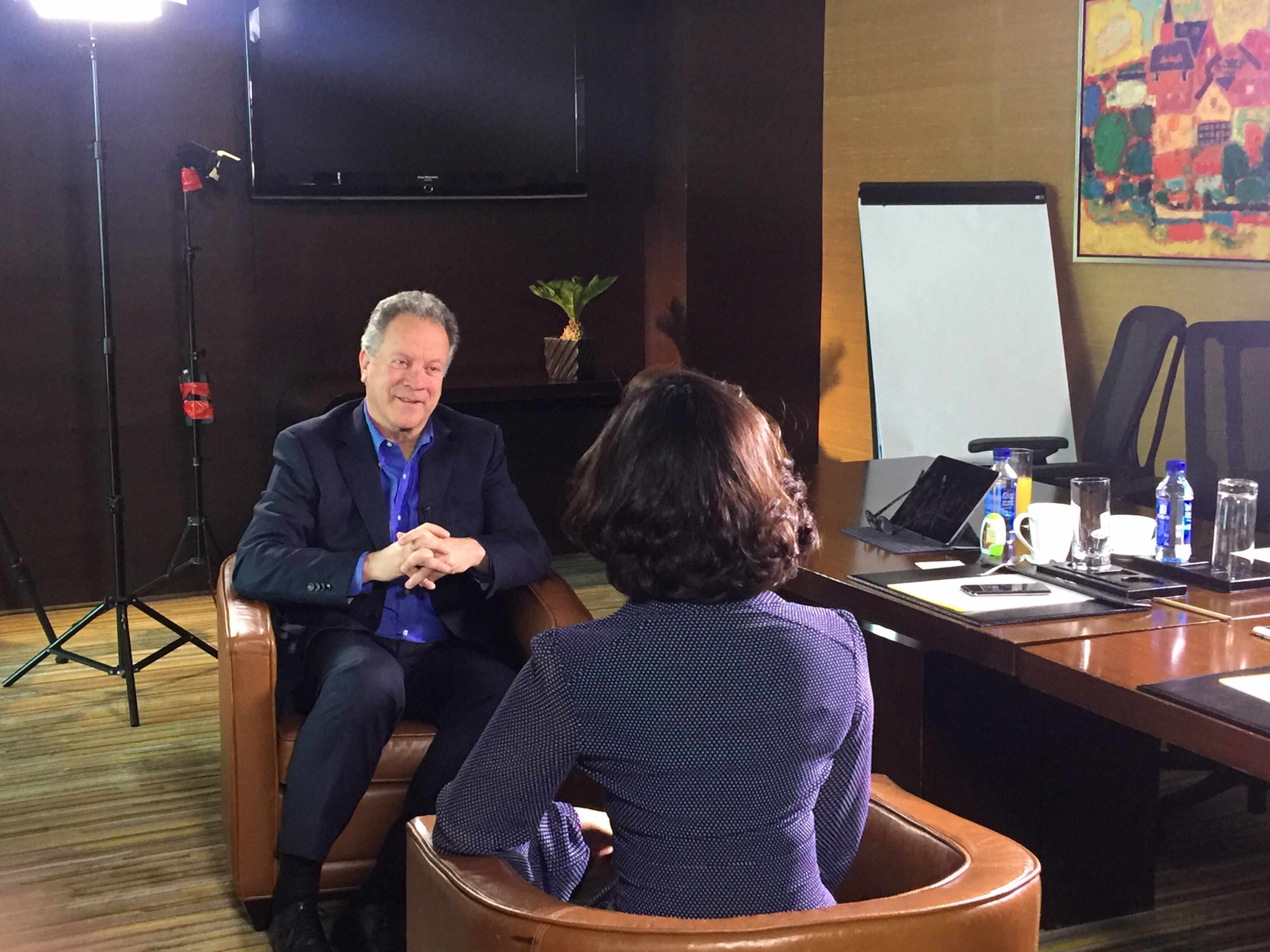
CGTN's Hou Na interviews David Beasley, Executive Director of the United Nations World Food Programme. /CGTN Photo
CGTN's Hou Na interviews David Beasley, Executive Director of the United Nations World Food Programme. /CGTN Photo
During his visit, Beasley spent two days in the capital city Pyongyang meeting with senior government officials and two days visiting a number of WFP projects in different parts of the rural areas of the country.
He travelled to Sinwon County in South Hwanghae Province where he saw a food-for-assets project in Komchon Ri village and visited a WFP-supported children’s nursery. He also travelled by vehicle from Pyongyang to Sinuiju City in North Pyongan Province, visiting a local factory where WFP produces fortified biscuits for its projects.
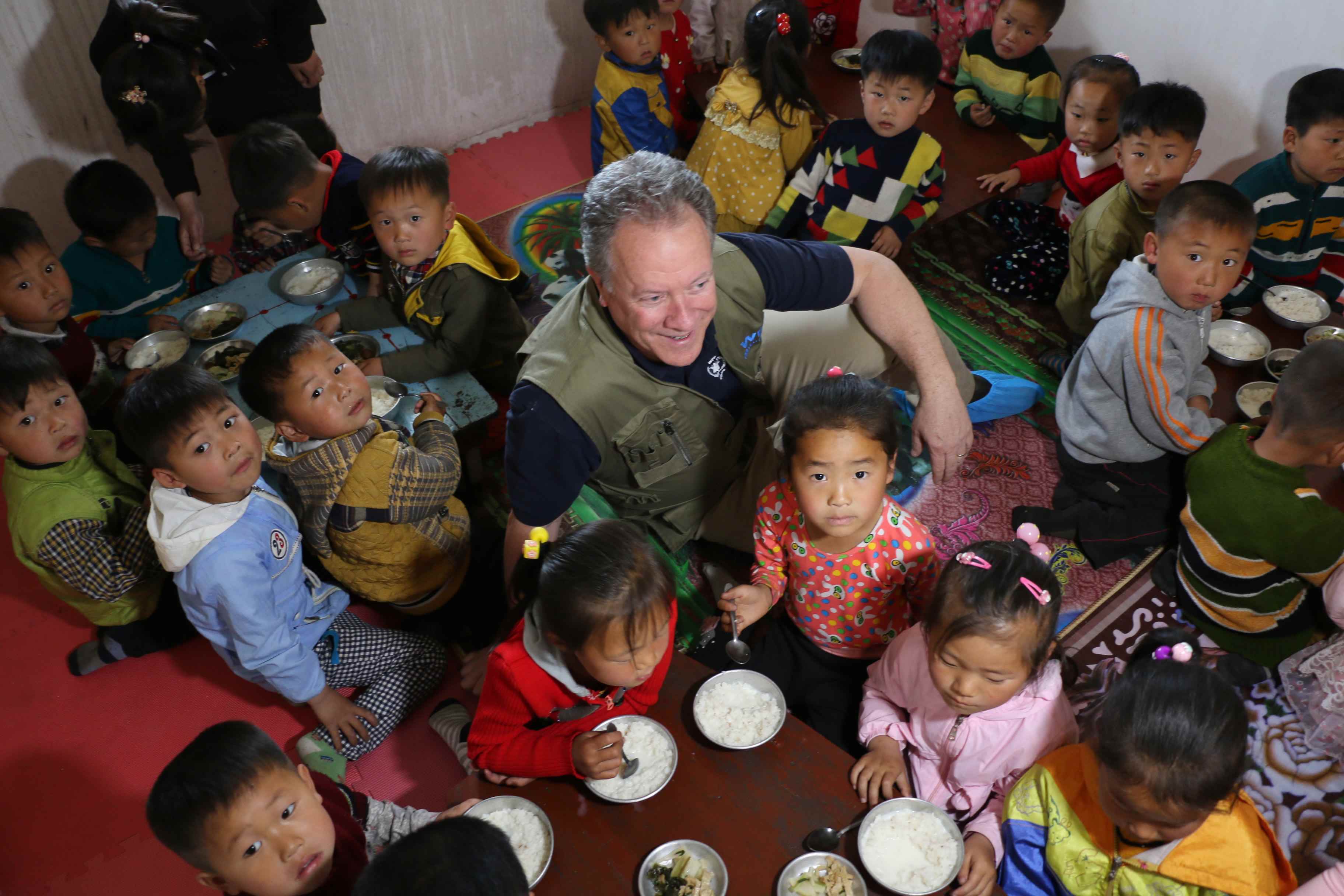
David Beasley, Executive Director of the United Nations World Food Programme, plays with children from the Democratic People's Republic of Korea (DPRK). /CGTN Photo
David Beasley, Executive Director of the United Nations World Food Programme, plays with children from the Democratic People's Republic of Korea (DPRK). /CGTN Photo
WFP aims to assist 650,000 women and children in the DPRK every month, providing highly nutritious, fortified cereals and biscuits that can address their nutritional needs. Funding shortfalls have meant that rations have had to be reduced and suspended in some cases.
When talking about China's effort in poverty reduction, David Beasley said China's success is tremendous in addressing hunger and it is a model to be replicated.