
World
14:44, 19-Aug-2018
Millions gather at Mecca as Hajj begins amid Saudi-Qatar spat
Updated
14:21, 22-Aug-2018
 ["other","Middle East"," Saudi Arabia"]
Share







Copied
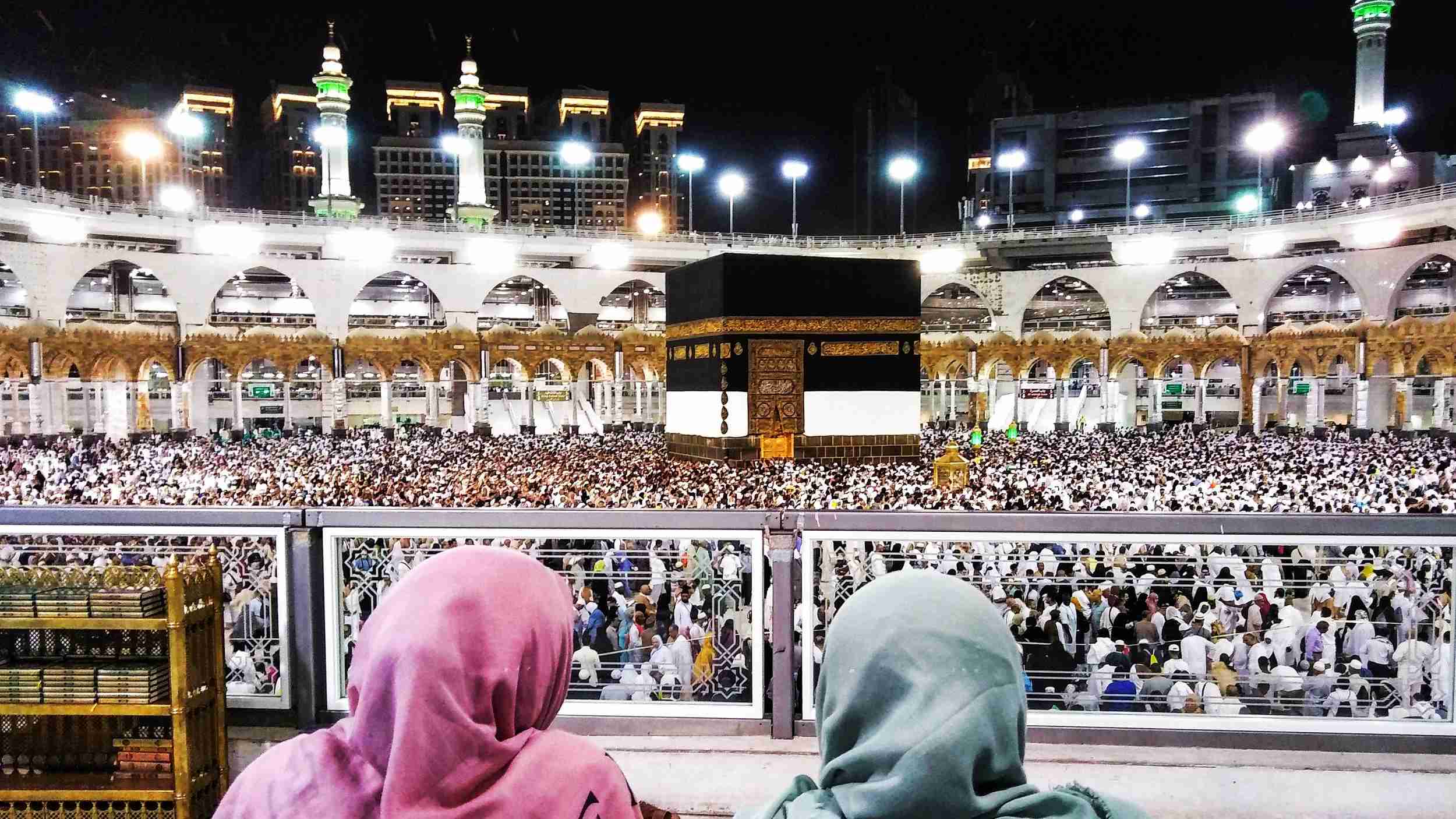
The bitter spat between the Gulf rivals Qatar and Saudi Arabia has cast its shadow on this year’s Hajj that begins on Sunday, with Doha accusing Riyadh of blocking its citizens from performing the annual Muslim pilgrimage while the latter vehemently denying the charges.
Qatari officials claimed that despite 1,200 of its nationals being eligible for the pilgrimage under a quota system, it has become nearly impossible to get entry permits for prospective pilgrims due to Doha’s diplomatic rift with Saudi Arabia, the UAE, Bahrain and Egypt.
Saudi Arabia and its three Arab allies severed diplomatic ties and also closed land, air and sea links with Qatar in June last year, accusing it of funding terrorism, which Doha denies.
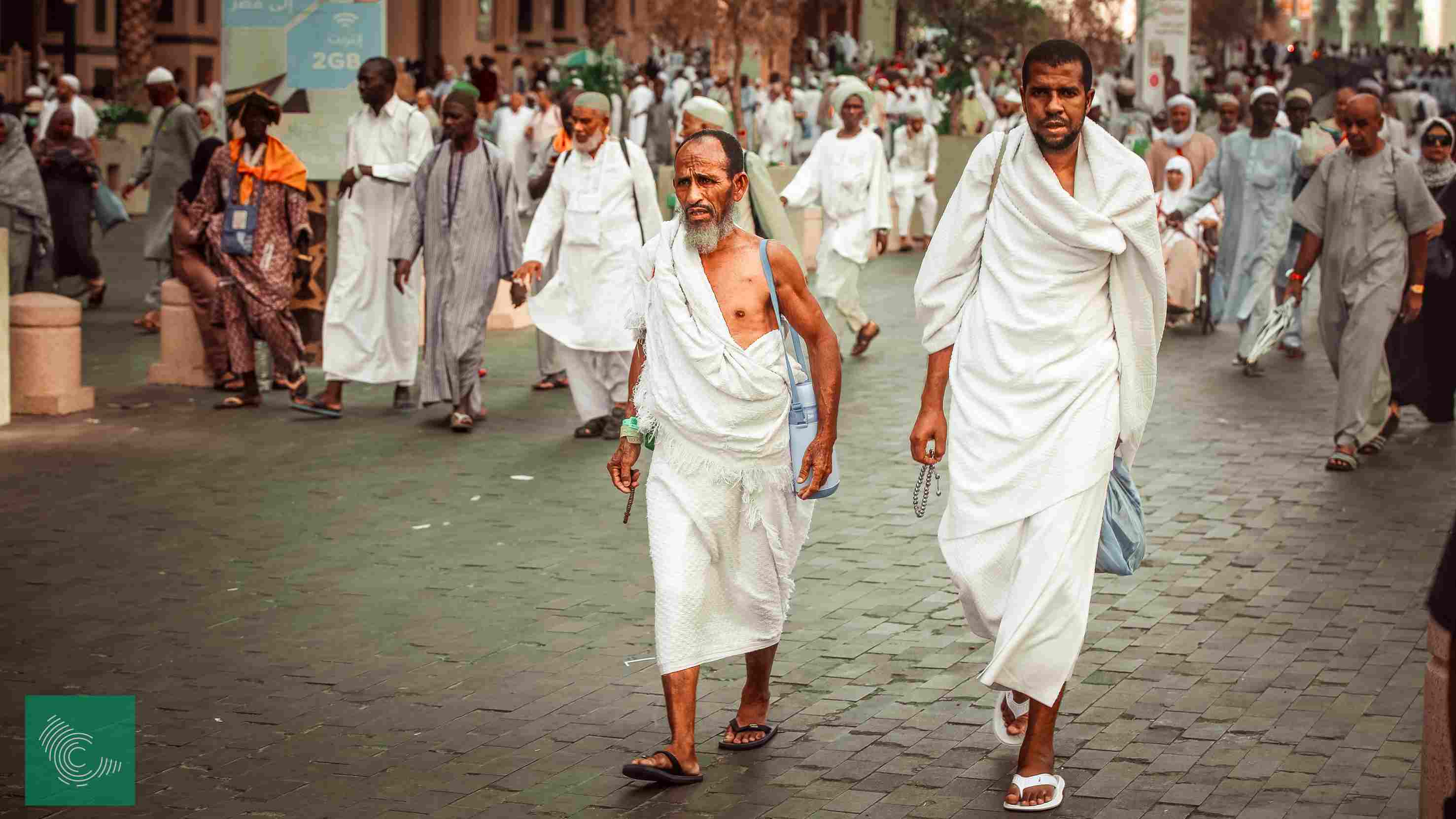
A group of pilgrims walk on the streets of Mecca, Saudi Arabia, August 18, 2019. /Photo via CIC, Saudi Arabia
A group of pilgrims walk on the streets of Mecca, Saudi Arabia, August 18, 2019. /Photo via CIC, Saudi Arabia
Related story: Saudi Arabia boosts healthcare facilities as it prepares to host millions of Hajj pilgrims
Qatar’s latest accusation comes even as Saudi authorities officially announced on Saturday that the total number of pilgrims performing Hajj this year has now surpassed two million, the majority from outside the kingdom. Officials said that the final numbers may increase with the arrival of more pilgrims in the next couple of days.
Sunday marks the first day of the Hajj, the annual pilgrimage of Muslims to Mecca, which will conclude next Friday.
Abdullah Al-Kaabi of the state-run Qatar National Human Rights Committee told Reuters that Saudi Arabia had shut down an electronic system used by travel agencies to obtain permits for pilgrims from Qatar. However, a Saudi official rejected those charges saying Qatar had itself blocked several registration links set up for its pilgrims.
Al-Kaabi maintained that registration of Qatari pilgrims remained closed, and residents of Qatar could not be granted visas as there are no diplomatic missions. “There is no chance this year for Qatari citizens and residents to travel for Hajj,” he lamented.
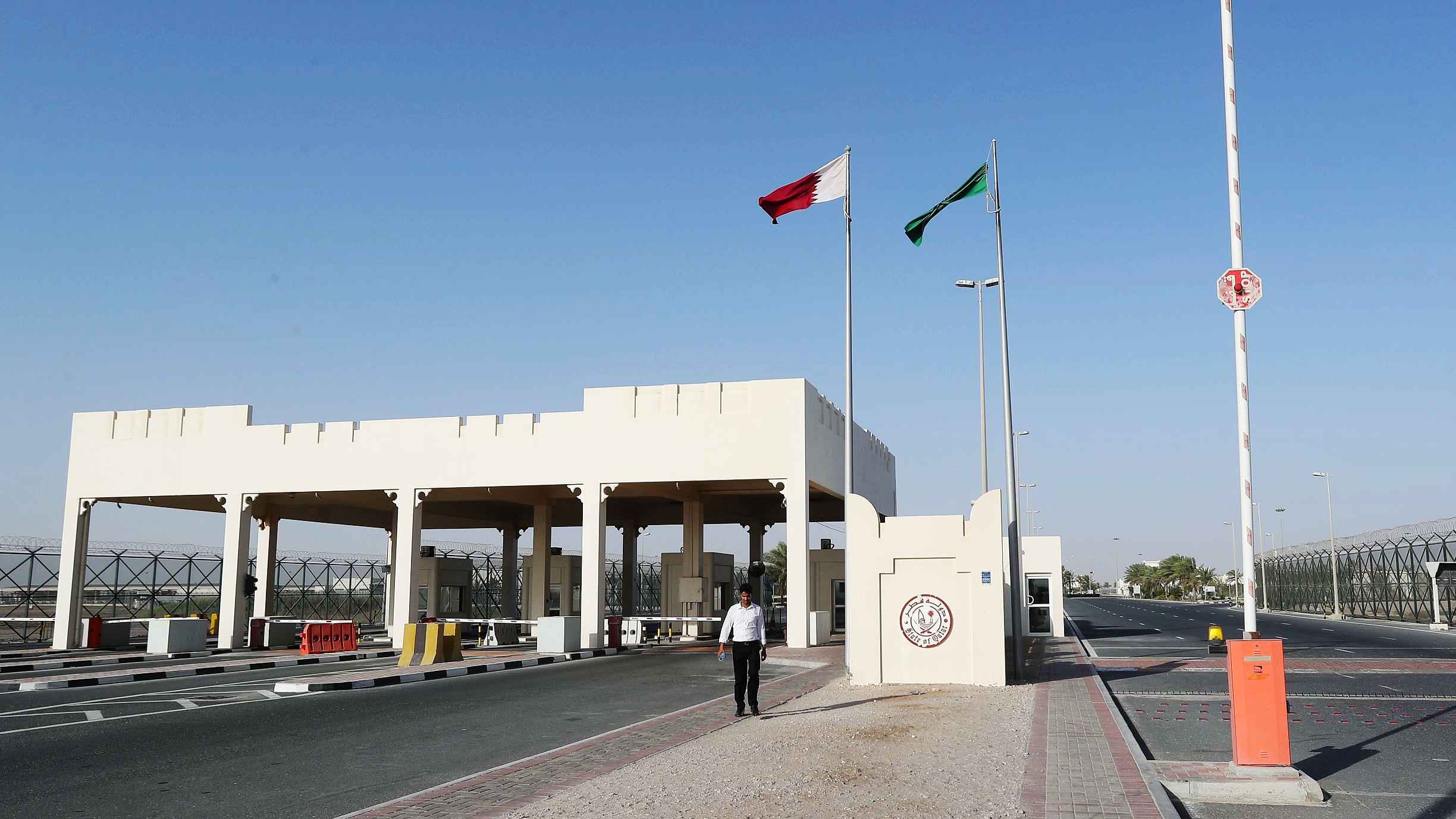
A general view of the Qatari side of the Abu Samrah border crossing with Saudi Arabia, June 23, 2017 /VCG Photo
A general view of the Qatari side of the Abu Samrah border crossing with Saudi Arabia, June 23, 2017 /VCG Photo
An official at Saudi Arabia’s Ministry of Hajj and Umra however dismissed Qatar’s charges and told Reuters that a group of Qataris have already arrived for the pilgrimage, but he did not reveal the numbers or confirmed whether they had traveled directly from Qatar. Last year, 1,624 Qatari pilgrims attended, he said.
Last Tuesday, a Saudi official told Abu Dhabi-based The National newspaper that Qatari nationals will be provided Hajj visas on arrival while blaming Doha for attempting to block access to its citizens wishing to travel to Mecca for the pilgrimage.
The official from the Ministry of Hajj and Umra asserted that it is Saudi Arabia’s duty to “provide every necessary measure for all our Muslim brothers around the world to perform Hajj.”
A statement on the Hajj Media Service, the official website for all news on Hajj, said that preparation was in place to receive Qatari pilgrims. “Qataris can come on all airlines, except for Qatari airlines, and that Qataris living in the kingdom (of Saudi Arabia) can apply through the website set up for Qatari citizens,” a statement on the website said.
Direct flights between Qatar and Saudi Arabia have stopped running since the blockade that started in June 2017, but citizens can still fly to Jeddah via Muscat or Kuwait City.
However, three travel agencies in Doha told Reuters that they aren’t selling Hajj packages, which can cost up to 120,000 Qatari riyals (33,000 US dollars), any more due to the losses they incurred immediately after the diplomatic spat broke out last year.
“Last year we lost a lot of money as the crisis started after we had booked everything in Mecca and Medina and we had to pay people back,” said a manager of one travel agency in Doha, on condition of anonymity.
“This year, nobody is really trying as people have understood there is no way to go there in these circumstances.”
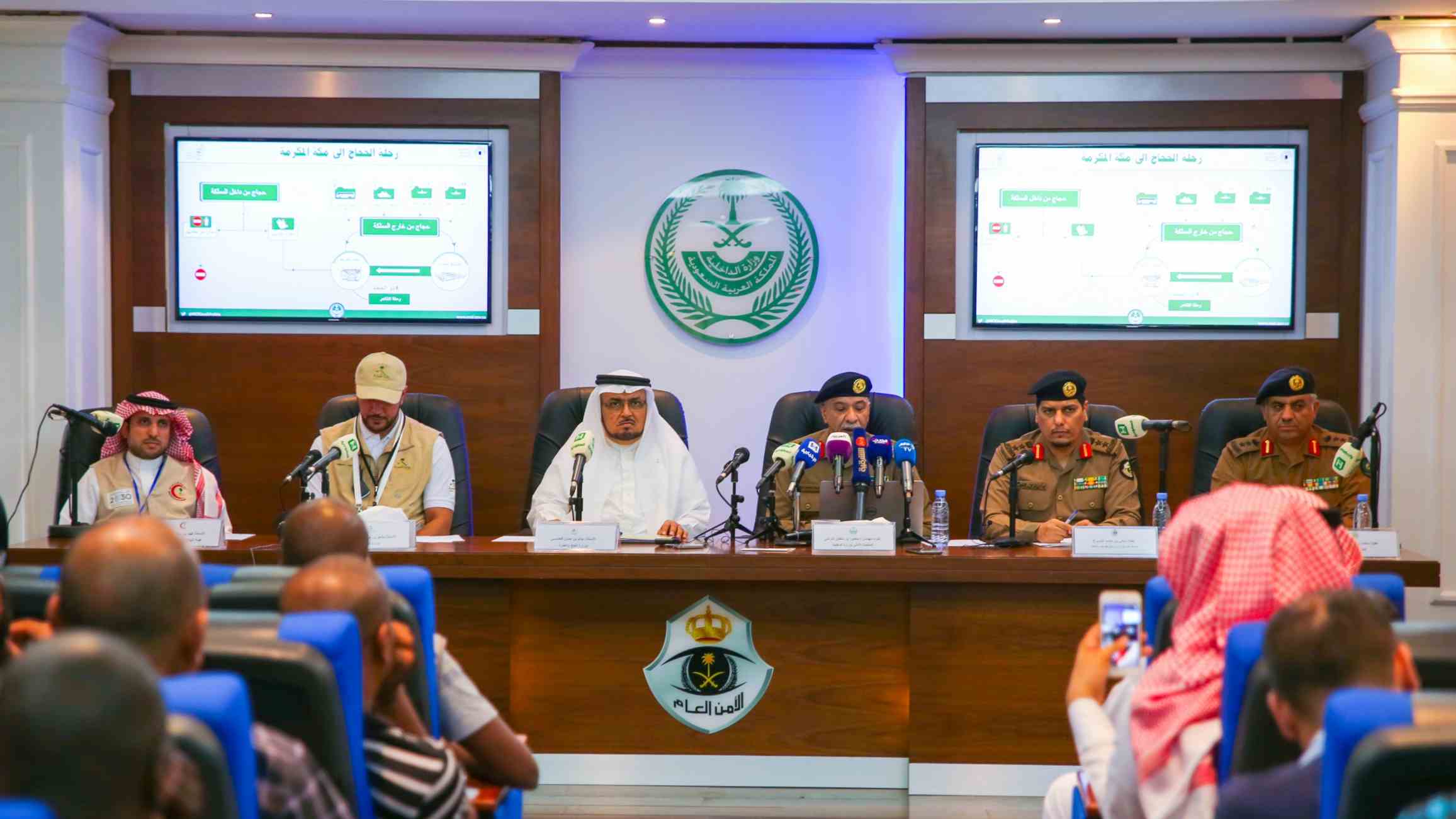
Saudi officials address the media about the preparations for Hajj at a press conference in the holy city of Mecca, Saudi Arabia, August 18, 2018. /Photo via CIC, Saudi Arabia
Saudi officials address the media about the preparations for Hajj at a press conference in the holy city of Mecca, Saudi Arabia, August 18, 2018. /Photo via CIC, Saudi Arabia
Meanwhile, Saudi Arabia announced on Saturday that over two million pilgrims will perform Hajj beginning Sunday.
“According to preliminary statistics, the number of pilgrims who have already arrived has passed two million,” Major General Mansour Al Turki, official spokesman for the Ministry of Interior, said at a press conference in Mecca. He added that the number includes 240,000 domestic pilgrims, both Saudis and foreign residents of the kingdom.
But the total number of pilgrims may increase, he said, noting, “We expect the arrival of a small number of pilgrims by Sunday.” The General Authority for Statistics will issue on Tuesday the final number of pilgrims who have been able to perform Hajj this year.
(With input from agencies)
(Cover: Two female pilgrims watch as others circumambulate around the Kaaba, Islam's holiest shrine, at the Grand Mosque in Saudi Arabia's holy city of Mecca prior to the start of the annual Hajj pilgrimage, August 17, 2018. /VCG Photo)
7393km