
Politics
16:22, 26-Apr-2018
Explainer: Inter-Korean summits
 ["china"]
Share







Copied
01:17
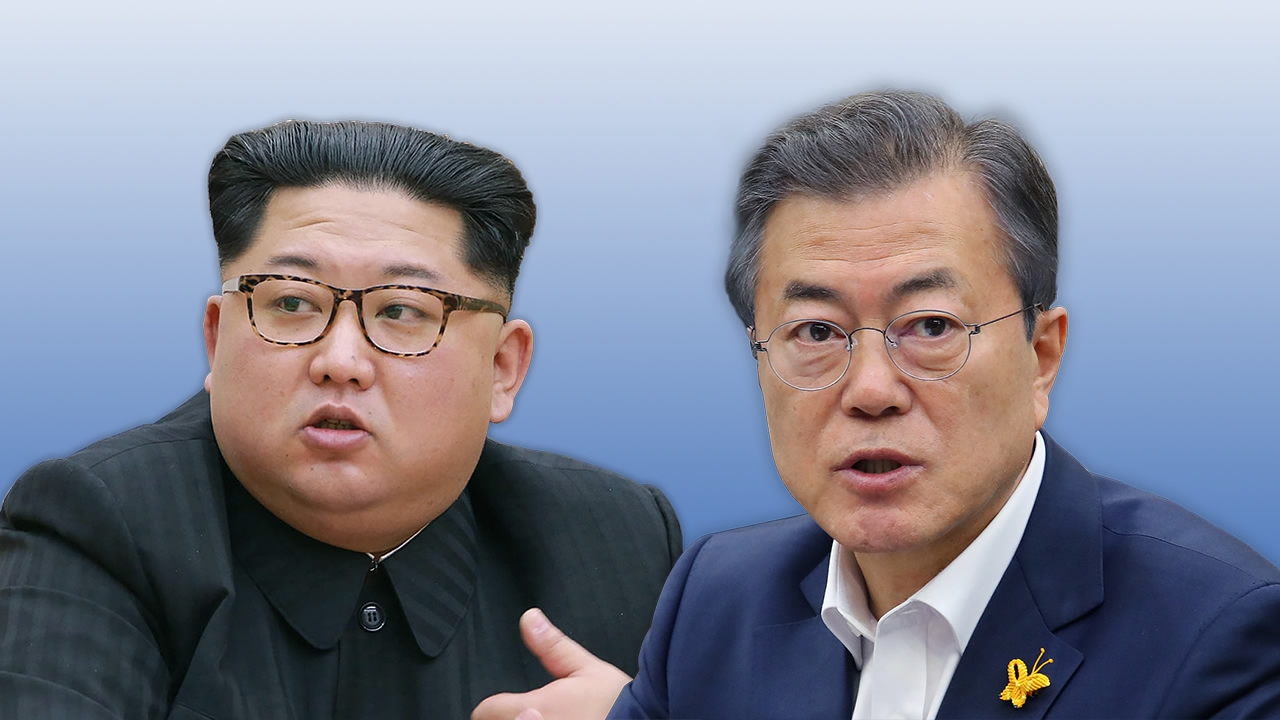
On Friday, all eyes will be on an uninhabited village along the demilitarized zone dividing the Democratic People's Republic of Korea (DPRK) and the Republic of Korea (ROK).
DPRK's top leader Kim Jong Un will walk cross the military demarcation line and shake hands with ROK President Moon Jae-in. The gesture symbolizes the thaw in tensions after years of escalation on the Korean Peninsula.
This will only be the third inter-Korean summit after the first historic meeting in 2000 and the second in 2007.
Who, when and where?
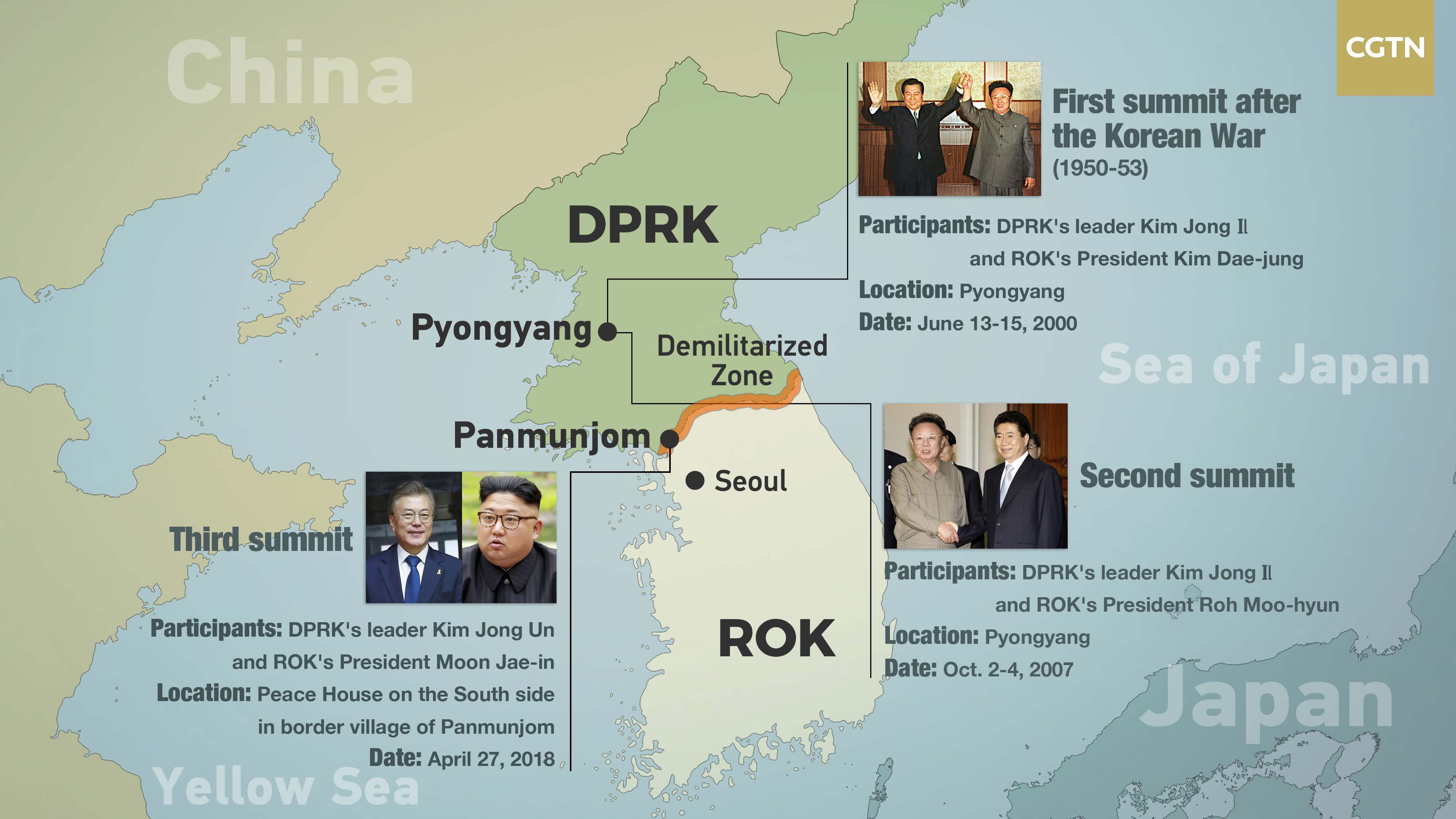
June 2000
The first inter-Korean summit pushed the ROK and DPRK away from Cold War confrontation and toward reconciliation and exchange.
On June 13, 2000, DPRK's late leader Kim Jong Il surprised the world by going to the airport to personally greet Seoul's then-president Kim Dae-jung, in emotional scenes broadcast live in the South.
"I am happy to see you, I have wanted to [see you] for a long time," Kim told his host.
"We are the same Chosun (Korean) people," said Kim Jong Il.
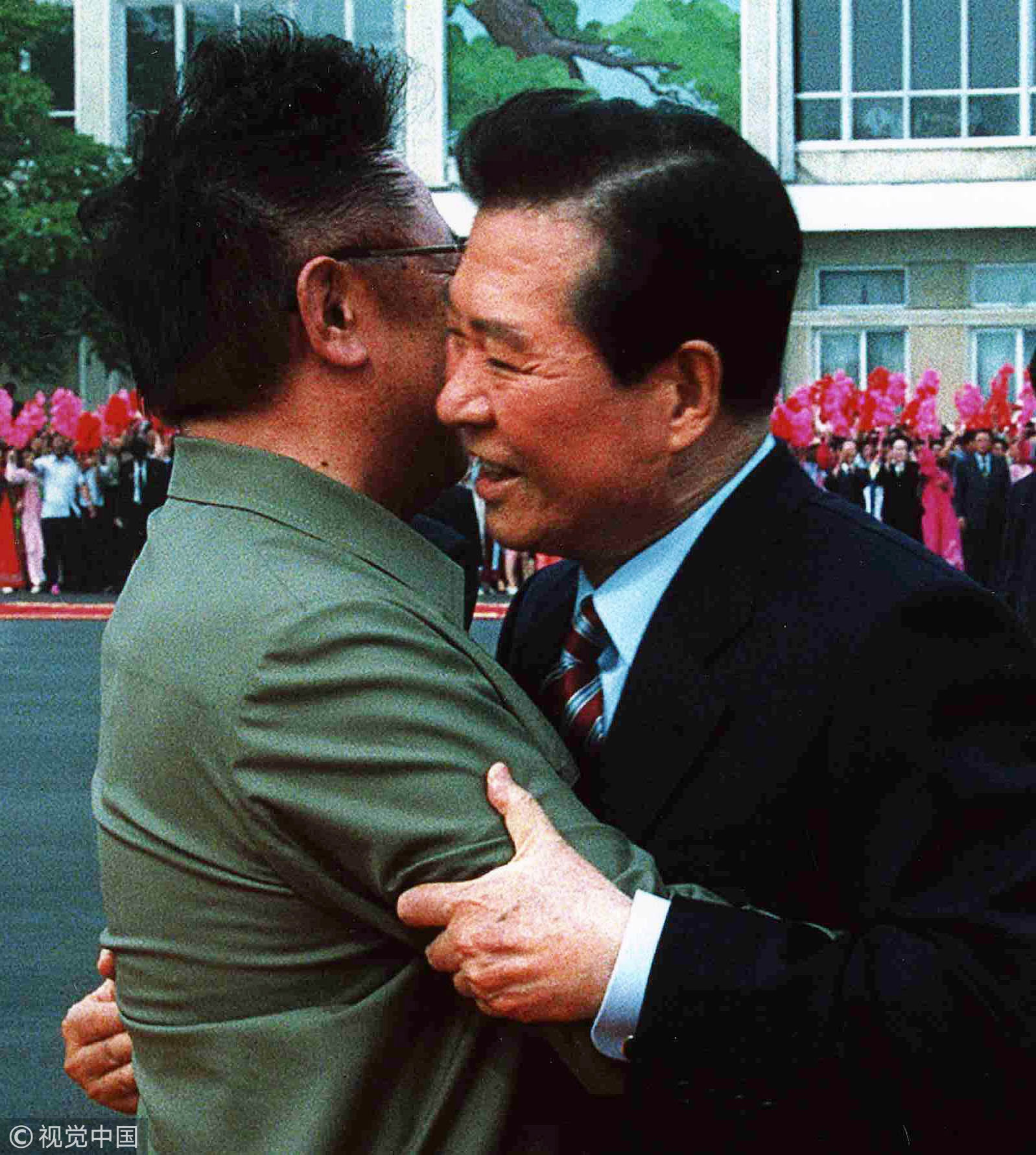
DPRK's leader Kim Jong Il greets ROK's President Kim Dae-jung at airport in Pyongyang, June 13, 2000. /VCG Photo
DPRK's leader Kim Jong Il greets ROK's President Kim Dae-jung at airport in Pyongyang, June 13, 2000. /VCG Photo
During the three-day visit, the two leaders adopted a joint peace accord to promote reunification, including moving towards permanent peace on the Korean Peninsula – which has remained technically at war since the 1953 ceasefire – and humanitarian and economic cooperation.
At a farewell lunch, the pair joined hands to sing "Our Wish Is Unification."
October 2007
The second summit took place as China, the US, Russia, Japan and the ROK struck a deal with the DPRK in the six-party talks to further ensure the DPRK gave up its nuclear programs.
A year earlier, on Oct. 9, 2006, Pyongyang said it conducted its first underground nuclear test at the Punggye-ri Test Site in the northeastern province of North Hamgyong. The US said the blast was estimated to have had an explosive force of less than one kiloton.
On Oct. 2, 2007, ROK's then-President Roh Moo-hyun made a symbolic gesture by walking some 30 meters across the demilitarization zone before returning to his vehicle to carry on to Pyongyang, where Roh met his host, Kim Jong Il.
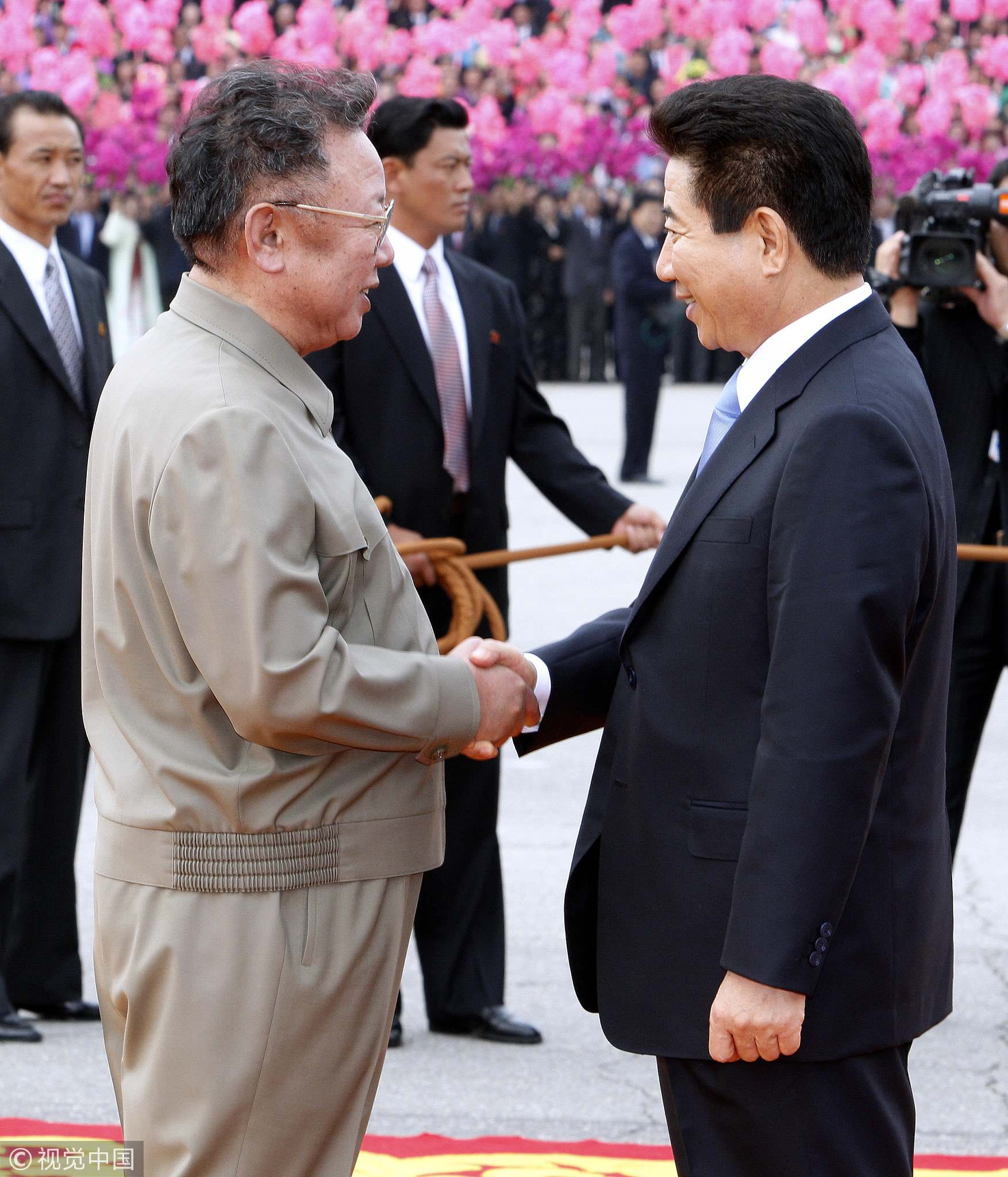
DPRK leader Kim Jong Il greets ROK President Roh Moo-hyun on Oct. 2, 2007 in Pyongyang. /VCG Photo
DPRK leader Kim Jong Il greets ROK President Roh Moo-hyun on Oct. 2, 2007 in Pyongyang. /VCG Photo
The two leaders signed a declaration calling for a nuclear-free peninsula and a permanent peace pact.
The declaration read: The two sides "will not take a hostile stance towards each other and will reduce military tension and resolve issues of conflict through dialogue and negotiation."
They agreed to step up trade, travel and political exchanges, and to hold summits frequently in the future.
At the end of the meeting, Kim shook hands and clinked champagne glasses with Roh, who also planted a tree before he left Pyongyang.
The positive outcomes
The two summits led to emotional reunions of families separated by the 1950-53 Korean War. There were 20 rounds of reunions from 2000 to 2015, but the practice has since been suspended. There are some 60,000 elderly people in South Korea still hoping to meet their relatives.
The ROK also started promoting the so-called "Sunshine Policy."
The policy says the ROK will actively seek cooperation from the DPRK without making any attempts to absorb the DPRK. However, no military provocations from the DPRK will be tolerated.
As a result, the Kaesong Industrial Complex (KIC), a special administrative industrial region in the DPRK, was built in 2004.
As of February 2016, a total of 124 companies operated in the KIC from industries including clothing and textiles, car parts and semiconductors. Some 53,000 workers from the DPRK and 280 workers from the ROK were employed there.
The DPRK gained about 100 million US dollars per year in wages from the ROK. And the industrial park contributed nearly 2 billion US dollars in trade for the DPRK.
Meanwhile, tour programs from the ROK to the DPRK were initiated. In 2005, the ROK's Hyundai Group struck a deal with the DPRK government to open up more tour sites after the success of the Mount Kumgang tourist region, including Baekdu Mountain and Kaesong.
Did Pyongyang keep its promise?
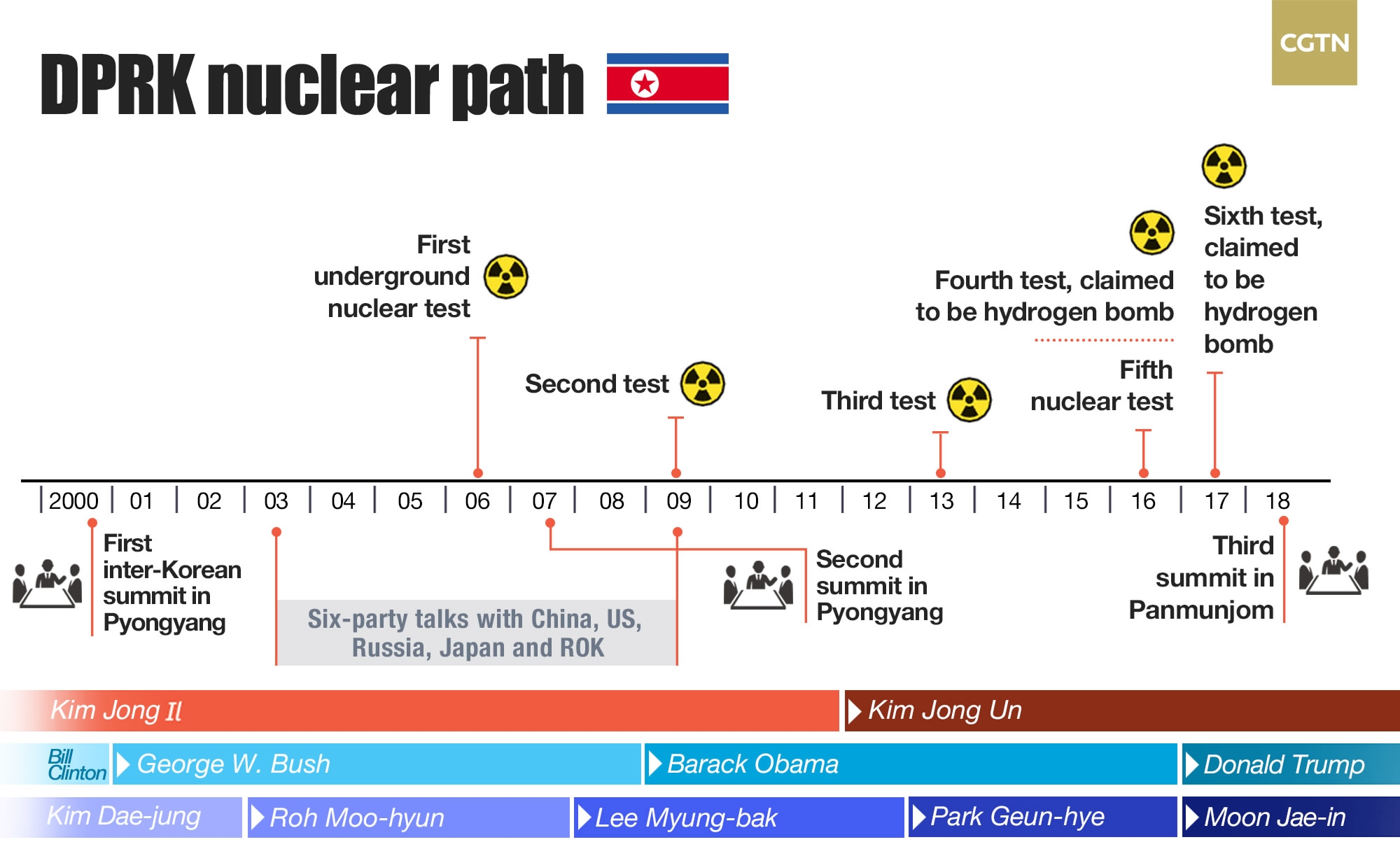
The sun began to dim as the DPRK stepped up its missile and nuclear tests. Pyongyang conducted its first nuclear explosion in 2006, and by 2017 it had completed six nuclear tests. It also stepped up its ballistic missile tests. Under Kim Jong Un, over 80 tests have taken place, compared with 16 under his father Kim Jong Il.
As a consequence, Seoul's President Lee Myung-bak suspended the Sunshine Policy when he came into power in 2008, and in the following year the North walked out of the six-party talks before carrying out its second nuclear test.
Is it time to abandon the nuclear path?
The world is positively awaiting the third inter-Korean summit as the DPRK's Kim made a nuclear U-turn on April 20 and announced the suspension of underground nuclear tests and test launches of intercontinental ballistic missiles.
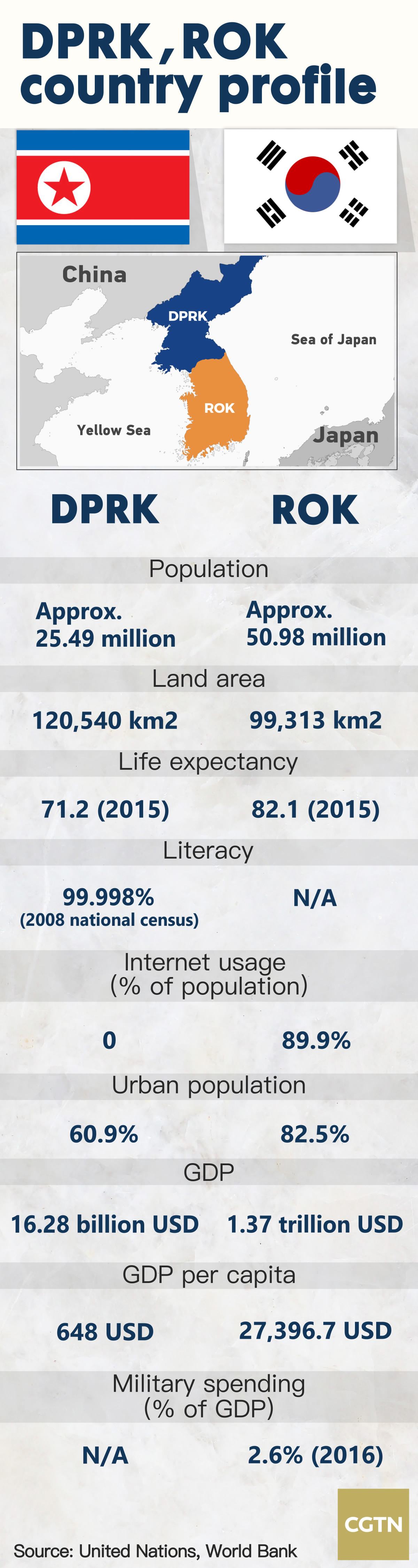
The DPRK has vowed to keep pursuing nuclear development unless the US guarantees its security and withdraws its troops - of which there are nearly 30,000 - from the ROK.
He also told his fellow party members that the country would turn its focus to "socialist economic construction."
Beijing and Seoul have welcomed the announcement and expressed optimism about the denuclearization of the Korean Peninsula. Trump immediately took to Twitter to praise the announcement, while the White House stresses the need for vigilance while monitoring for any concrete moves taken by Pyongyang.
Check this timeline from CGTN America that shows key events in the Korean Peninsula from Trump’s inauguration to now: https://america.cgtn.com/2018/04/26/timeline-of-developments-on-issues-impacting-the-korean-peninsulaa