
Business
14:29, 17-Jul-2018
China’s economy is expected to be stable in H2
Updated
13:37, 20-Jul-2018
 ["china"]
Share







Copied
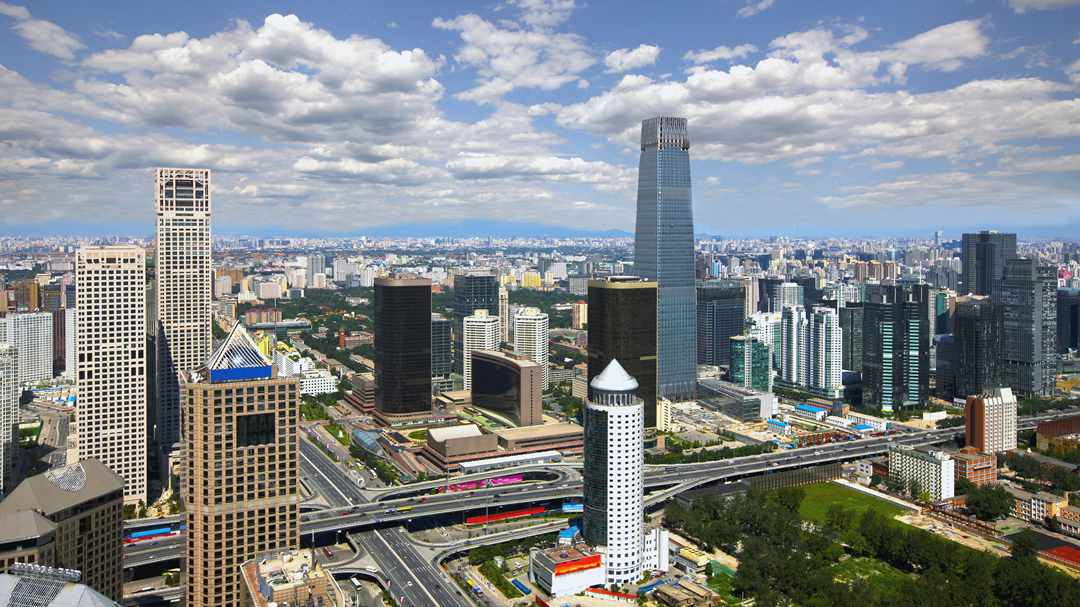
China’s economy is expected to be stable in the second half of this year (H2), and the country is confident of hitting this year’s growth target of around 6.5 percent, the country’s state planner said in a press conference on Tuesday.
"Overall, we have the confidence, conditions, and enough capability to effectively cope with the uncertainties in the world economy and make sure we accomplish the target we set at the beginning of the year," said Yan Pengcheng, spokesman for the National Development and Reform Commission (NDRC).
"China will improve the flexibility of macro-economic policy and ensure the macro-economic fundamentals remain stable," said Yan, adding that policymakers also will expand effective investment and look for ways to boost domestic demand.
The NDRC updated the country’s economic data in three new fields, following specific data on China’s economic performance in the first half of the year (H1) released by the National Bureau of Statistics.
The state planner has approved 102 fixed-asset investment projects in H1 in areas including high tech, social affairs, and agriculture, forestry and water conservancy, which worth a combined 260.3 trillion yuan (39 billion US dollars), according to Yan.
In a separate statement, the NDRC also said it approved a high-speed railway project in the north-central Ningxia region worth 12.87 billion yuan (1.93 billion US dollars).
The country’s CPI went up two percent year-on-year in H1 on average, meeting the expected goal set at the beginning of the year. In the breakdown, CPI in food and industrial consuming goods rose 1.2 percent and 1.6 percent respectively.
China’s PPI grew 3.9 percent year-on-year, with the price increase mainly in industries like oil, coal, and metal. Compared to the beginning of the year, the prices of most industrial commodities declined.
The country will also provide "targeted" help for firms impacted by China-US trade frictions after assessment of the impact, Yan said, without giving details.
"If the trade war does hit the economy hard, then the government will substantially increase investment, especially in high-tech sectors. This will help stabilise economic growth and job security to stave off social unrest," economists at ING said in a note on Monday.
(With inputs from Xinhua and Reuters)