
13:11, 17-Aug-2017
China's Sharing Economy: Plans to expand umbrella sharing service in Shanghai
 []
[]
Share







Copied
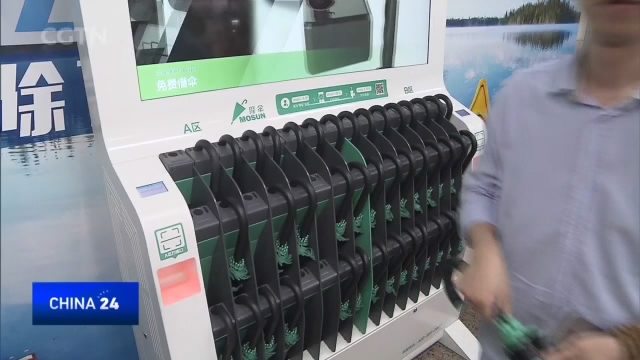
In the eastern Chinese city of Shanghai, an umbrella sharing service has been seen at many metro stations along Line 2. And it's expected to expand across the network within the next three months. Sun Caiqin takes a look.
It rains an average of 120 days per year in Shanghai. People who forget their umbrella can sometimes emerge from a metro station to find it raining. That's why Liang Rui and his co-workers started the umbrella sharing service. About 22 machines with 48 umbrellas each have been installed along Line 2. After users download the umbrella app and pay a 39 yuan as deposit they can unlock an umbrella.
LIANG RUI DIRECTOR OF OPERATIONS, MOSUN The first 24 hours is free, but if you don't return it within 24 hours, the app will charge you 2 yuan each day. If you don't return it over 7 days, you will be charged 39 yuan to replace the umbrella, plus an overdue fee.
KINGSLEY ROSS I think it's a good idea especially in Shanghai. You never know when it could rain. The weather is unpredictable.
XIA XIA I forget to bring an umbrella very often. Sometimes I just buy the cheap and poor quality ones in metro stations, but I usually lose them soon afterward.
However, some question whether the company is just using the service to sell umbrellas. "The person who came up with this idea is very smart. It's kind of mean selling out the umbrella to me. " The umbrella sharing company responded that the cost of making one umbrella is higher than people think. The design, materials and chips inside the umbrella cost a little bit more than the deposit.
LIANG RUI DIRECTOR OF OPERATIONS, MOSUN It costs 41 yuan to make each umbrella and the same quality umbrella normally sells for 70 yuan to 80 yuan in stores. We really don't want users to purchase the umbrellas as we will lose money from it.
Liang said the company plans to have 50,000 umbrellas spread out among the city's metro stations within three months. Machines will also be installed in office buildings. Liang added the plan is to earn money from advertising. Umbrella sharing first emerged in Shanghai in May, but the service disappeared quickly because the company running it didn't have a license. Sun Caiqin, ICS for CGTN, Shanghai.