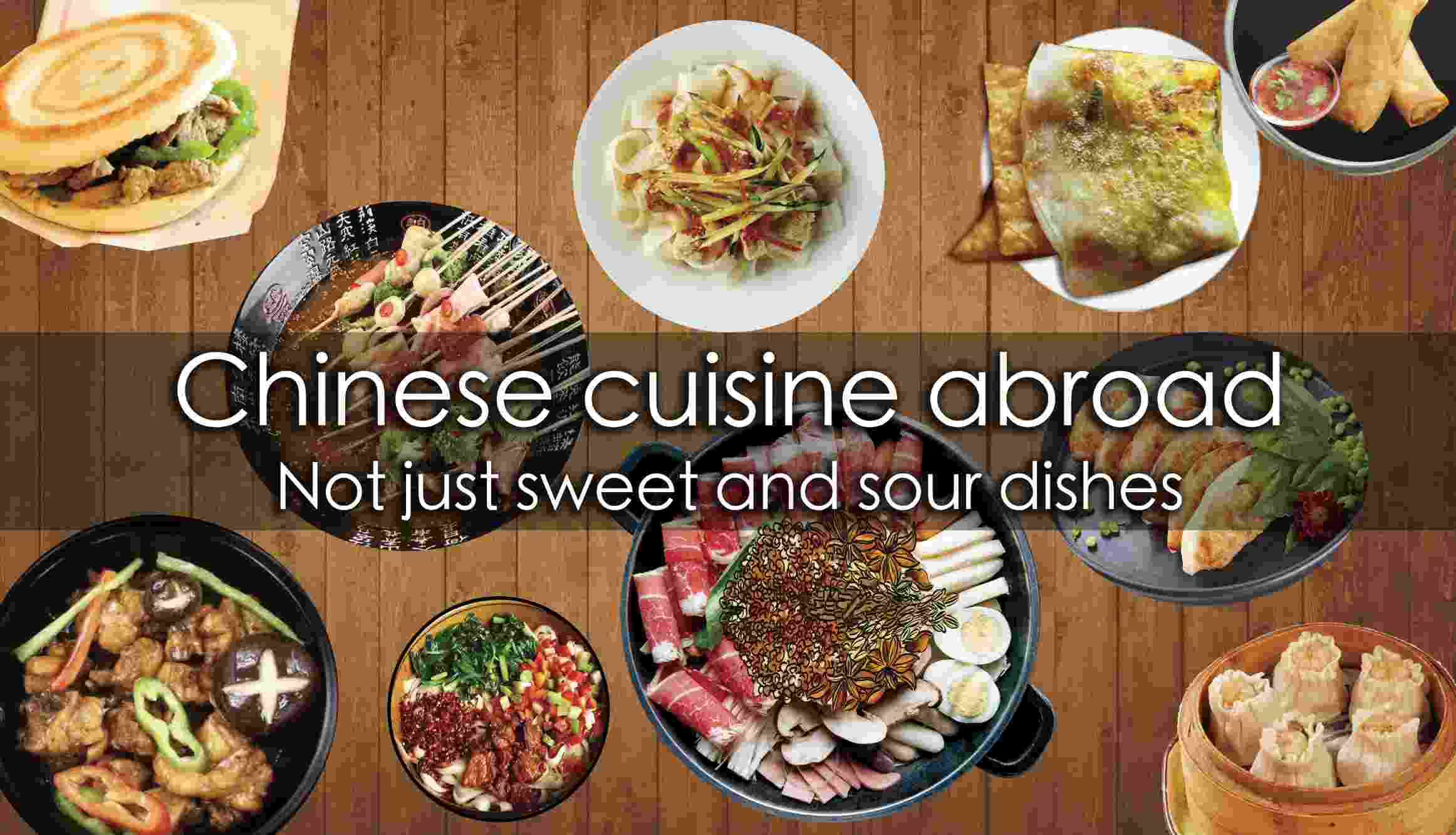
With a rich history dating back about 3,000 years, Chinese cuisine involves various cooking styles, techniques and ingredients that have evolved over time. The development of Chinese food abroad, which has a much shorter history, is a fight to preserve its original taste and flavor, and some argue – its soul.
Regional subtleties and nuances missed
For a long time, people from Western countries preferred simple Chinese food such as chow mein (stir-fried noodles), fried rice and General Tso’s chicken.
According to 2015 data by GrubHub, a Chicago-based online and mobile food ordering service, General Tso’s Chicken dominated the Top 10 list of Chinese food, making it the most popular Chinese dish in the US.
“This dish has transcended ethnic food categories to become a staple of the American diet,” said Allie Mack, the spokesperson for GrubHub.

The screenshot of GrubHub.com
The screenshot of GrubHub.com
Despite Americans’ growing appetite for the dish, it’s not exactly an authentic Chinese concoction. In fact, a chock-full of “Chinese” dishes like General Tso's Chicken, crab rangoon, and sesame chicken in the list, are rarely seen on restaurant menus in China.
These dishes might have roots in Chinese cuisine, but they evolved to become a cuisine of their own, influenced by the flairs and tastes of their host countries. The US, for example, is often referred to as a melting-pot of many cultures, which have seasoned Chinese cuisine in the New World.
However, the diversity and richness of the Chinese cuisine were somewhat lost as early Cantonese and Hokkien immigrants from south China attempted to find a recipe for success by catering their business to American tastes, only to fall into the trap of uniformity.

File: People take part in the Chinese Lunar New Year parade in Chinatown on February 25, 2018 in New York City. /VCG Photo
File: People take part in the Chinese Lunar New Year parade in Chinatown on February 25, 2018 in New York City. /VCG Photo
With illustrations of dragons, red lanterns, and fortune cookies – Chinese restaurants slowly started to resemble each other. The stereotyped menus and decor made some of its customers yawn and feel puzzled.
But the dominance of all-time favorites might be soon over, as millennials are coming up with new ideas and bold moves to the Chinese food industry there.
Regional subtleties and nuances are now celebrated in restaurants as diverse as the spices used in Chinese cuisine.
Hit food in China migrates to the US
Jianbing, a Chinese version of the French crepe and the go-to choice for a breakfast on the go, had a small following in Western countries until it rose to culinary fame.
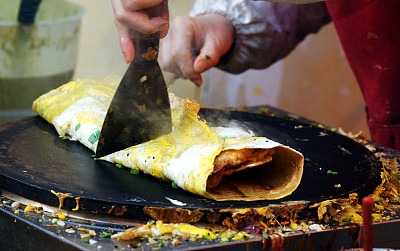
Jianbing, a traditional Chinese street food originating in Shandong Province and flourished in Tianjin City /VCG Photo
Jianbing, a traditional Chinese street food originating in Shandong Province and flourished in Tianjin City /VCG Photo
Two Chinese students introduced the pancake to Americans two years ago, and the dish that originating in Shandong Province and flourished in Tianjin took Manhattan by storm.
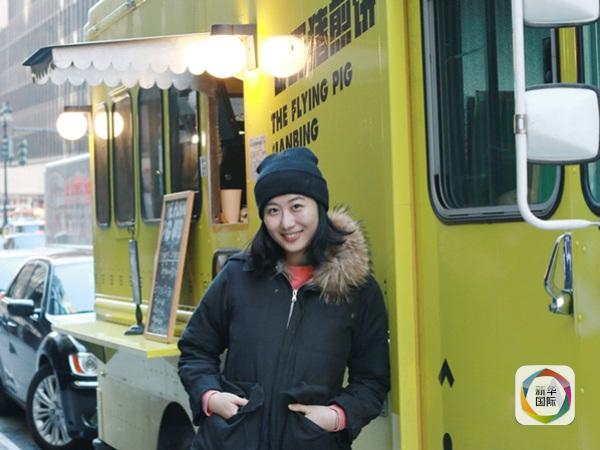
Li You, founder of “Flying Pig Jianbing” and her bright-yellow food truck in the street of NYC, the US /Xinhua
Li You, founder of “Flying Pig Jianbing” and her bright-yellow food truck in the street of NYC, the US /Xinhua
With their bright-yellow food truck, Li You, a Beijing native, and Dolkar Tsering, an ethnic Tibetan from southwest China’s Sichuan Province, brought their brand “Flying Pig Jianbing” to the streets and made it one of the most popular Chinese foods in NYC.
Since its debut in the US, Jianbing enjoyed growing popularity, with more initiatives such as Jianbing Company popping up. People have taken to social media to rave about the Jianbing.
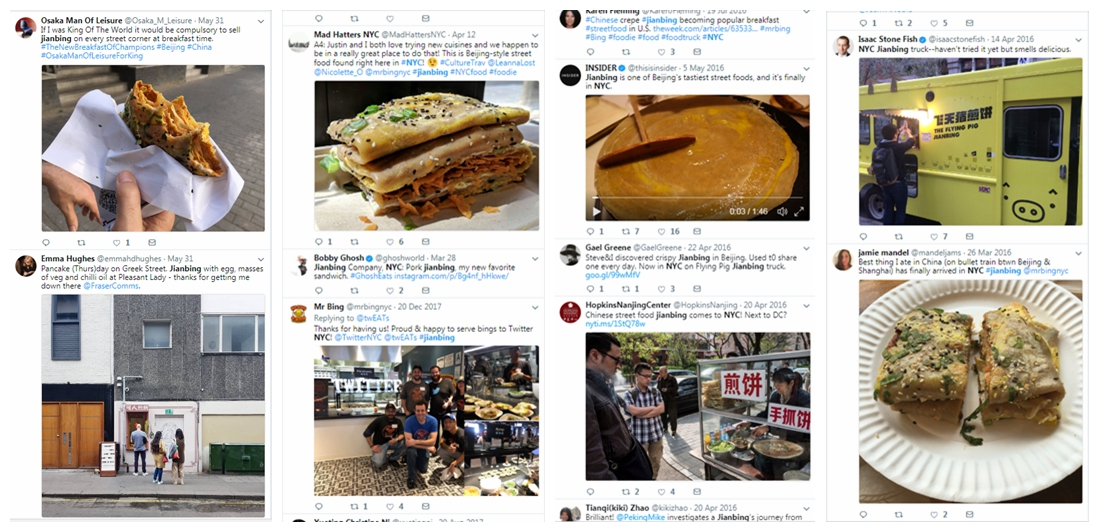
Screenshots of some of posts about Jianbing on Twitter
Screenshots of some of posts about Jianbing on Twitter
Another new star that has swept across China and is now taking over the world is Yang’s Braised Chicken and Rice.
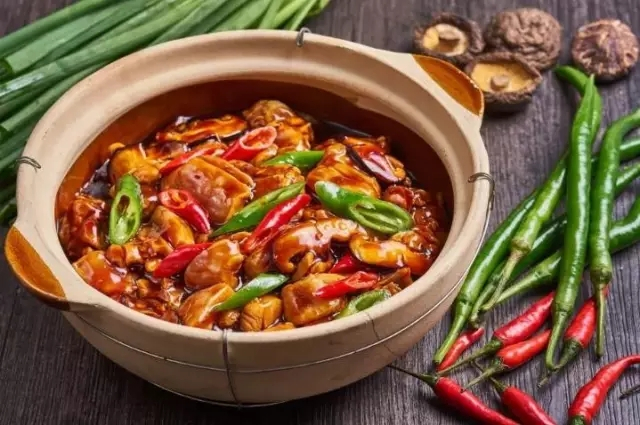
Yang’s Braised Chicken and Rice has swept across China and is now taking over the world. /Photo via Chinadaily.com
Yang’s Braised Chicken and Rice has swept across China and is now taking over the world. /Photo via Chinadaily.com
In September 2017, the popular Chinese restaurant chain went into business in the US, choosing Tustin, California, to open its store.
Unlike the good old Chinese restaurant, Yang’s Braised Chicken and Rice is not what many would expect.
At Yang’s, there’s only one item on the menu: Braised chicken thighs with ginger, mushrooms and chilies, served in a clay pot with rice. Customers can choose from three levels of spiciness depending on their palate.
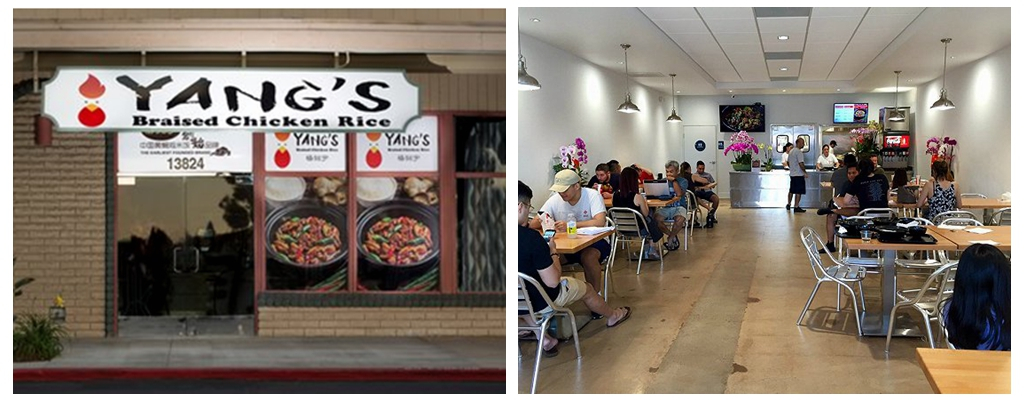
Yang’s Braised Chicken and Rice opened its first restaurant in Tustin, California, US, Sep. 10, 2017. /Photo via Yicai.com and Jiemian.com
Yang’s Braised Chicken and Rice opened its first restaurant in Tustin, California, US, Sep. 10, 2017. /Photo via Yicai.com and Jiemian.com
To get the best taste, customers are advised to put the rice served on the side straight into the pot and mix it with the intense broth.
Since its first restaurant opened in Jinan, Shandong Province in 2011, the restaurant has opened more than 6,000 stores in China, Australia, Japan, Singapore, and the US.
Authentic flavors widely welcomed
Aside from the brave and creative experimenters, big brands in China’s food industry are continuing to export its culinary experiences, bringing new flavors to Western palates.
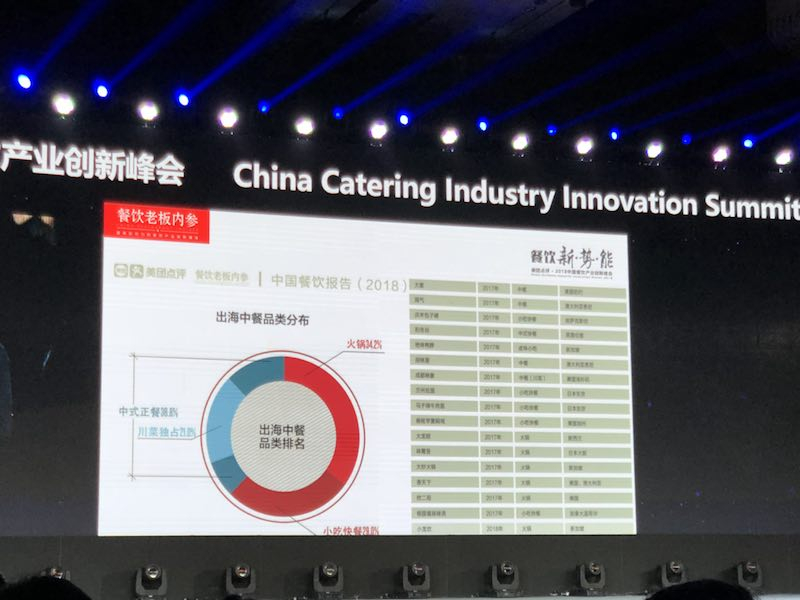
A recent industry report by Meituan-Dianping, China’s largest on-demand service platform, shows that Chinese restaurants are gaining increasing popularity overseas. /Photo via Chinadaily.com.cn
A recent industry report by Meituan-Dianping, China’s largest on-demand service platform, shows that Chinese restaurants are gaining increasing popularity overseas. /Photo via Chinadaily.com.cn
At least 16 Chinese brands, including Peking Duck brand DaDong and Qing Feng Steamed Dumpling Shop, tapped into the foreign market in 2017, according to an industry report by Meituan-Dianping, China’s largest on-demand service platform.
When DaDong opened its first branch in NYC, 2,500 reservations were reportedly made within the first two hours.
The report said that a third of Americans visit a Chinese restaurant at least once a month. It reflected the increasing popularity of Chinese food overseas, especially traditional dishes and regional snacks.
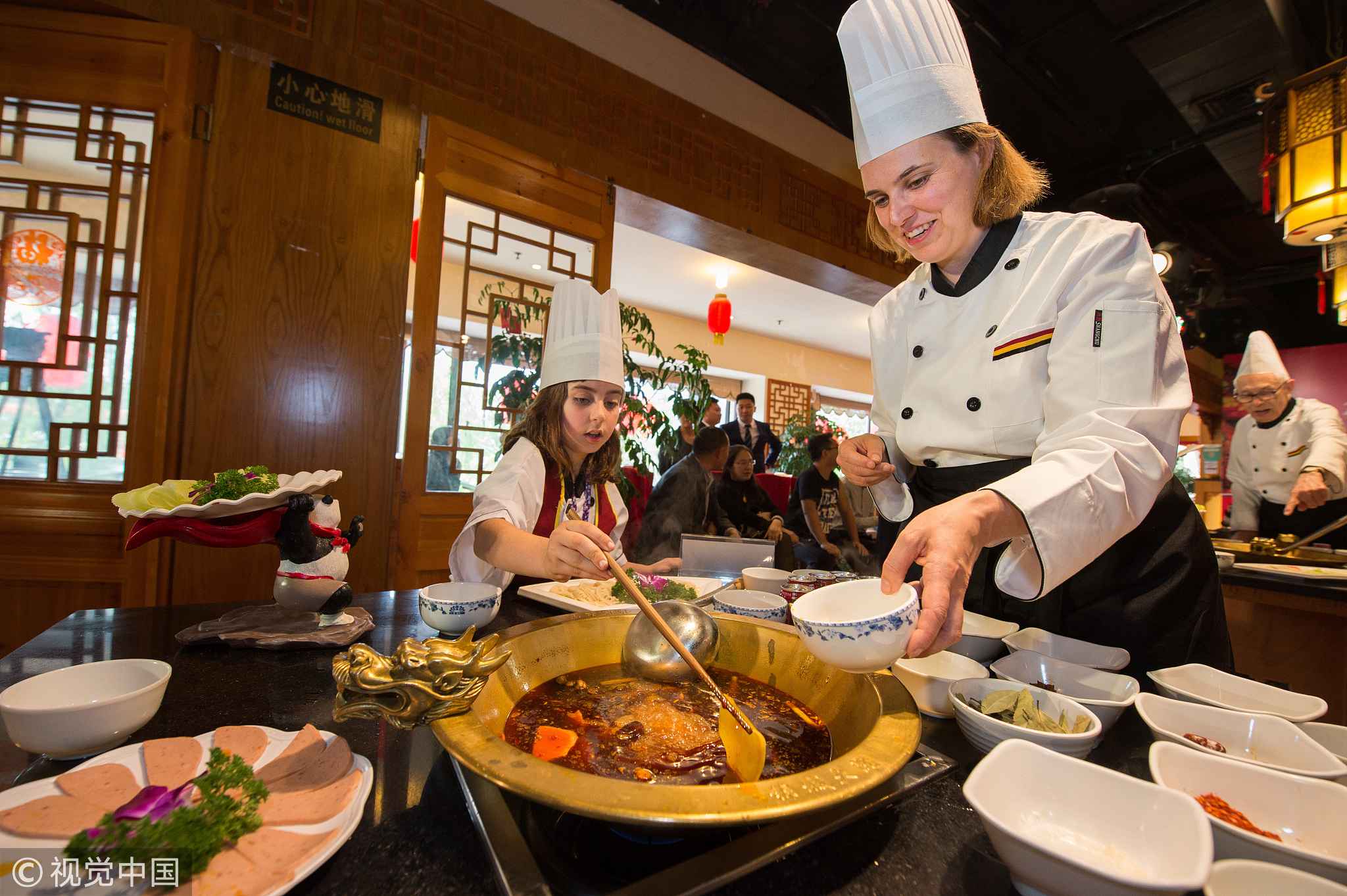
Foreigners add dishes into the hotpot made by themselves during the competition of hotpot in Chengdu City, Sichuan Province, China, April 25, 2018. /VCG Photo
Foreigners add dishes into the hotpot made by themselves during the competition of hotpot in Chengdu City, Sichuan Province, China, April 25, 2018. /VCG Photo
Hotpot is now one of the most popular foods in the foreign market and makes up 34.2 percent of the total, followed by Sichuan cuisine as well as Chinese traditional snacks and fast food as the second and the third, respectively.
There’s more to Chinese cuisine than mouth-watering, lip-smacking, finger-licking dishes. It’s an ambassador of the Chinese culture and a representation of the authentic flavor of the Middle Kingdom.
(Nadim Diab and Henry Zheng also contributed to the report.)
(Cover image credit: Yu Peng)

 ["china"]