
Culture
15:44, 29-Jun-2018
Shanghai coffee shop creates a social experience for autistic baristas
Updated
15:10, 02-Jul-2018
 ["china"]
Share







Copied
02:42
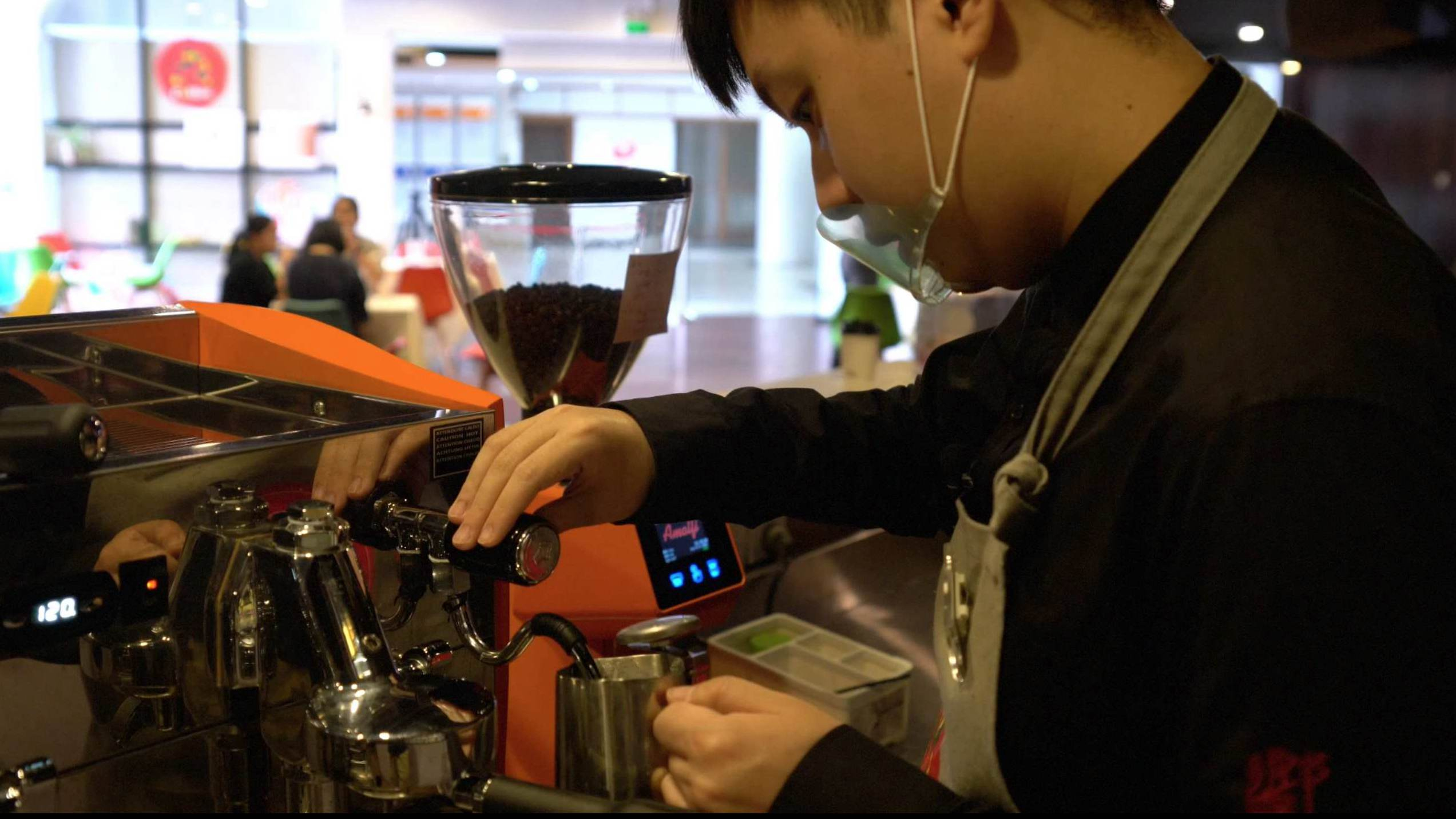
An estimated 14 million people in China have autism. Helping them become contributing members of society has long been a challenge for both the government and social groups. But one coffee shop in Shanghai may hold the secret recipe.
Love Coffee in Shanghai looks like the run-of-the-mill café, which has a cozy environment, the usual assortment of coffee styles. But there’s a neat catch - the drinks are free of charge. All customers need to do is to chat with the baristas and service people. They live with autism.
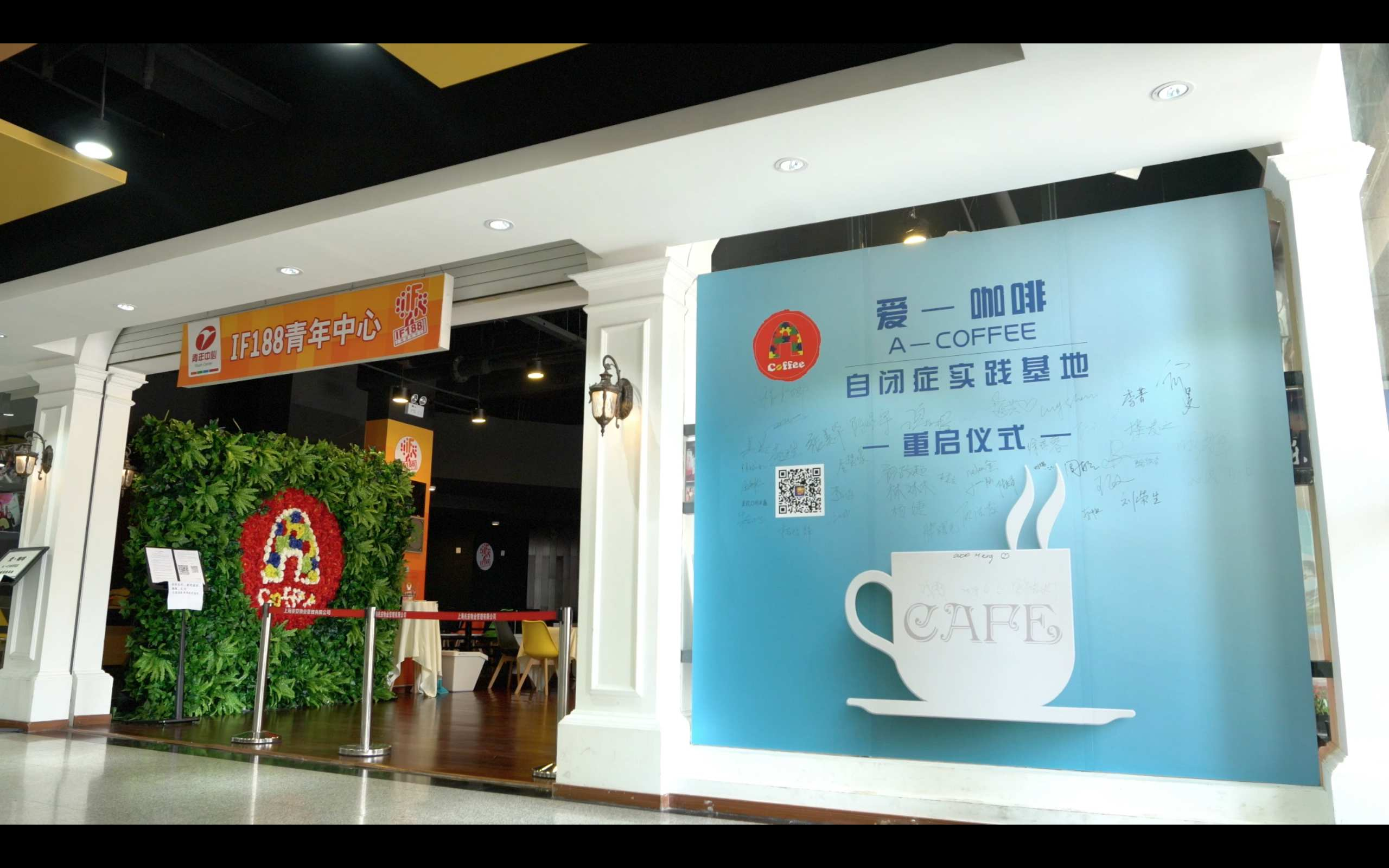
Love Coffee is open from 11 am to 3 pm every weekday at the Shanghai Youth Activity Center. /CGTN Photo
Love Coffee is open from 11 am to 3 pm every weekday at the Shanghai Youth Activity Center. /CGTN Photo
"These kids learn how to make coffee very quickly and can be very meticulous. What they struggle with is communicating with people around them,” said Cao Xiaoxia, the founder of Love Coffee.
The store struggles to stay afloat in the expensive and ritzy downtown of Shanghai. Love Coffee was forced to shut down due to lack of funding temporarily in May.
"The kids were very upset about it. But I think it was a blessing in disguise. They have experienced harder obstacles in life than most of us,” said Cao.
With a fresh new round of donations, the shop was opened again at Shanghai's Youth Activity Center. The founder Cao Xiaoxia aims for something more this time.
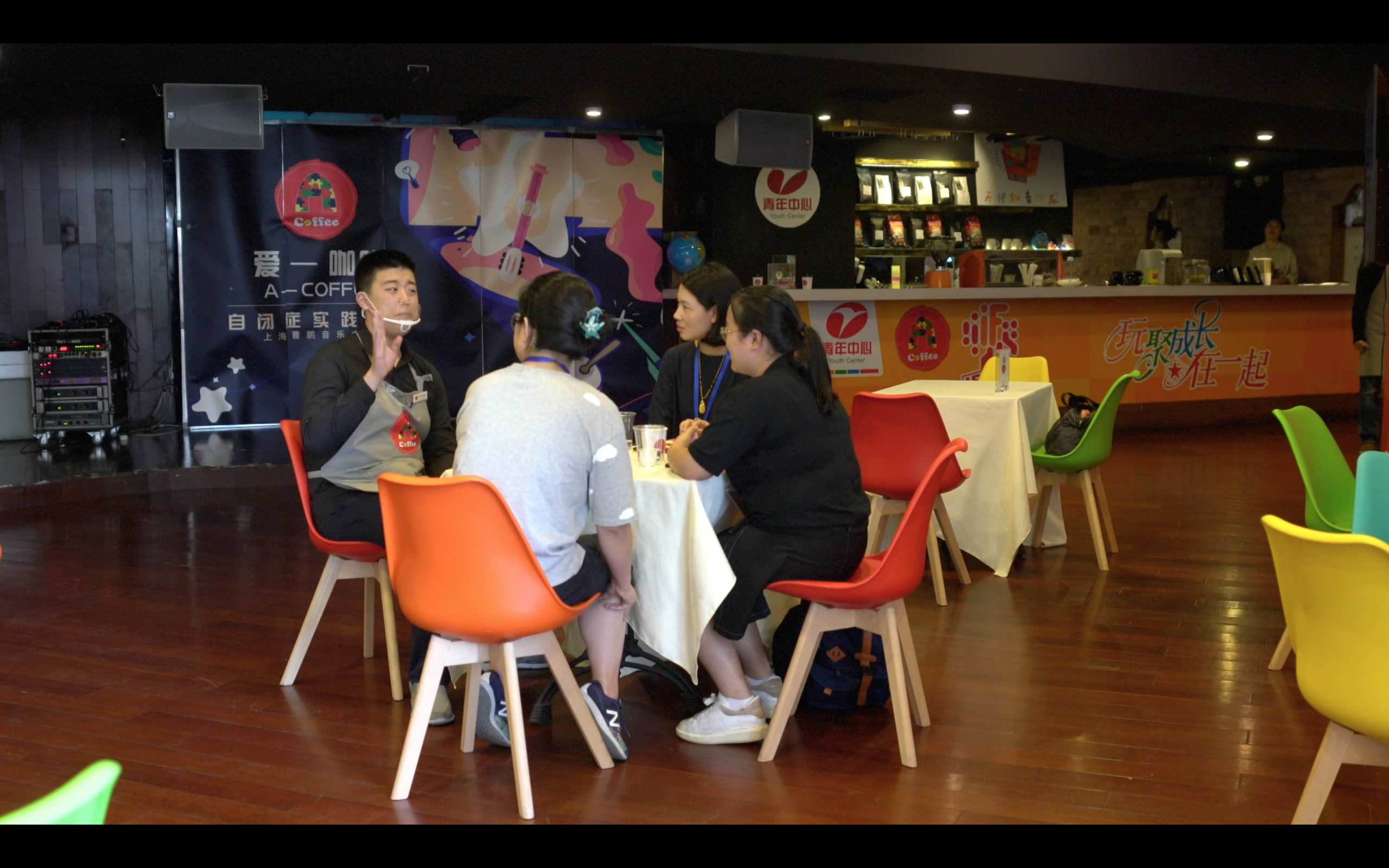
Volunteers chatting with an autistic barista. /CGTN Photo
Volunteers chatting with an autistic barista. /CGTN Photo
"I think they should be educated. We have launched a summer class upstairs where they can learn all kinds of school subjects,” Cao added.
This goal is to broaden kids' horizons with knowledge and social skills that will hopefully make them qualified employees. There are roughly eight million autistic people over the age of 14 in China. Many more are unregistered. Helping them to become contributors to society has been a daunting challenge.
"If we give them the right education when they are young, many of them can grow to be just like other kids by middle school. If we want to make them employable, we should start early,” Cao indicated.
Cao admits that this approach might not fit all autistic kids. But she said it's a start, helping these people one step at a time. At the end of the day, like the name of the place, it's all about love.