
Business
10:03, 13-Jul-2018
German business expects escalation of trade war by Trump
Updated
09:32, 16-Jul-2018
 ["europe"]
Share







Copied
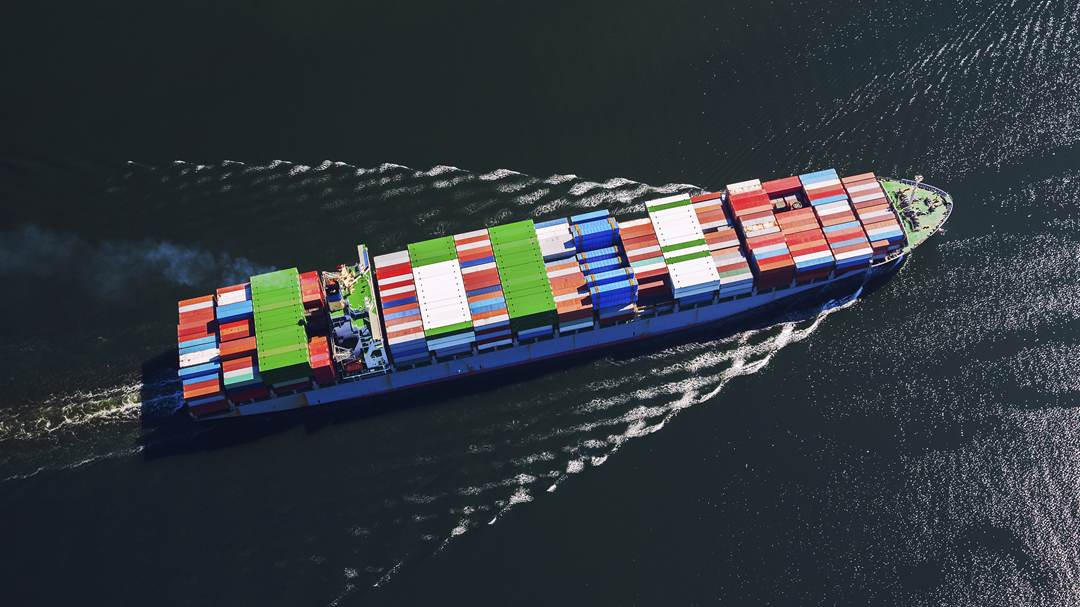
German companies should gear up for a further escalation of a swelling global trade conflict by US President Donald Trump, the country's Federal Association of Wholesale and Foreign Trade (BGA) warned on Thursday.
Speaking to the newspaper "Rheinische Post", BGA president Holger Bingmann expressed concern that threats made by Trump to impose new tariffs on US imports from the European Union (EU) during a NATO summit could soon become a reality.
"The measures of the US government taken recently against China are a bad omen for the EU as they demonstrate Trump's willingness to escalate (the conflict)," Bingmann said.
He added that "additional tariffs on cars and car parts" from the EU could be unveiled by Washington "in the near future."
Nevertheless, the BGA president urged the German government and the European Commission to exercise restraint in response to Trump's heated rhetoric.
Instead, Bingmann argued that a de-escalation and continuation of talks over mutual tariff reduction between the EU and US would be a "better solution."
Richard Grenell, the US ambassador to Germany, recently informed carmakers Volkswagen, Daimler and BMW during a secret meeting in Berlin that he had been tasked by Trump with finding a solution to the swelling trade conflict between the US and EU.
Towards this end, Washington was willing to consider a "zero option" of mutual tariff elimination in automotive trade and reductions of non-tariff barriers in the industry.
German Chancellor Angela Merkel and German business associations have repeatedly called for mutual tariff reductions as a means to repair strained transatlantic ties and help improve the export competitiveness of the US economy.
The EU has so far reacted to US imposition of punitive tariffs on imports of steel and aluminum from the bloc by filing a lawsuit at the World Trade Organization (WTO) against Washington.
It had also unveiled retaliatory measures targeted at specific US exports such as Bourbon whiskey and motorcycles by Harley Davidson, which subsequently announced that it would shift parts of its US production abroad to evade resulting new duties in a significant blow to Trump's "America First" doctrine.
It remains unclear how German policymakers would react to an attempt by Trump to hit its vital national automotive industry with tariffs as well.
German minister for the economy Peter Altmaier has said that Berlin plans to wait until after a closely-watched meeting between European Commission President Jean-Claude Juncker and Trump in Washington in late July before deciding on how to further proceed in the trade conflict.
Source(s): Xinhua News Agency