
Tech & Sci
16:17, 14-Aug-2018
Singaporean entrepreneur urges government to do more in fighting plastic waste
Updated
15:29, 17-Aug-2018
 ["china"]
Share







Copied
03:32
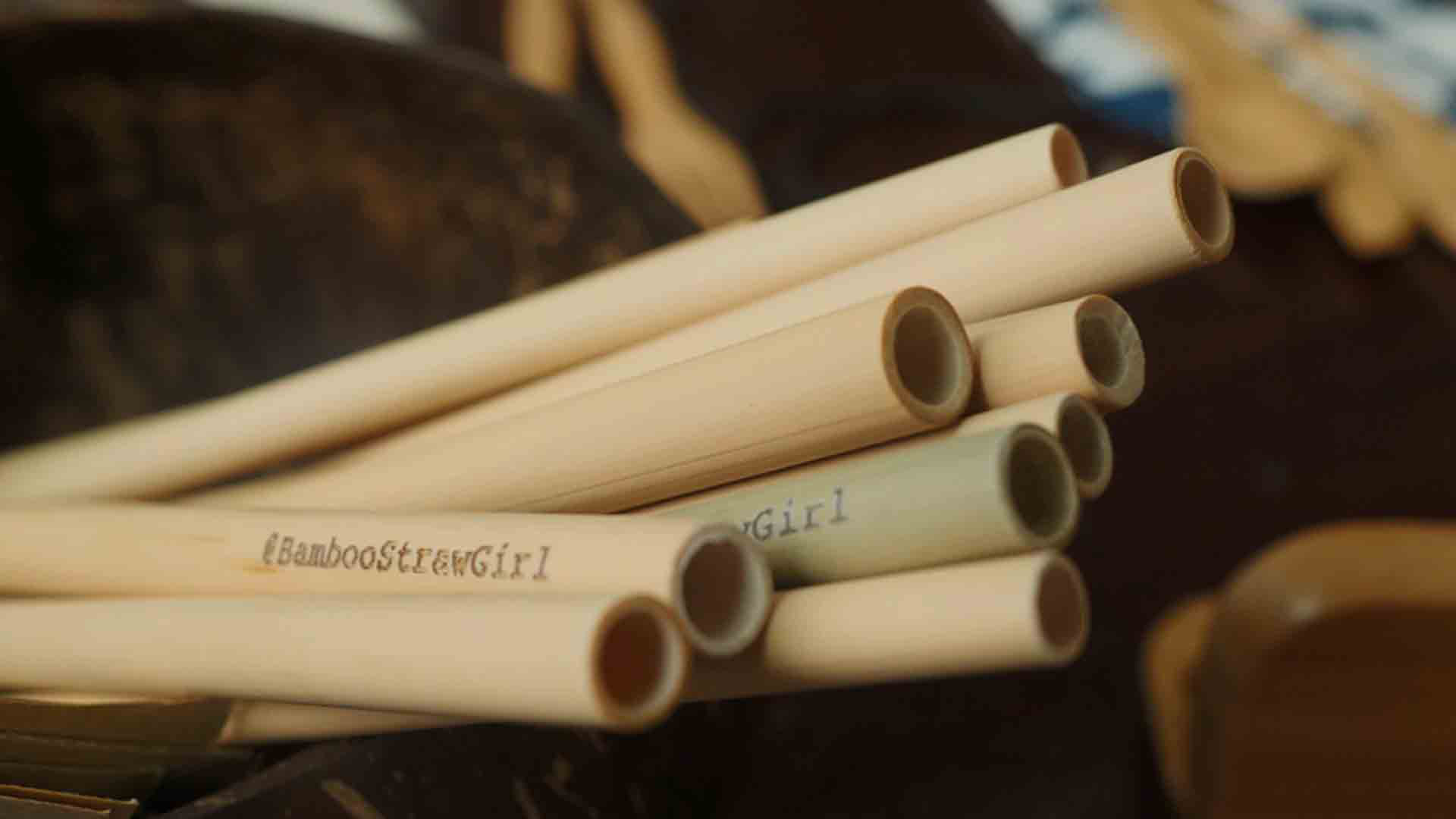
Around five years ago, Melissa Lam met a bamboo collector, and thought it would be funny if she could turn them all into straws. It was also around that time when she decided to live more sustainably.
Today, the 26-year-old entrepreneur owns a growing online business that sells a bunch of bamboo items ranging from straws to cutlery. Her products have earned her the nickname, "Bamboo Straw Girl." What began as a joke eventually turned a profit, but her ideals are much loftier.
"I started to make bamboo straws to sell them or give them away to my friends. I have always thought it was a good trigger for conversation,” said Lam.
“If I were to go to a shop and put a bamboo straw in my drink, then my friend or whoever is with me at that point would say, "Why are you using this?" or "What is it? Why bamboo?" And we can talk about so much more than just straws,” she added, referring to disposables like plastic bags or containers.
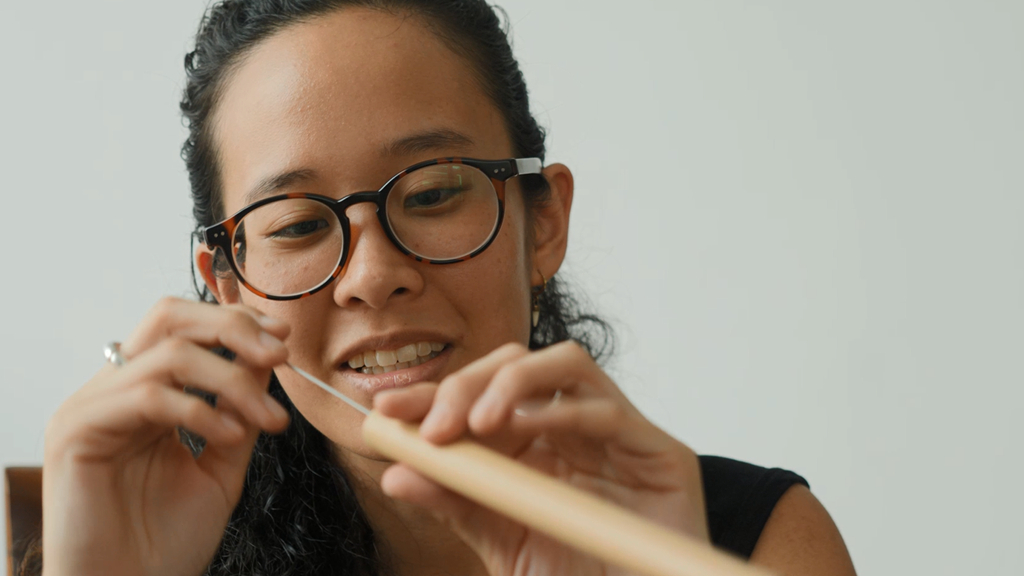
Melissa Lam, founder of Bamboo Straws Worldwide, demonstrates how to clean the bamboo straw. /CGTN Photo
Melissa Lam, founder of Bamboo Straws Worldwide, demonstrates how to clean the bamboo straw. /CGTN Photo
Singaporeans cycle through 1.76 billion plastic items every year. Less than a fifth of that is recycled, according to a study by the Singapore Environment Council. The government has signaled it will take a tougher stance on the environment and declared 2018 as the year of climate action.
Globally, one plastic bag is discarded every 12 minutes. Most of them end up polluting the ocean. Studies have concluded that if humans keep this up, the ocean will contain more plastic than fish by 2050. The UK, the US, China, and some cities in India, have banned or imposed taxes on single-use plastic products. Because Singapore incinerates its waste – including plastic – before dumping it, the country believes taxing or banning is unlikely to benefit the environment.
“In Singapore, a more sustainable approach is to tackle the excessive consumption of all types of disposables,” the republic’s senior minister of state for environment and water resources Dr. Amy Khor said in March.
As it is, Singaporeans are starting to become more environmentally conscious. In the past six months, a groundswell of interest in eco-friendly products has developed in Singapore, according to Lam. 80 percent of her business is now local, a huge departure from before when the bulk of her orders came from overseas.
Her customers include environmentally-conscious individuals and businesses who want to reduce their plastic footprint. However, some companies are still hesitant to make the switch due to concerns about hygiene and cost.
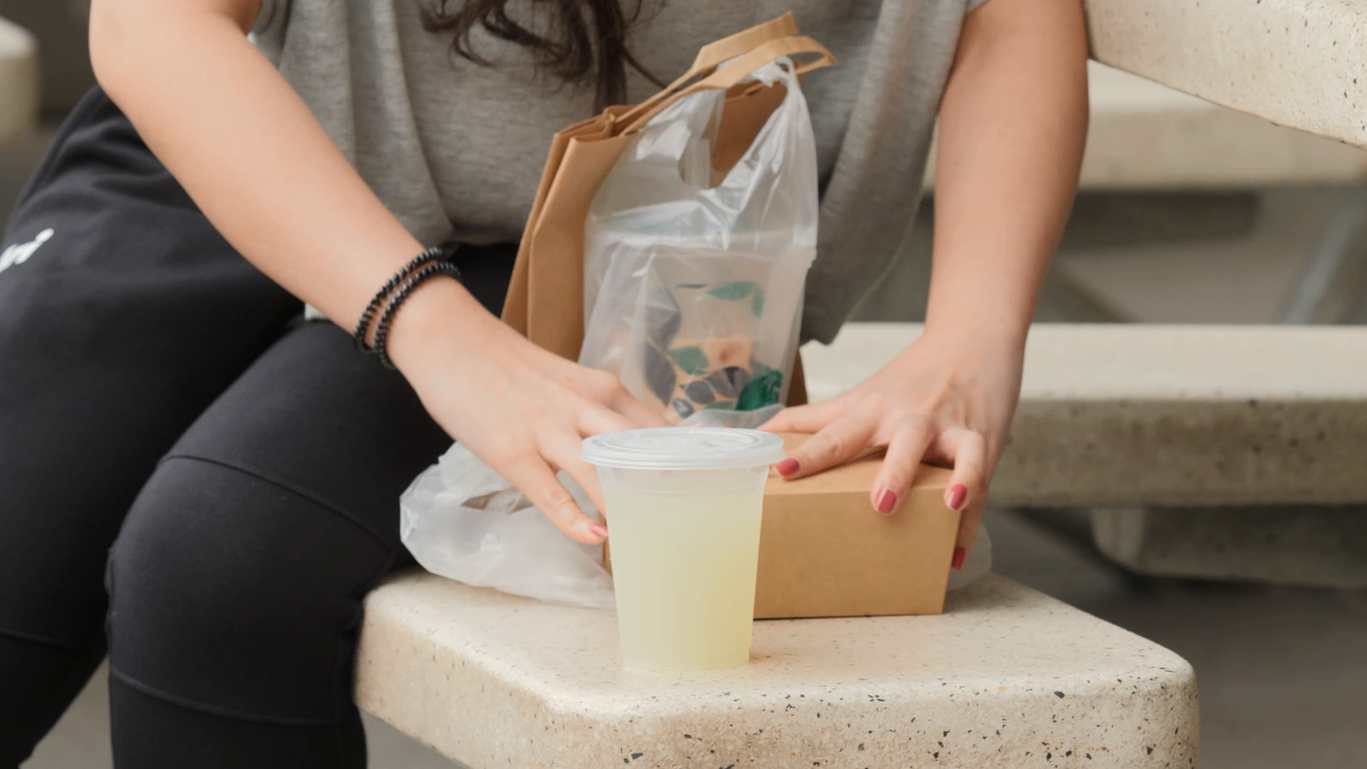
Globally, about one plastic bag is discarded every 12 minutes. /CGTN Photo
Globally, about one plastic bag is discarded every 12 minutes. /CGTN Photo
"My solution to them is, why not just don't offer any straws, and if somebody asks for a straw, you can offer them that reusable alternative. The aim is to just always not use the plastic straws because they are disposable,” said Lam.
Bigger corporations have also joined the fight. Fast-food chain KFC said in June that it will stop providing plastic caps and straws at all 84 outlets in Singapore. It’s the latest in the city to join a bevy of other businesses – like Deliveroo and IKEA – in going green.
“Businesses always look towards the government for initiatives. When we compare with other countries jumping on board this cause, it’s almost like saying Singapore doesn’t really care about the environment,” said Syafiqah Omar, founder of Sonder Social, a budding startup that aims to ease people into a sustainable lifestyle.
The 26-year-old founder believes the government needs to do more for the country to get more serious about tackling environmental issues, an opinion echoed by Lam as well.
“When you think about recycling, people would just toss whatever they want to recycle into the bin without rinsing it. Then you contaminate everything,” said Lam.
“We need more education not only in the school, but also in the community."
4482km