
World
14:20, 26-Jun-2018
Aid agencies warn waterborne diseases to spread in Rohingya refugee camps
 ["china"]
Share







Copied
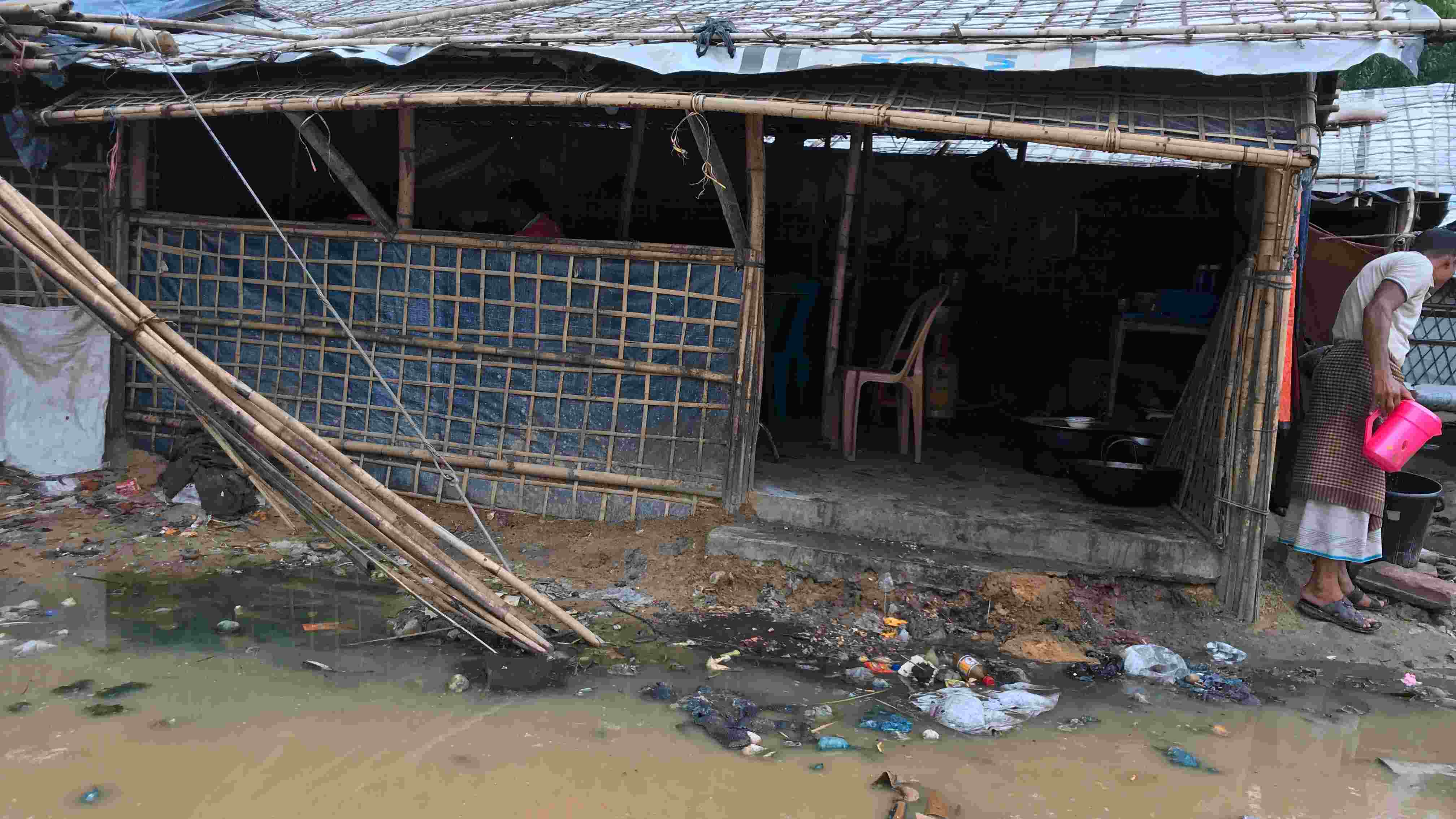
After the monsoon rains, it is not easy to walk through these Rohingya refugee camps without gumboots. With the slurry on the road, the fear of waterborne diseases looms large on the minds of the inhabitants.
The monsoon rain in the refugee camp has brought the dangers of waterborne diseases. Monsoons in Bangladesh last from June to October, so it is just beginning to get worse. Aid agencies warn that with the rains, there is the concern that diseases such as malaria, cholera and diphtheria are spreading rapidly.
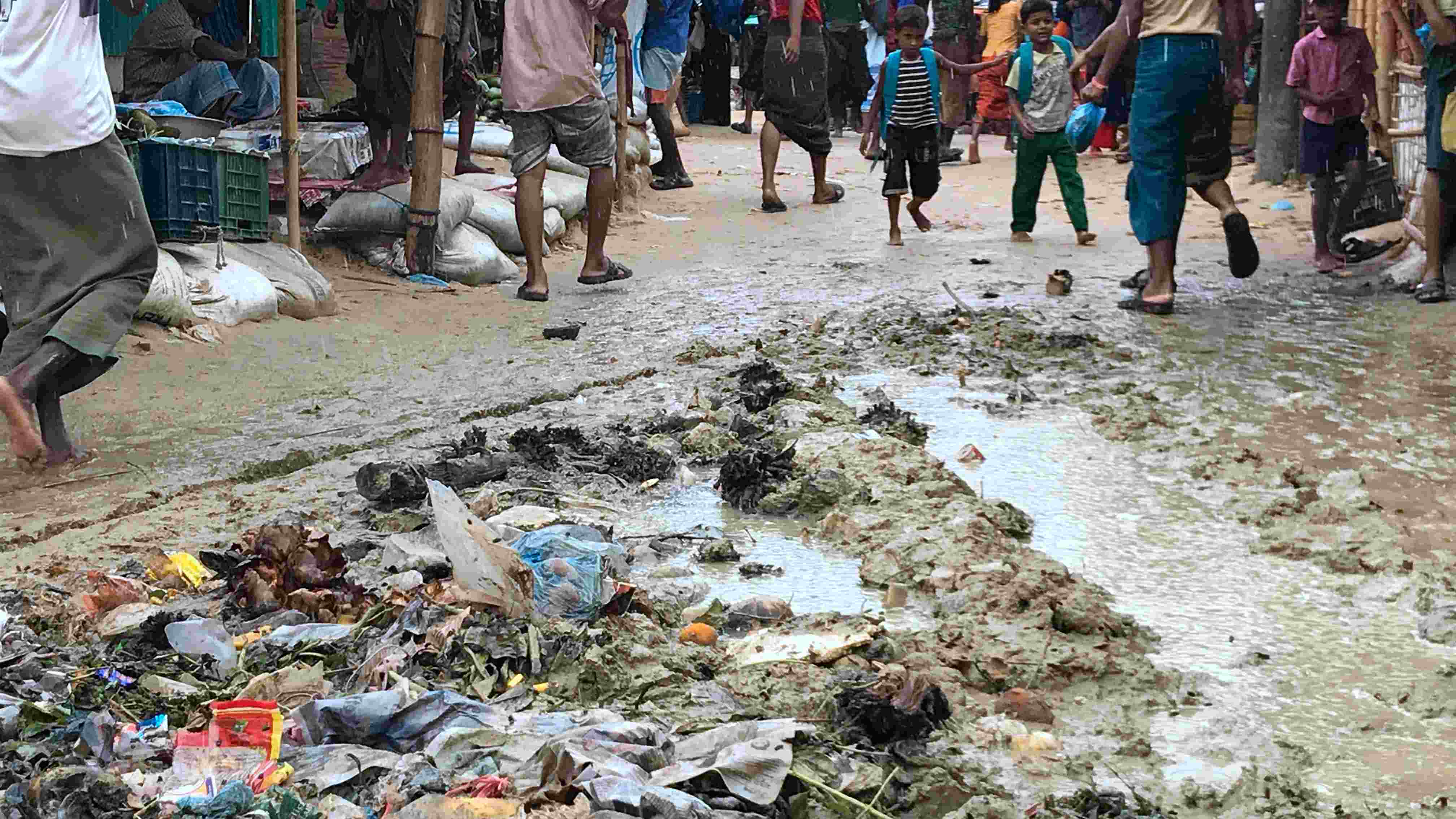
The monsoon rain in the refugee camp has brought the dangers of waterborne diseases. /CGTN Photo
The monsoon rain in the refugee camp has brought the dangers of waterborne diseases. /CGTN Photo
"We are strengthening our facilities and are working against the clock to provide the people with all necessary treatments especially for keeping the children safe," explained Beatriz Ochoa, the humanitarian advocacy manager from the NGO Save the children.
Primary health centers in Bangladesh's Rohingya refugee camps have been flooded with patients since the early morning. Two-thirds of those coming to the clinics are children, as they are more prone to infections.
Doctors have their hands full with a spike in severe diarrhea cases. A nurse at a local hospital who did not give us her name. She told us how six out of 10 patients visiting complain of diarrhea.
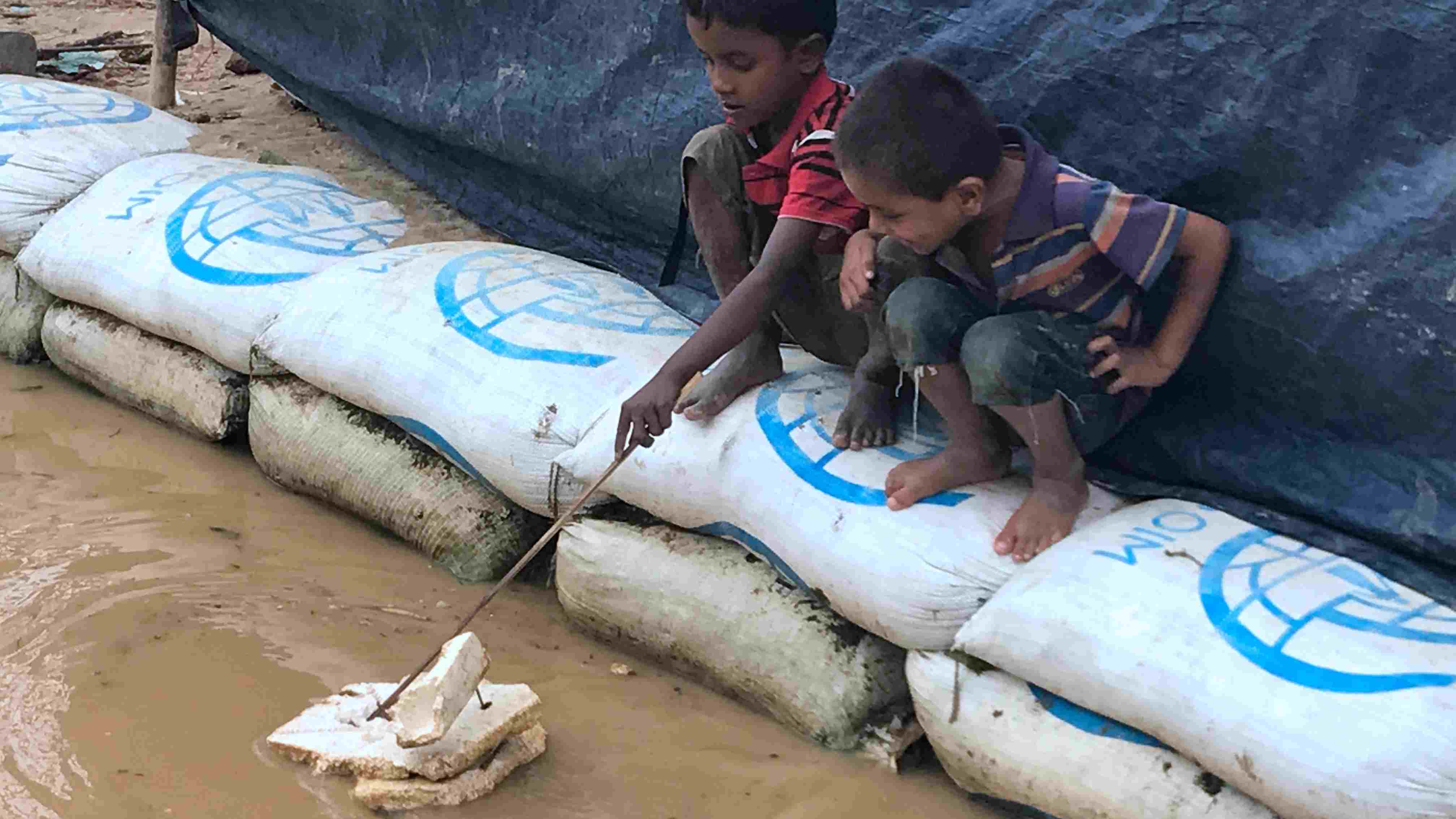
Children in Bangladesh's Rohingya refugee camps. /CGTN Photo
Children in Bangladesh's Rohingya refugee camps. /CGTN Photo
Laila Khatun, a grandmother in her seventies is worried about her grandchildren. "My house is next to this latrine which is full. We are scared of drinking the water from the tube well nearby as we don’t know if the water is contaminated. So we have stopped drinking this water," Khatun said. She is worried that she might lose a grandchild to any kind of infection.
Just 10 days ago, Hafsa Begum lost her three-year-old son Roib Ullah to a bacterial infection. When she heard that the son had suffered an infection after drinking water from the tube well, she had her family stop drinking from there.
"Now I feel scared about my children. I know it happened because of an infection spread through water. I cannot bear the pain of the loss but what can I do. Now I cover the drinking water as I don’t want my other children to suffer," she added.
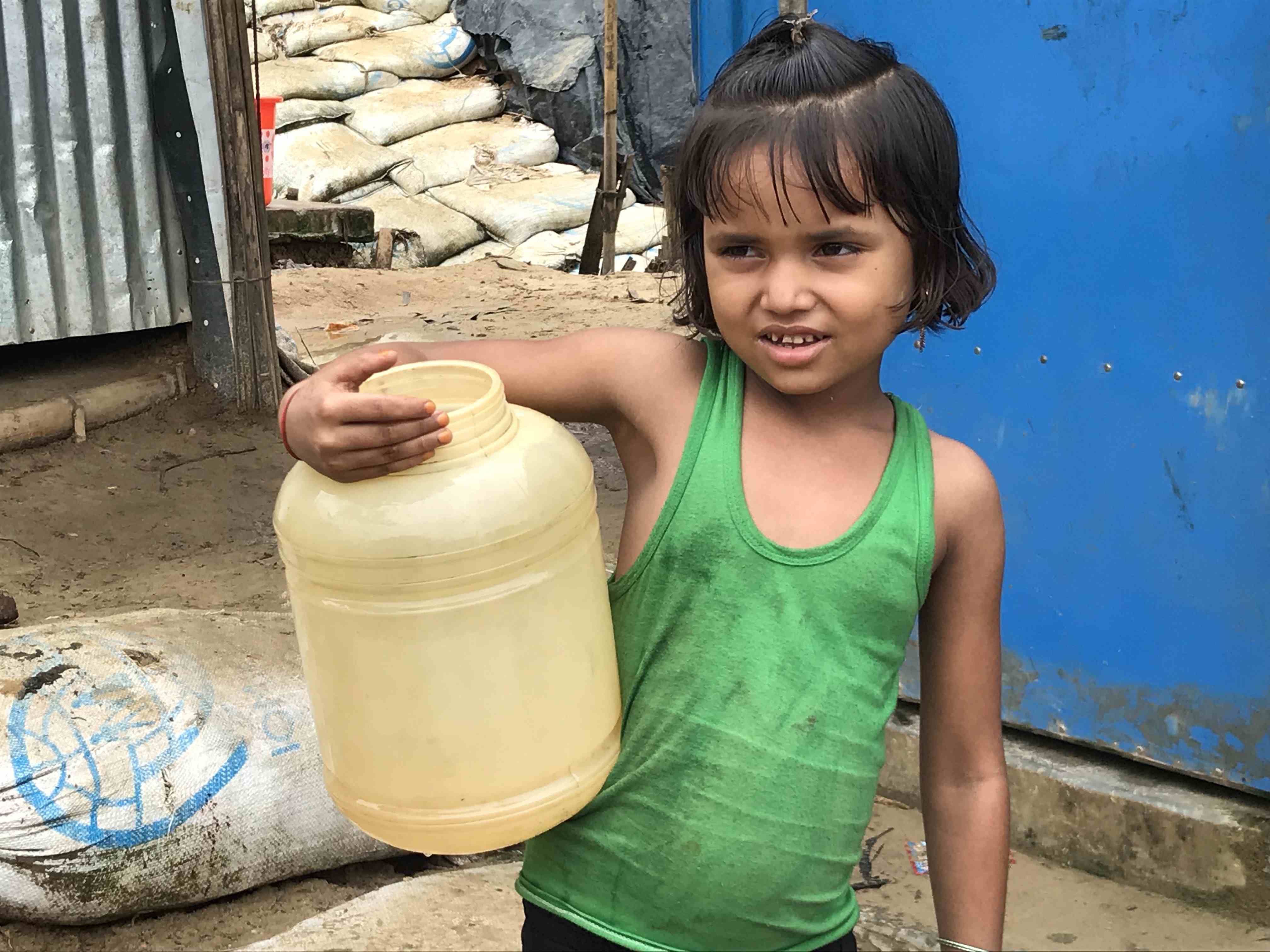
Children in Bangladesh's Rohingya refugee camps. /CGTN Photo
Children in Bangladesh's Rohingya refugee camps. /CGTN Photo
Poor sanitation in the camps is the main reason for the spread of diseases, especially among children. Many of the latrines which were built last year, when the Rohingya refugees fled a military crackdown in Myanmar, are overflowing.
Now with rains hitting the camps the fear of water contamination has increased manifold. Massive tasks lie ahead for aid agencies and authorities in the next few months, since more monsoons will create new challenges.